Introduction
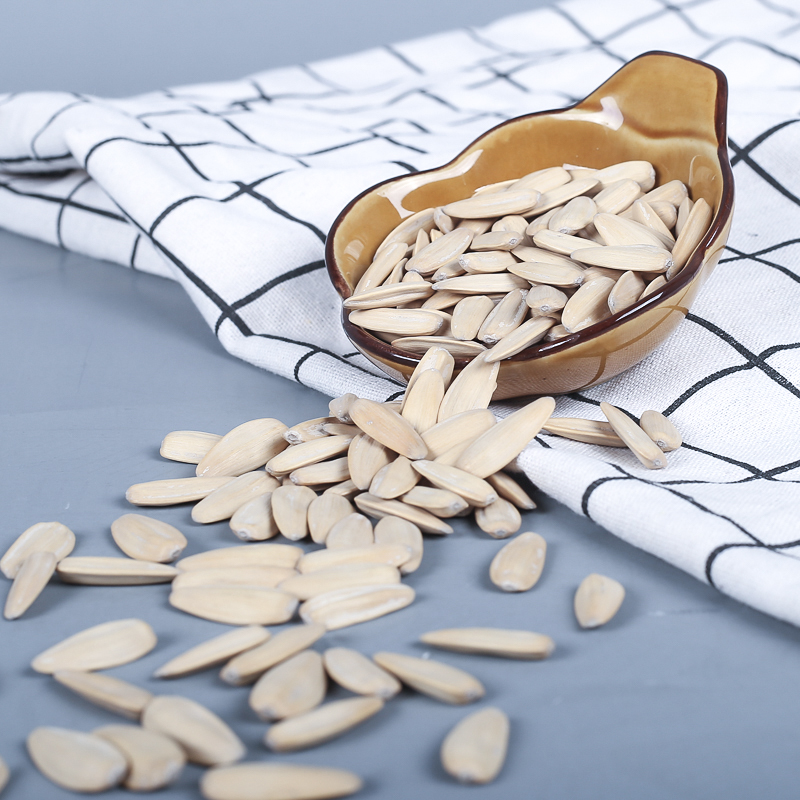
Mixed melon seeds, a staple snack food across numerous cultures, represent a complex agricultural product subject to stringent quality control and processing standards. Technically, they are the mature seeds harvested from various Cucurbitaceae family members – including watermelon, cantaloupe, honeydew, and pumpkin – and prepared for direct consumption. Their position within the food supply chain is post-harvest, requiring significant processing including cleaning, drying, roasting (or other preparation methods), and often flavoring. Core performance characteristics revolve around palatability (taste, texture, aroma), nutritional value (fat, protein, fiber content), safety (microbial load, absence of toxins), and shelf stability. Current industry challenges focus on optimizing processing methods to maximize nutritional retention, minimizing acrylamide formation during roasting, and ensuring traceability throughout the supply chain to address food safety concerns.
Material Science & Manufacturing
The primary material science considerations for mixed melon seeds center around their composition. Seeds are primarily composed of lipids (30-50% by weight, varying by species), proteins (20-30%), carbohydrates (10-20%), and moisture (5-15%). The lipid fraction is dominated by unsaturated fatty acids like linoleic acid, contributing to their nutritional value but also rendering them susceptible to oxidation and rancidity. Seed shell composition varies by species, consisting primarily of cellulose and lignin, offering a physical barrier to internal components. Manufacturing begins with seed extraction, followed by thorough cleaning to remove debris. Critical parameters in the drying stage – typically utilizing hot air ovens – include temperature (50-80°C) and duration. Insufficient drying leads to mold growth and aflatoxin contamination, while excessive drying degrades protein quality. Roasting, a common preparation method, involves controlled heat exposure (140-180°C) to develop flavor and crispness. Precise control of roasting temperature and time is vital to minimize acrylamide formation, a potential carcinogen. Flavoring, often employing salt, spices, and occasionally sugar, is applied post-roasting. Packaging utilizes materials designed to minimize oxygen and moisture permeability to maintain product quality.
Performance & Engineering
The performance of mixed melon seeds is largely defined by their physical and chemical stability under various environmental conditions. Moisture content is a crucial parameter influencing shelf life; maintaining below 8% is critical to inhibit microbial growth. Force analysis, particularly related to shell fracture during chewing, dictates textural perception. Hardness, measured using texture profile analysis (TPA), affects consumer acceptance. Environmental resistance focuses on oxidative stability of the lipid fraction. Exposure to oxygen, light, and elevated temperatures accelerates lipid peroxidation, leading to rancidity and off-flavors. Packaging materials offering low oxygen transmission rates (OTR) are therefore essential. Compliance requirements involve adherence to food safety regulations regarding mycotoxin levels (aflatoxins, ochratoxins), pesticide residues, and heavy metal contamination. Functional implementation considers the impact of processing on nutritional value. Roasting, while enhancing palatability, can reduce the bioavailability of certain vitamins and antioxidants. Therefore, optimized roasting parameters are sought to balance sensory attributes with nutritional integrity. Particle size distribution is another engineering consideration, influencing flowability during packaging and perceived texture.
Technical Specifications
| Parameter | Unit | Watermelon Seeds | Cantaloupe Seeds |
|---|---|---|---|
| Moisture Content | % (w/w) | ≤ 7.5 | ≤ 8.0 |
| Lipid Content | % (w/w) | 45-55 | 40-50 |
| Protein Content | % (w/w) | 25-35 | 28-38 |
| Aflatoxin B1 | ppb | ≤ 2 | ≤ 2 |
| Peroxide Value | meq O2/kg | ≤ 5.0 | ≤ 6.0 |
| Shell Hardness | N | 8-12 | 7-11 |
Failure Mode & Maintenance
Failure modes for mixed melon seeds primarily relate to quality degradation and safety concerns. Rancidity, caused by lipid oxidation, is a common failure, manifested as off-flavors and odors. This can be mitigated by using oxygen-barrier packaging and incorporating antioxidants. Microbial contamination, particularly mold growth resulting in aflatoxin production, is a critical safety failure. Proper drying and storage conditions are paramount for prevention. Physical damage during processing or handling (shell cracking, seed breakage) reduces aesthetic appeal and can accelerate oxidation. Packaging design must provide adequate protection against mechanical stress. Delamination or flaking of the seed coat can occur due to improper drying or excessive heat exposure during roasting. Maintenance, in this context, involves rigorous quality control measures at each stage of processing – from raw material sourcing to finished product storage. Regular monitoring of moisture content, aflatoxin levels, and peroxide value is essential. Implementing a Hazard Analysis and Critical Control Points (HACCP) system provides a structured framework for identifying and controlling potential hazards.
Industry FAQ
Q: What are the key differences in lipid profiles between watermelon and cantaloupe seeds, and how do these impact shelf life?
A: Watermelon seeds typically have a higher proportion of linoleic acid, an omega-6 fatty acid, compared to cantaloupe seeds. While both contribute to nutritional value, linoleic acid is more susceptible to oxidation. Consequently, watermelon seeds, if not properly stored, may exhibit shorter shelf lives and develop rancidity more quickly than cantaloupe seeds. Employing appropriate packaging (e.g., vacuum sealing with oxygen absorbers) and storage conditions (cool, dark, dry) are crucial for both, but particularly critical for watermelon seeds.
Q: How does roasting temperature affect acrylamide formation in melon seeds, and what mitigation strategies are employed?
A: Acrylamide formation is a complex chemical reaction that increases with higher roasting temperatures and longer roasting times. The Maillard reaction, responsible for flavor development, also contributes to acrylamide formation. Mitigation strategies include optimizing roasting parameters (reducing temperature and time while maintaining palatability), selecting seed varieties with lower acrylamide precursor levels (aspartame and reducing sugars), and potentially employing additives that inhibit acrylamide formation, although regulatory approval for such additives varies by region.
Q: What level of moisture content is considered acceptable for long-term storage, and how is this consistently achieved during the drying process?
A: A moisture content of 7% or less is generally considered acceptable for long-term storage of melon seeds to inhibit microbial growth and enzymatic activity. Achieving this consistently requires precise control of the drying process. This includes monitoring the initial moisture content of the seeds, optimizing air temperature and velocity within the drying oven, and regularly assessing moisture levels using calibrated moisture meters. Batch drying systems with controlled environments are preferred for consistent results.
Q: What analytical methods are used to determine the presence and concentration of aflatoxins in mixed melon seeds?
A: High-Performance Liquid Chromatography (HPLC) coupled with fluorescence detection is the most common and reliable method for determining aflatoxin concentrations. Prior to HPLC analysis, sample preparation typically involves extraction using a solvent system followed by cleanup using immunoaffinity columns to isolate aflatoxins. Enzyme-Linked Immunosorbent Assay (ELISA) is another method, offering faster turnaround times but potentially lower accuracy than HPLC. Both methods are validated against certified reference materials to ensure accuracy and traceability.
Q: What packaging materials are most effective at extending the shelf life of roasted and flavored melon seeds, and why?
A: Multi-layer packaging films incorporating a metalized layer (e.g., aluminum foil) and a polyethylene (PE) or polypropylene (PP) inner layer offer the most effective barrier properties. The metalized layer provides an excellent barrier to oxygen and light, preventing lipid oxidation and flavor degradation. The PE/PP layer provides moisture resistance and sealing capabilities. Vacuum packaging, in conjunction with these materials, further extends shelf life by removing residual oxygen. Modified Atmosphere Packaging (MAP), using nitrogen flushing, can also be employed to displace oxygen.
Conclusion
Mixed melon seeds, while seemingly simple, represent a sophisticated food product requiring careful attention to material science, manufacturing processes, and quality control. Achieving optimal product performance – encompassing safety, palatability, and nutritional value – demands precise control over critical parameters such as moisture content, roasting temperature, and packaging integrity. Failure to address these factors can lead to quality degradation, safety risks, and reduced shelf life.
Future developments in the industry will likely focus on optimizing roasting techniques to minimize acrylamide formation, exploring novel antioxidant formulations to enhance lipid stability, and implementing advanced traceability systems utilizing blockchain technology to ensure food safety and supply chain transparency. Continued research into seed genetics to identify varieties with improved nutritional profiles and resistance to fungal contamination will also be crucial.
