
Introduction
Melon seed pricing, particularly for industrial and agricultural applications, represents a critical component in agricultural economics and supply chain management. This technical guide details the factors influencing the price of melon seeds, encompassing seed quality, variety, agricultural practices, market dynamics, and post-harvest processing. Historically, melon seed pricing was primarily driven by localized demand and harvest yields. However, globalization, increased demand for plant-based protein, and the expansion of melon-based oil production have created a more complex and fluctuating pricing structure. This guide will provide a comprehensive overview of these price determinants, examining the interplay between biological characteristics, agronomic inputs, and macroeconomic forces. Understanding these elements is crucial for procurement managers, agricultural producers, and food processing companies operating within the melon seed market. The ultimate goal is to provide a technical foundation for informed decision-making regarding sourcing, storage, and risk mitigation.
Material Science & Manufacturing
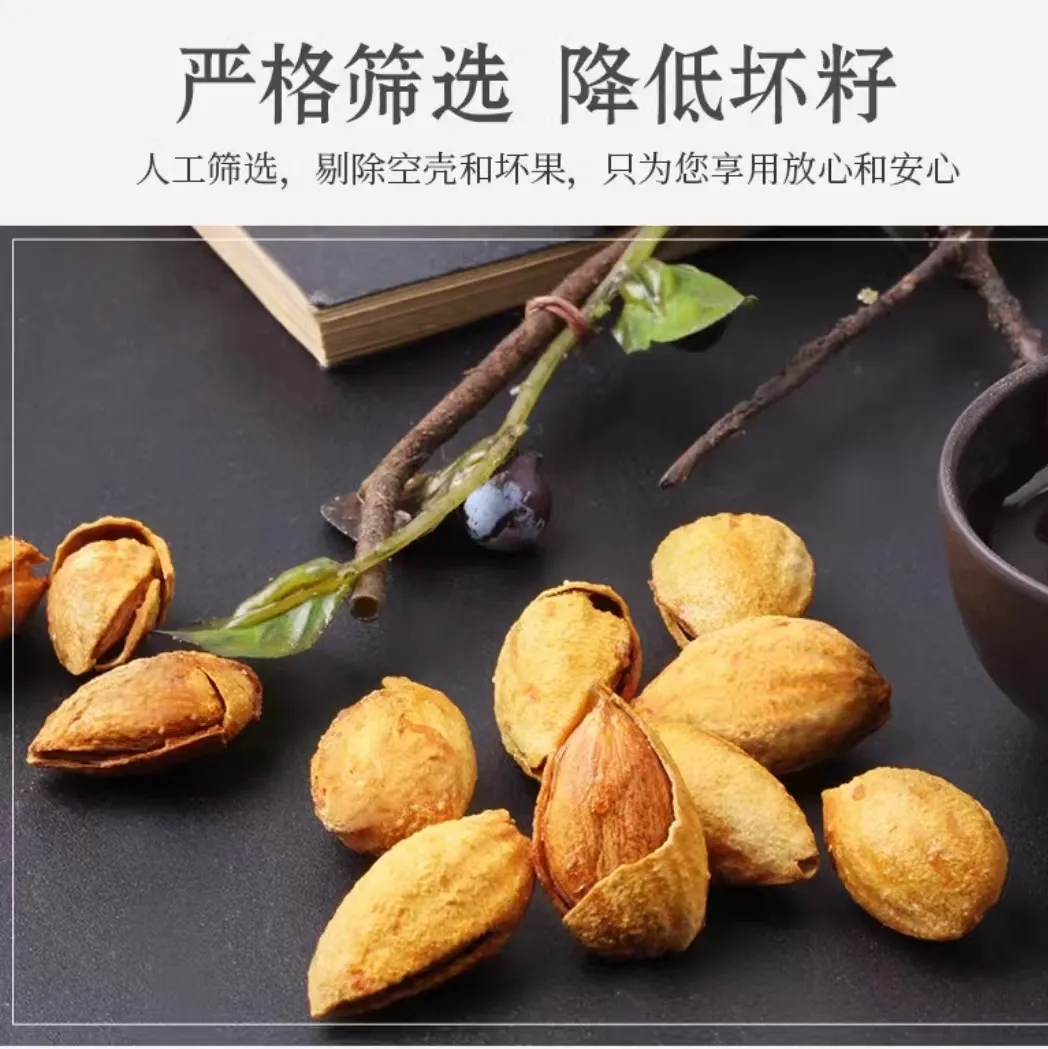
The core material constituting ‘price of melon seeds’ is the seed itself – a biological structure composed primarily of an embryo, endosperm (nutrient storage), and a seed coat (testa). The seed coat composition varies by melon variety, but generally consists of cellulose, hemicellulose, and lignin, providing physical protection. Embryo development relies heavily on lipid content, particularly unsaturated fatty acids, influencing oil yield and seed quality. Manufacturing, in this context, refers to the agricultural processes involved in seed production. Selection of high-yielding varieties is paramount. This is coupled with controlled pollination techniques (open or controlled hybridization) to maintain genetic purity and desirable traits. Harvesting timing is critical; premature harvesting yields immature seeds with low oil content, while delayed harvesting increases the risk of seed shattering and damage. Post-harvest processing includes drying, cleaning (removal of debris and inert matter), grading (based on size and weight), and storage. Drying is typically achieved through sun-drying or mechanical drying, with target moisture content usually below 8% to prevent fungal growth. Seed storage requires controlled temperature (below 15°C) and humidity (below 65%) to maintain viability and prevent lipid oxidation. Key parameters to control include seed moisture content, temperature during drying, cleaning efficiency, and storage conditions. Variations in these parameters directly impact seed quality and, consequently, price. The presence of mycotoxins, a potential contaminant during storage, also significantly impacts pricing due to safety regulations and quality control standards.
Performance & Engineering
The “performance” of melon seeds, as it relates to pricing, is intrinsically linked to their agronomic performance – germination rate, seedling vigor, and subsequent fruit yield. Germination rate, typically assessed under controlled laboratory conditions (temperature, moisture, light), is a critical quality indicator. Engineering aspects involve optimizing the seed’s physical properties for planting and handling. Seed size and shape influence planting uniformity and metering accuracy in mechanical planters. Seed coat hardness affects seed breakage during handling and planting. Environmental resistance, specifically tolerance to drought, salinity, and temperature extremes, is increasingly important due to climate change. Seed treatment with fungicides and insecticides enhances seedling survival and reduces pest damage. Compliance requirements involve adherence to seed certification standards (e.g., adherence to minimum germination rates, freedom from pathogens) established by regulatory bodies. Force analysis relates to the impact forces during handling and planting – minimizing seed damage requires understanding these forces and optimizing seed coat strength. Oil content, measured through solvent extraction methods (e.g., hexane extraction), is a primary determinant of price, particularly for seeds destined for oil production. The fatty acid profile, specifically the ratio of unsaturated to saturated fats, also influences price due to health and nutritional considerations. Regulatory compliance is paramount, particularly regarding pesticide residues and genetically modified organisms (GMOs) content.
Technical Specifications
| Seed Variety | Oil Content (%) | Germination Rate (%) | 1000-Seed Weight (g) |
|---|---|---|---|
| Crimson Sweet | 45-50 | 85-90 | 28-32 |
| Sugar Baby | 42-48 | 80-88 | 25-29 |
| Charleston Gray | 48-53 | 88-92 | 30-34 |
| Black Diamond | 46-51 | 82-87 | 27-31 |
| Jubilee | 43-49 | 83-89 | 26-30 |
| Yellow Doll | 40-46 | 78-85 | 24-28 |
Failure Mode & Maintenance
Failure modes affecting ‘price of melon seeds’ fall into several categories. Biological degradation, including fungal infections (e.g., Fusarium, Alternaria) and insect infestation (e.g., weevils), can significantly reduce viability and market value. This manifests as reduced germination rates and seed coat damage. Physical damage during harvesting, processing, and storage (cracking, chipping) also reduces quality. Lipid oxidation, triggered by exposure to oxygen, light, and heat, leads to rancidity and reduced oil quality. This is evident in altered seed color and odor. Maintenance, or rather preventative measures, are crucial. Proper drying and storage (low temperature, low humidity, airtight containers) minimize biological degradation and lipid oxidation. Implementing robust pest control strategies during pre- and post-harvest phases prevents insect infestation. Gentle handling during processing reduces physical damage. Regular seed testing (germination rate, moisture content, oil content, purity) allows for early detection of quality issues. The implementation of a First-In, First-Out (FIFO) inventory management system minimizes storage time and reduces the risk of degradation. Furthermore, preventative treatment with appropriate fungicides and insecticides can improve seed longevity. Failure analysis should include microscopic examination of seed coats to assess damage and identify fungal pathogens. Oil quality analysis (peroxide value, acid value) can quantify lipid oxidation.
Industry FAQ
Q: What is the impact of climate change on melon seed pricing?
A: Climate change introduces significant price volatility. Increased frequency of droughts, floods, and extreme temperatures reduces yields, driving up prices. Changes in growing seasons also affect seed quality and availability. Seed varieties with enhanced drought and heat tolerance are becoming more valuable, commanding a premium price. Increased input costs (water, fertilizer) associated with mitigating climate change impacts also contribute to higher seed prices.
Q: How does seed certification affect price?
A: Seed certification, ensuring adherence to quality standards (germination, purity, freedom from pathogens), adds a cost but justifies a higher price. Certified seeds offer greater reliability and reduced risk of crop failure, making them more attractive to farmers. Non-certified seeds typically trade at a lower price but carry a higher risk of poor performance.
Q: What role does the oil extraction industry play in melon seed pricing?
A: The demand from the oil extraction industry significantly influences pricing, particularly for varieties with high oil content. Increased demand for plant-based oils (driven by health concerns and sustainability trends) puts upward pressure on seed prices. The price of competing vegetable oils also impacts the demand and price of melon seed oil.
Q: What are the key logistical challenges impacting melon seed price?
A: Transportation costs, storage facilities, and efficient supply chain management are crucial. Delays in transportation, inadequate storage conditions (leading to degradation), and disruptions in the supply chain can all increase costs and affect seed prices. The geographical distance between production areas and processing facilities also plays a significant role.
Q: How does genetic modification (GM) influence the price of melon seeds?
A: GM seeds, while potentially offering higher yields or pest resistance, often face regulatory hurdles and consumer resistance in certain markets, which can impact price. The cost of developing and obtaining regulatory approval for GM seeds is substantial. Markets with strict GM labeling requirements may exhibit price differentials between GM and non-GM seeds.
Conclusion
The price of melon seeds is a complex interplay of biological, agronomic, and economic factors. Understanding the nuances of seed quality, manufacturing processes, and market dynamics is essential for informed decision-making. The technical specifications outlined in this guide provide a framework for evaluating seed quality and predicting performance. Maintaining seed integrity through proper storage and handling is crucial to mitigating failure modes and preserving value.
Future trends, including increasing demand for sustainable agricultural practices, climate change adaptation, and the development of novel seed technologies, will continue to shape the melon seed market. Proactive risk management, investment in research and development, and adherence to international quality standards will be paramount for ensuring a stable and profitable supply chain.
