Introduction
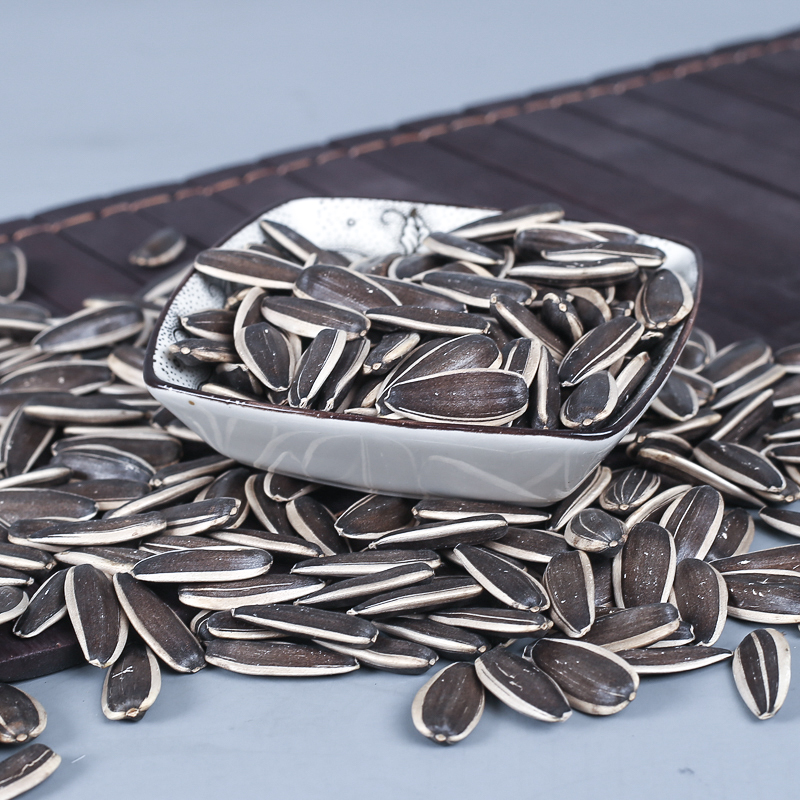
Melon seeds, specifically those sold at a price of 1kg, represent a significant commodity within the agricultural and food processing sectors. This technical guide will explore the intricacies of melon seed quality, encompassing botanical aspects, processing methodologies, nutritional composition, and factors influencing market pricing. Melon seeds, typically derived from Cucumis melo varieties, are not merely a byproduct of melon consumption but a valued product in their own right, utilized for edible purposes (roasted seeds) and oil extraction. The industry faces challenges related to consistent seed quality, efficient dehulling techniques, and preservation of oil stability. Understanding these elements is crucial for optimizing the value chain, from farm to consumer. This guide aims to provide a comprehensive technical overview for procurement managers, food scientists, and agricultural engineers involved in the melon seed trade.
Material Science & Manufacturing
The raw material, melon seeds, exhibit a complex structure comprising a seed coat (testa), an embryo, and endosperm. The testa's composition primarily consists of cellulose, hemicellulose, and lignin, providing a protective barrier. The embryo contains essential fatty acids, proteins, and carbohydrates. Manufacturing begins with seed collection, typically following melon harvest. Crucially, seed maturity directly influences oil content and seed size. Post-harvest processing involves cleaning (removal of pulp and debris), drying (reducing moisture content to below 8% to inhibit microbial growth), dehulling (removing the hard outer shell), and grading. Dehulling efficiency is paramount; mechanical dehullers employing abrasion or impact are common. Seed quality is affected by the cultivar, growing conditions (soil composition, irrigation, sunlight exposure), and harvesting methods. Oil extraction, typically performed through mechanical pressing or solvent extraction (hexane), requires precise control of temperature and pressure to maximize yield and preserve oil quality. The resulting oil's fatty acid profile (oleic, linoleic, palmitic acids) is a critical parameter, determined by genetic factors and environmental influence. Key parameter control includes monitoring moisture content during drying (using gravimetric analysis), optimizing dehulling pressure to minimize kernel damage, and controlling solvent residue levels during oil extraction (gas chromatography).
Performance & Engineering
The performance of melon seeds, particularly concerning their suitability for roasting and oil extraction, is governed by their physical and mechanical properties. Shear force analysis is used to determine the force required to fracture the seed, indicating dehulling difficulty. Kernel hardness, measured using compression testing, influences oil yield. Moisture content impacts shelf life and susceptibility to rancidity. The oil’s oxidative stability, a critical parameter, is assessed via the Rancimat method, measuring induction time. Engineering considerations involve optimizing dehulling machine design to minimize seed breakage and maximize throughput. Furthermore, storage conditions significantly affect seed quality. Controlled atmosphere storage (low temperature, reduced oxygen levels) extends shelf life by inhibiting lipid oxidation. Packaging materials must provide a barrier against moisture and oxygen. Compliance requirements include adherence to food safety standards (HACCP), limits on pesticide residues (as specified by FAO/WHO), and regulations concerning solvent residue levels in extracted oil (as defined by national food authorities). Force analysis of the dehulling process involves understanding the stresses imposed on the seed coat, requiring finite element analysis (FEA) to optimize machine parameters.
Technical Specifications
| Parameter | Unit | Typical Value (Roasted Seeds) | Typical Value (Oil) |
|---|---|---|---|
| Moisture Content | % | < 5 | < 0.1 |
| Oil Content | % | 40-50 | 45-60 |
| Protein Content | % | 25-35 | - |
| Ash Content | % | 3-5 | - |
| Acid Value | mg KOH/g | < 1.0 | < 0.3 |
| Peroxide Value | meq O2/kg | < 5.0 | < 2.0 |
Failure Mode & Maintenance
Failure modes in melon seeds can be categorized into physical damage, biochemical degradation, and microbial contamination. Physical damage includes seed cracking during dehulling, resulting in reduced oil yield and quality. Biochemical degradation primarily involves lipid oxidation, leading to rancidity and off-flavors. This is accelerated by exposure to oxygen, light, and heat. Microbial contamination (molds, bacteria) can occur during storage, especially in humid conditions, producing mycotoxins. Failure analysis reveals that improper drying leads to high moisture content, promoting microbial growth and accelerating oxidation. Inefficient dehulling causes excessive seed breakage. Poor storage conditions (high temperature, humidity) exacerbate degradation. Maintenance strategies include regular cleaning and inspection of dehulling machinery to prevent damage, controlled atmosphere storage with humidity and temperature control, and the use of appropriate packaging materials (oxygen barrier films). Periodic testing for moisture content, peroxide value, and microbial load is essential for quality control. Preventative maintenance on oil extraction equipment, including solvent recovery systems, is crucial for safety and efficiency.
Industry FAQ
Q: What factors significantly impact the price fluctuation of melon seeds per kilogram?
A: Price fluctuations are primarily driven by crop yield (influenced by weather conditions and disease outbreaks), global demand (particularly from oil-producing regions), and transportation costs. Seed size and quality (oil content, purity) also contribute significantly. Political instability in major growing regions can disrupt supply chains and inflate prices.
Q: How does the dehulling process affect the oil yield and quality of melon seeds?
A: Inefficient dehulling leads to seed breakage, reducing the overall yield of intact kernels suitable for oil extraction. Excessive abrasion during dehulling can generate heat, denaturing proteins and potentially degrading oil quality. Optimizing dehulling pressure and employing proper cooling mechanisms are vital.
Q: What are the key parameters to monitor during storage to prevent spoilage and maintain quality?
A: Crucial parameters include moisture content (keep below 8%), temperature (store below 25°C), and oxygen exposure (minimize using airtight packaging). Regular monitoring of peroxide value and acid value can indicate the onset of lipid oxidation.
Q: What are the implications of different solvent extraction methods on the final oil quality?
A: Hexane is the most common solvent, but residual hexane levels must be carefully controlled to meet food safety regulations. Supercritical CO2 extraction offers a greener alternative with higher purity, but it is more expensive. The extraction temperature and pressure also affect oil quality, influencing the preservation of bioactive compounds.
Q: What international standards govern the quality and safety of melon seeds for human consumption?
A: Relevant standards include FAO/WHO guidelines on pesticide residues, Codex Alimentarius standards for food contaminants, and national regulations concerning mycotoxin levels. ISO 22000 provides a framework for food safety management systems. Specific oil quality parameters are often defined by national pharmacopoeias and food chemical codexes.
Conclusion
Melon seeds priced at 1kg represent a multifaceted commodity with significant technical considerations throughout the value chain. Maintaining optimal seed quality hinges on meticulous attention to detail during harvesting, processing, and storage. Understanding the material science underpinning seed structure and the engineering principles governing dehulling and oil extraction is paramount for maximizing efficiency and minimizing losses.
Future advancements will likely focus on developing more sustainable and efficient dehulling technologies, optimizing storage conditions to extend shelf life, and enhancing oil extraction methods to preserve bioactive compounds. Implementing robust quality control measures, adhering to international standards, and addressing potential failure modes are essential for ensuring the consistent supply of high-quality melon seeds to meet growing global demand.
