Introduction
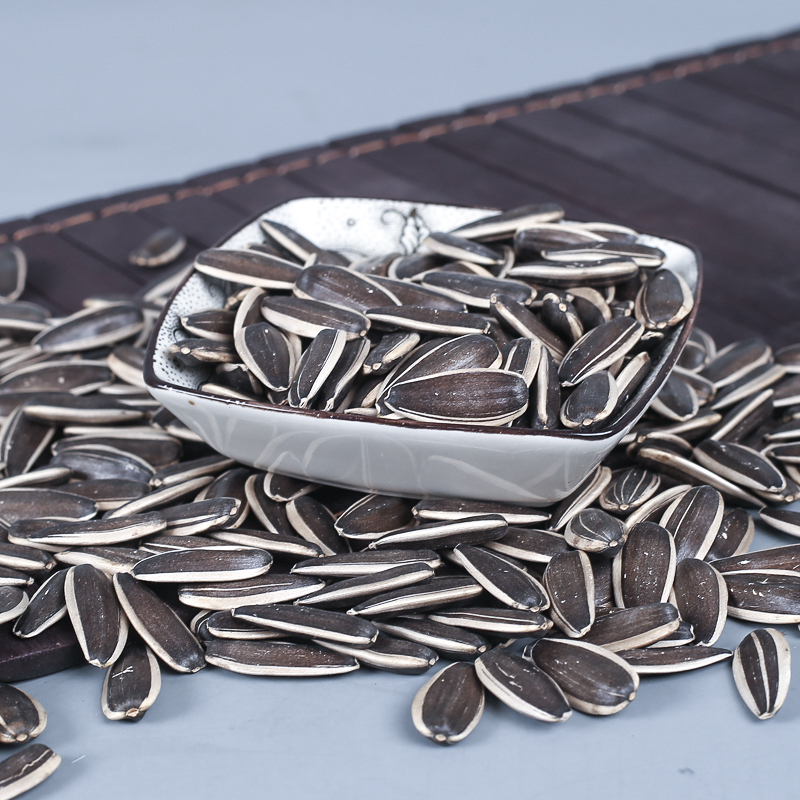
Melon seeds represent a diverse category of agricultural products derived from various Cucurbitaceae family members, including watermelons ( Citrullus lanatus), cantaloupes ( Cucumis melo), and honeydews ( Cucumis melo). These seeds serve multiple purposes, ranging from direct human consumption as a snack food, to use in traditional medicine, and as a source of oil. Their industrial position lies within the agricultural processing sector, specifically post-harvest handling and value-added food production. Core performance characteristics influencing market acceptance include seed size, oil content, protein composition, germination rate (for propagation purposes, though less common for commercially sold snack seeds), and freedom from contaminants. The rising demand for plant-based protein and healthy snacks has increased the focus on optimizing melon seed varieties and processing techniques. Addressing concerns regarding aflatoxin contamination and ensuring consistent seed quality are significant industry pain points.
Material Science & Manufacturing
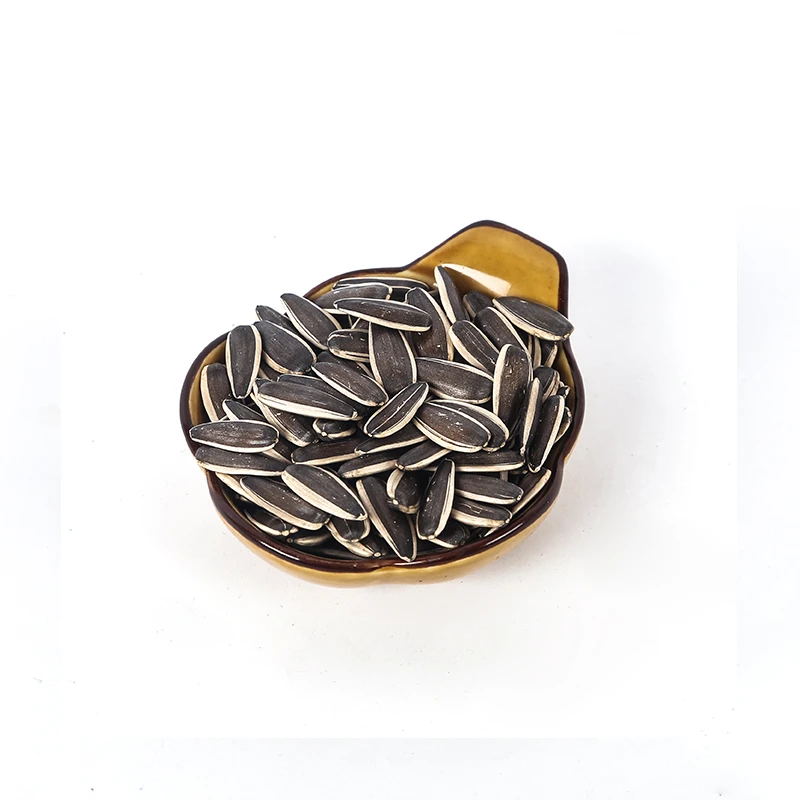
The primary constituent of melon seeds is the endosperm, rich in lipids (30-50% by weight, depending on the variety) primarily composed of unsaturated fatty acids like linoleic acid and oleic acid. The seed coat, composed of cellulose and lignin, provides physical protection and contributes to the seed's structural integrity. Protein content ranges from 20-30%, consisting of various globulins and albumins. Moisture content, crucial for shelf life, is ideally maintained below 8%. Manufacturing typically involves several stages. Harvesting initiates the process, followed by drying – often sun-drying or using controlled-temperature drying ovens to reduce moisture content. Cleaning removes debris and damaged seeds. Grading separates seeds by size and quality. Roasting, often employing hot air or drum roasters, enhances flavor and texture. Key parameter control during roasting involves precise temperature regulation (typically 120-150°C) and time monitoring (10-20 minutes) to prevent scorching and lipid oxidation. Flavoring, using salt, spices, or coatings, is applied post-roasting. Finally, packaging in moisture-barrier materials (e.g., metallized films) is crucial for maintaining product quality. Seed coat integrity impacts oil release during processing; brittle coats increase oil loss. The presence of phenolic compounds in the seed coat contributes to antioxidant properties but can also influence flavor.
Performance & Engineering
Melon seed performance is governed by several engineering principles. The shell's fracture toughness dictates its resistance to cracking during processing and handling. A higher fracture toughness minimizes seed damage and ensures consistent roasting. Thermal conductivity affects roasting efficiency; seeds with lower thermal conductivity require longer roasting times. Moisture sorption isotherms determine the seed's susceptibility to humidity, influencing shelf life and textural changes. The oil’s viscosity and oxidative stability are critical for maintaining flavor and preventing rancidity. Force analysis during shelling (manual or mechanical) highlights the optimal force required for efficient seed removal without damaging the kernel. Environmental resistance considerations include protection from pests during storage and the impact of temperature fluctuations on lipid oxidation rates. Compliance requirements, particularly in food safety, mandate adherence to regulations regarding aflatoxin levels, pesticide residues, and heavy metal content. Functional implementation focuses on optimizing roasting profiles to achieve desired flavor characteristics and textural qualities, balancing Maillard reaction products with minimal lipid degradation. The engineering of packaging materials plays a vital role in protecting the seeds from moisture, oxygen, and light, thus extending their shelf life.
Technical Specifications
| Seed Variety | Oil Content (%) | Protein Content (%) | Moisture Content (%) |
|---|---|---|---|
| Watermelon (Black Seed) | 45-50 | 25-30 | <8 |
| Cantaloupe (Green Seed) | 35-40 | 22-27 | <8 |
| Honeydew (White Seed) | 40-45 | 24-29 | <8 |
| Crimson Sweet Watermelon | 48-52 | 26-31 | <7 |
| Galía Melon | 38-42 | 23-28 | <7.5 |
| Sugar Baby Watermelon | 46-50 | 25-30 | <8 |
Failure Mode & Maintenance
Melon seed failure modes are diverse. Lipid oxidation, leading to rancidity, is a primary concern, accelerated by exposure to oxygen, light, and high temperatures. Aflatoxin contamination, caused by Aspergillus fungi, poses a significant health risk. Physical damage during handling and processing (cracking, chipping) reduces market value. Moisture absorption leads to textural changes (softening) and promotes microbial growth. Insect infestation during storage causes product loss. Maintenance strategies include proper storage in cool, dry, and dark conditions. Employing airtight packaging with oxygen absorbers minimizes oxidation. Regular aflatoxin testing is crucial, and seeds exceeding permissible levels must be rejected. Implementing strict hygiene protocols during processing prevents contamination. Controlling temperature and humidity during drying and storage mitigates moisture-related issues. Pest control measures, including fumigation or the use of insecticidal packaging, are essential for long-term storage. Proper stock rotation (FIFO - First In, First Out) ensures older stock is used before newer stock, minimizing the risk of degradation. Visual inspection for damage and signs of infestation should be conducted regularly.
Industry FAQ
Q: What are the critical control points for preventing aflatoxin contamination in melon seeds?
A: Critical control points include pre-harvest monitoring of fields for fungal infection, proper harvesting techniques to avoid damage, rapid and thorough drying to reduce moisture content, effective cleaning and sorting to remove contaminated seeds, and appropriate storage conditions (low humidity and temperature). Regular testing throughout the process is also vital.
Q: How does the roasting process impact the nutritional profile of melon seeds?
A: Roasting enhances flavor and texture but can also lead to some nutrient loss. Heat-sensitive vitamins (e.g., Vitamin E) may degrade, while proteins can undergo some denaturation. However, roasting also improves the bioavailability of certain nutrients and creates beneficial antioxidant compounds through the Maillard reaction. The degree of impact depends on the roasting temperature and duration.
Q: What packaging materials are recommended for extending the shelf life of roasted and seasoned melon seeds?
A: Multi-layer films incorporating a metallized layer (e.g., aluminum foil) provide excellent barrier properties against oxygen, moisture, and light. High-density polyethylene (HDPE) or polypropylene (PP) are commonly used for structural support. The use of modified atmosphere packaging (MAP) with nitrogen flushing can further extend shelf life by reducing oxygen levels.
Q: What is the significance of seed size and uniformity in processing and consumer acceptance?
A: Uniform seed size ensures consistent roasting and flavoring. Smaller seeds are generally preferred by consumers for snacking due to their ease of consumption. Size also impacts shelling efficiency and the overall appearance of the finished product. Significant size variation can lead to uneven processing and potentially lower product quality.
Q: What are the key differences in oil composition between watermelon and cantaloupe seeds?
A: Watermelon seeds generally have a higher proportion of linoleic acid (an omega-6 fatty acid), while cantaloupe seeds tend to have a slightly higher proportion of oleic acid (an omega-9 fatty acid). The overall lipid profile impacts the oil’s stability, flavor, and nutritional value. Watermelon seed oil is often preferred for culinary applications due to its milder flavor.
Conclusion
Melon seeds represent a versatile agricultural commodity with increasing industrial significance. Understanding the interplay between their material science, manufacturing processes, and performance characteristics is critical for optimizing quality, safety, and shelf life. Addressing the challenges of aflatoxin contamination and lipid oxidation through robust control measures and appropriate packaging solutions is paramount. The continued development of improved processing techniques and novel seed varieties will further enhance the value of this underutilized resource.
Future research should focus on exploring advanced drying technologies to minimize nutrient loss, investigating natural antioxidants to enhance lipid stability, and developing more effective methods for aflatoxin detection and control. The potential of utilizing melon seed oil as a sustainable alternative in various industrial applications, beyond traditional food uses, warrants further investigation. Ultimately, a holistic approach encompassing agricultural practices, processing technologies, and packaging innovations is essential for realizing the full potential of melon seeds.
