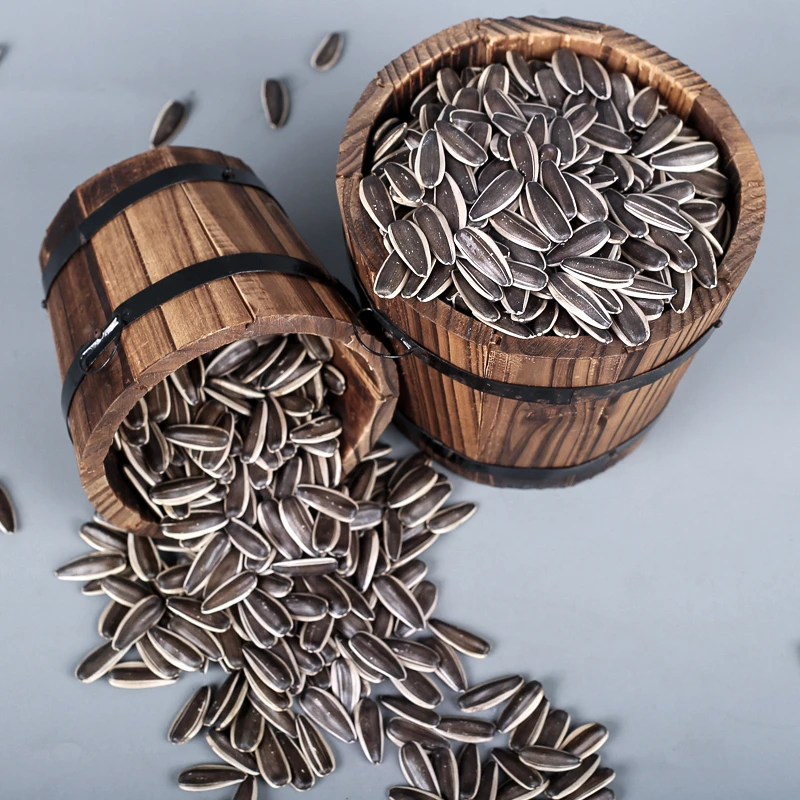
Introduction
Melon seeds, derived from various Cucumis and Citrullus species, represent a significant agricultural commodity and food source globally. This technical guide details the material science, manufacturing processes, performance characteristics, failure modes, and maintenance considerations associated with melon seeds, focusing on their industrial applications in food processing, oil extraction, and emerging bio-material fields. While traditionally consumed as a snack food, the increasing demand for plant-based proteins and oils necessitates a rigorous understanding of their composition and behavior. This document serves as a comprehensive resource for procurement managers, process engineers, and quality control personnel involved in the handling and processing of melon seeds, outlining crucial aspects from seed varietal characteristics to long-term storage stability. The core performance attributes—oil content, protein profile, and hull strength—are central to evaluating their suitability for diverse industrial processes.
Material Science & Manufacturing
Melon seeds are comprised of three primary components: the kernel (cotyledon), the seed coat (testa), and the hull. The kernel constitutes approximately 60-70% of the seed’s weight and is rich in lipids (30-50% oil content, primarily linoleic and oleic acids), proteins (25-35%), and carbohydrates. The seed coat, a protective layer, is primarily cellulose and lignin, imparting structural integrity. The hull, often removed during processing, is a fibrous outer layer. Raw material variability is significant, dictated by melon variety, growing conditions (soil composition, climate, irrigation), and harvesting techniques. Manufacturing commences with harvesting, typically mechanical, followed by drying to reduce moisture content to 8-10% for extended storage. De-hulling is a critical step, often employing mechanical abrasion or enzymatic methods. The efficiency of de-hulling significantly impacts the purity of the kernel and subsequent oil extraction yields. Oil extraction is commonly achieved through mechanical pressing (cold pressing yielding higher quality oil, but lower yield) or solvent extraction (using hexane, offering higher yield but requiring stringent solvent removal protocols). Kernel processing for protein isolation involves grinding, followed by solvent fractionation or enzymatic hydrolysis. Parameter control during drying (temperature, humidity, airflow) is crucial to prevent lipid oxidation and protein denaturation. De-hulling pressure and speed must be optimized to minimize kernel damage.

Performance & Engineering
The performance of melon seeds in industrial applications is directly linked to their physical and chemical properties. Hull strength, measured via compression testing, determines the efficiency of de-hulling operations and impacts kernel breakage rates. Oil extraction efficiency is governed by oil body size and distribution within the kernel, influenced by seed maturity and processing conditions. The stability of the extracted oil, assessed by peroxide value and acid value, dictates its suitability for food and industrial applications (e.g., biodiesel production). Protein functionality (emulsification, foaming, water-holding capacity) is critical for formulating plant-based food products. Environmental resistance considerations include susceptibility to fungal growth during storage (requiring controlled humidity and temperature) and lipid oxidation during processing (necessitating antioxidant additives or nitrogen blanketing). Compliance requirements involve adhering to food safety regulations (e.g., HACCP, GMP) and solvent residue limits (if solvent extraction is employed). Force analysis during de-hulling requires understanding the fracture mechanics of the seed coat and hull. Maintaining optimal moisture content is paramount to prevent cracking or chipping during processing. The heat transfer characteristics during drying are crucial to avoid localized overheating and quality degradation.
Technical Specifications
| Parameter | Unit | Typical Value (Watermelon Seed) | Typical Value (Cantaloupe Seed) |
|---|---|---|---|
| Moisture Content | % | 8-10 | 7-9 |
| Oil Content (Dry Basis) | % | 45-55 | 35-45 |
| Protein Content (Dry Basis) | % | 28-35 | 30-40 |
| Hull Strength (Compression) | N | 150-250 | 100-200 |
| Kernel Hardness | N | 80-120 | 60-100 |
| Linoleic Acid Content (of total oil) | % | 50-60 | 55-65 |
Failure Mode & Maintenance
Failure modes in melon seed processing can be categorized as physical damage, chemical degradation, and biological contamination. Physical damage includes kernel cracking during de-hulling (caused by excessive pressure or impact) and hull fragmentation leading to increased impurity levels. Chemical degradation primarily concerns lipid oxidation, resulting in rancidity and reduced oil quality, accelerated by exposure to oxygen, light, and elevated temperatures. Protein denaturation can occur during improper drying or solvent extraction. Biological contamination, notably fungal growth (e.g., Aspergillus) during storage, produces mycotoxins posing a significant food safety hazard. Maintenance strategies involve regular cleaning and sanitation of processing equipment to prevent microbial proliferation. Implementing proper drying protocols (low temperature, adequate ventilation) minimizes lipid oxidation and protein denaturation. Employing nitrogen blanketing during oil storage and packaging reduces oxygen exposure. Storing seeds in airtight containers at low temperatures (below 10°C) inhibits fungal growth. Periodic monitoring of peroxide value, acid value, and mycotoxin levels ensures product quality and safety. Preventative maintenance of de-hulling machinery (lubrication, wear part replacement) minimizes kernel damage. Regular inspection for insect infestation is crucial during storage.
Industry FAQ
Q: What is the impact of seed variety on oil yield and quality?
A: Seed variety significantly influences oil yield and fatty acid profile. Varieties bred for higher oil content generally exhibit improved yields. The ratio of linoleic to oleic acid is genetically determined and impacts oil stability and nutritional value. Sourcing seeds from reputable suppliers who provide varietal information is crucial for consistent quality.
Q: How can lipid oxidation be effectively minimized during storage?
A: Minimizing lipid oxidation requires controlling oxygen exposure, temperature, and light. Storage in airtight, opaque containers at low temperatures (below 10°C) is paramount. Adding natural antioxidants (e.g., tocopherols) to the seeds or oil can further inhibit oxidation. Nitrogen blanketing during storage reduces oxygen levels.
Q: What are the key considerations for solvent extraction versus mechanical pressing?
A: Solvent extraction (typically using hexane) offers higher oil yields but requires stringent solvent removal to meet regulatory limits. Mechanical pressing (cold pressing) yields lower oil content but produces a higher quality oil with superior flavor and aroma. The choice depends on desired oil quality and cost-effectiveness.
Q: How do you assess the effectiveness of the de-hulling process?
A: The effectiveness of de-hulling is evaluated by measuring the percentage of kernels remaining in the hull and the percentage of damaged kernels. Visual inspection, along with particle size analysis of the de-hulled material, provides valuable insights. Maintaining optimal de-hulling parameters (pressure, speed) is critical.
Q: What are the critical food safety concerns associated with melon seed processing?
A: The primary food safety concern is mycotoxin contamination, particularly from Aspergillus species. Implementing robust sanitation protocols, controlling moisture content during storage, and regular testing for mycotoxins are essential. Adherence to HACCP principles and GMP practices is crucial.
Conclusion
Melon seed processing represents a complex interplay of material science, engineering principles, and quality control measures. Understanding the inherent variability in raw material characteristics, optimizing processing parameters, and implementing robust preventative maintenance strategies are essential for maximizing product yield and ensuring consistent quality. The increasing demand for plant-based proteins and oils necessitates a continued focus on research and development to enhance processing efficiency and unlock the full potential of this valuable agricultural resource.
Future advancements in melon seed processing will likely focus on enzymatic de-hulling techniques to minimize kernel damage, improved solvent recovery systems to enhance sustainability, and novel extraction methods to optimize oil and protein recovery. Furthermore, exploring the utilization of seed hulls as a source of dietary fiber or bio-composites presents an opportunity to minimize waste and create value-added products. Continued adherence to international standards and rigorous quality control will remain paramount to ensuring the safety and reliability of melon seed-derived products.
