Introduction
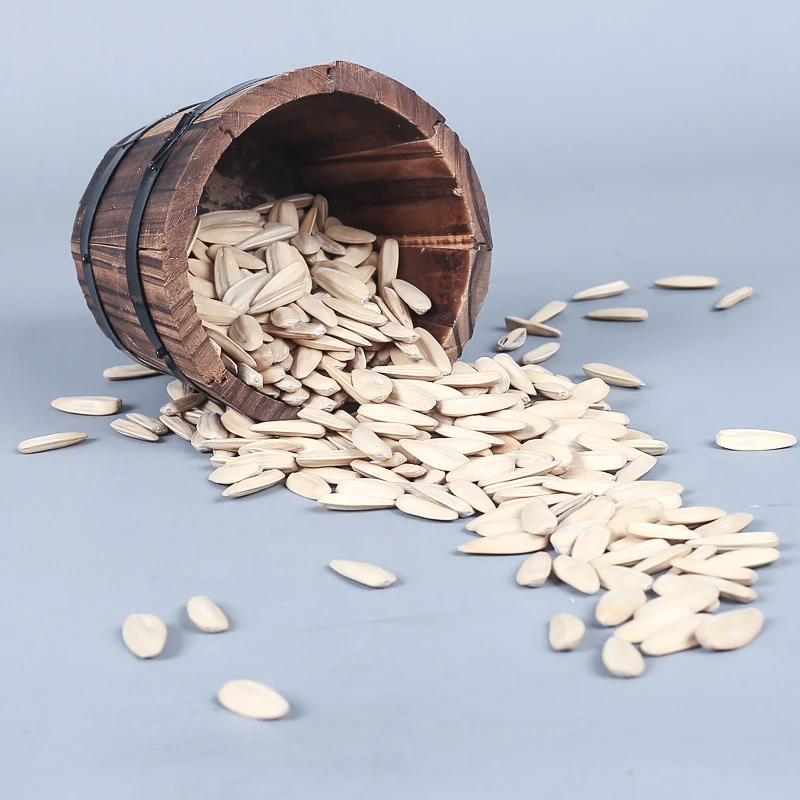
Melon seeds in sweets represent a confectionery product category deeply rooted in traditional Asian cuisine, specifically prevalent in China, India, and Southeast Asia. These sweets typically involve melon seeds (Cucumis melo var. melo) candied, glazed, or incorporated within a matrix of sugar, syrups, and occasionally, flavoring agents. The technical position of these sweets lies at the intersection of agricultural processing, sugar technology, and confectionery engineering. Core performance characteristics are dictated by seed quality (size, integrity, oil content), the sugar crystallization process (controlling texture and shelf-life), and the adherence to food safety standards. The industry faces challenges concerning seed sourcing consistency, maintaining textural integrity during processing and storage, and addressing consumer demand for reduced sugar content while preserving palatability. This guide will comprehensively detail the material science, manufacturing processes, performance analysis, failure modes, and regulatory considerations pertaining to melon seeds in sweets.
Material Science & Manufacturing
The primary raw material, melon seeds, comprises approximately 40-50% oil, primarily linoleic acid, along with 20-25% protein and significant amounts of carbohydrates and moisture. Seed variety influences oil composition and subsequent flavor profile. Manufacturing begins with seed selection – mature, undamaged seeds are crucial. Cleaning removes debris and foreign matter. A critical step is the dehulling process, often mechanical, requiring precise calibration to minimize seed breakage. Following dehulling, seeds undergo a blanching stage, typically utilizing hot water or steam, to remove the seed coat and prepare them for sugar absorption. The core of the manufacturing process involves sugar absorption. Seeds are repeatedly immersed in progressively concentrated sugar syrups (sucrose, glucose, fructose) over several hours to days. This process is highly temperature and time-dependent; precise control (typically 70-90°C) prevents caramelization and ensures uniform sugar coating. Post-sugar absorption, seeds are often dried – traditionally sun-drying, increasingly using controlled-temperature ovens. Drying parameters directly impact the final texture; rapid drying results in brittle products, while slow drying promotes a chewier consistency. Flavoring agents (vanilla, almond, rosewater) are typically added during the syrup stage or through post-drying coating. Finally, the sweets are packaged to maintain freshness and prevent moisture absorption.
Performance & Engineering
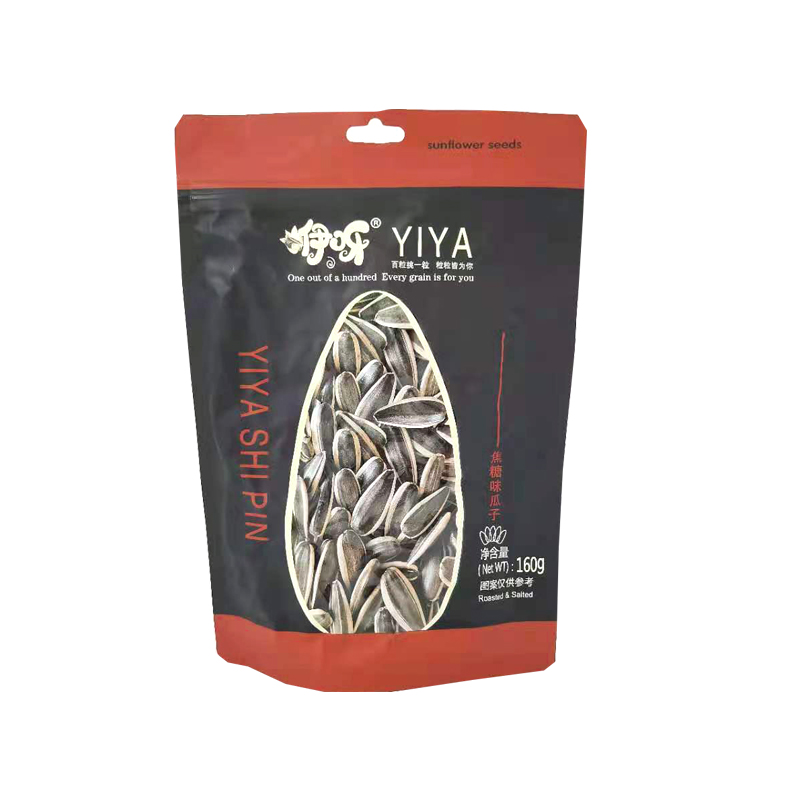
Performance characteristics of melon seeds in sweets are fundamentally linked to textural properties, sugar crystallization, and oil stability. Force analysis reveals that acceptable products exhibit a fracture strength between 5-15 Newtons, measured via a three-point bending test. This range correlates to a desirable balance between crunchiness and chewiness. Environmental resistance is primarily governed by moisture content. High moisture content (>15%) promotes microbial growth and sugar bloom (syrup recrystallization on the surface). Packaging plays a critical role in mitigating moisture ingress. Compliance requirements are extensive, encompassing food safety standards (HACCP, GMP) and labeling regulations (ingredient declarations, allergen warnings). Concerning functional implementation, the sugar coating serves as a barrier against oxidation, protecting the unsaturated fatty acids within the seed from rancidity. The seed oil's thermal stability is crucial during the sugar absorption phase, necessitating temperature control to prevent oil degradation. The interaction between sugar and seed protein also influences textural attributes; excessive protein denaturation can lead to hardening of the confection.
Technical Specifications
| Parameter | Specification | Test Method | Acceptance Criteria |
|---|---|---|---|
| Moisture Content | <12% | Karl Fischer Titration | Visual assessment; <12% by weight |
| Sugar Content (Sucrose) | 60-75% | HPLC | 60-75% of total solids |
| Oil Content | 35-45% (in seed) | Soxhlet Extraction | 35-45% by weight (pre-processing) |
| Fracture Strength | 5-15 N | Three-Point Bending Test | Within specified range for desired texture |
| Water Activity (Aw) | <0.6 | Water Activity Meter | <0.6 to inhibit microbial growth |
| Peroxide Value (Oil) | <5 meq O2/kg | AOFAC Method | Indicates oil oxidation level; <5 meq O2/kg acceptable |
Failure Mode & Maintenance
Failure modes in melon seeds in sweets are diverse. Sugar bloom, caused by moisture absorption and subsequent sucrose recrystallization, is a common aesthetic defect. Rancidity, stemming from lipid oxidation, leads to off-flavors and reduces shelf life. This is accelerated by exposure to air, light, and elevated temperatures. Cracking and breakage during handling or storage are linked to insufficient sugar coating or improper drying. Microbial contamination, primarily molds and yeasts, occurs with excessive moisture and inadequate sanitation. Delamination of the sugar coating can result from uneven sugar absorption or mechanical stress. Maintenance focuses on proper storage – cool, dry, and dark conditions are essential. Packaging should be airtight and moisture-proof. Regular quality control checks, including moisture content analysis and sensory evaluation (flavor, texture), are vital. Implementing a robust HACCP plan to mitigate microbial hazards is critical. For large-scale production, preventative maintenance of processing equipment (dehullers, syrup tanks, dryers) minimizes seed damage and contamination risks.
Industry FAQ
Q: What is the optimal sugar-to-seed ratio for achieving a balance between sweetness and texture?
A: The optimal ratio typically falls between 2:1 and 3:1 (sugar to seed by weight). Higher ratios yield sweeter products, but can also increase brittleness. Lower ratios retain more seed texture but may lack sufficient sweetness. The ideal ratio depends on the desired product profile and specific seed variety.
Q: How can rancidity in the seed oil be effectively prevented during long-term storage?
A: Preventing rancidity requires a multi-faceted approach. Vacuum packaging to exclude oxygen is crucial. Adding antioxidants (e.g., BHA, BHT, vitamin E) to the sugar syrup can inhibit oxidation. Maintaining low storage temperatures (below 25°C) slows down the reaction rate. Using high-quality seeds with low initial peroxide values is also essential.
Q: What are the key considerations for scaling up production while maintaining consistent product quality?
A: Scaling up necessitates precise process control. Automated sugar absorption systems ensure uniform coating. Consistent seed quality is paramount - establishing strong relationships with reliable suppliers is vital. Robust monitoring of temperature, humidity, and syrup concentration throughout the process is crucial. Statistical process control (SPC) can identify and address variations before they impact product quality.
Q: What are the current trends in reducing sugar content in these sweets while maintaining consumer appeal?
A: Utilizing sugar substitutes like stevia, erythritol, or monk fruit extract is a prominent trend. However, these substitutes often affect texture and flavor, requiring careful formulation. Microencapsulation of sweeteners can improve their stability and masking of off-flavors. Enhancing flavor profiles with natural extracts and spices can also compensate for reduced sugar content.
Q: What quality control tests are essential for ensuring the safety and compliance of melon seeds in sweets?
A: Essential tests include moisture content analysis, sugar content determination (HPLC), peroxide value (oil oxidation), water activity (microbial growth potential), microbial enumeration (total plate count, yeast and mold count), and heavy metal analysis. Adherence to food safety regulations (HACCP, GMP) and proper labeling are also critical compliance factors.
Conclusion
Melon seeds in sweets represent a complex confectionery product requiring careful attention to material science, manufacturing process control, and quality assurance. The interplay between seed quality, sugar crystallization, and oil stability dictates the final product’s textural properties, shelf life, and sensory appeal. Addressing challenges related to rancidity, sugar bloom, and microbial contamination is crucial for ensuring consumer safety and product integrity.
Future development in this industry will likely focus on utilizing advanced sugar replacement technologies, optimizing packaging materials for improved barrier properties, and implementing real-time process monitoring systems to enhance product consistency. Continuous improvement in sourcing sustainable and high-quality melon seeds will also be paramount for maintaining the long-term viability of this traditional confectionery sector.
