Introduction
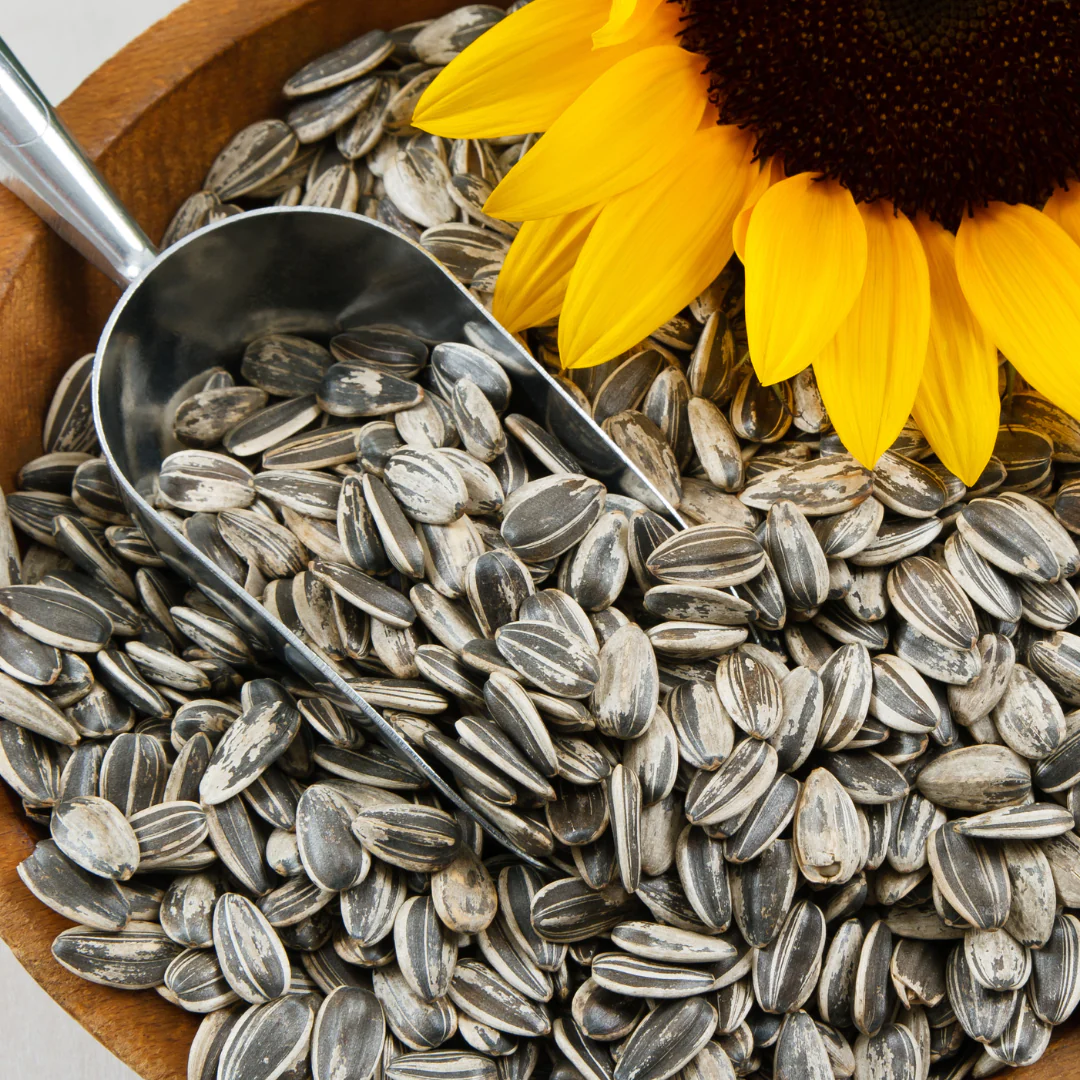
Melon seeds for eating, derived primarily from Cucumis melo varieties, represent a significant agricultural product and snack food globally. Positioned within the post-harvest processing sector of the fruit industry, these seeds undergo specialized treatment—drying, roasting, flavoring—to enhance palatability and shelf life. Their technical position is defined by a complex interplay of seed genetics, agricultural practices, processing parameters, and ultimately, consumer acceptance. Core performance characteristics center around seed size, kernel fullness, oil content, shell strength, and the resultant texture and flavor profile achieved through roasting and seasoning. Addressing consumer concerns regarding aflatoxin contamination and maintaining consistent quality are paramount industry pain points, demanding rigorous quality control throughout the entire supply chain.
Material Science & Manufacturing
The raw material, melon seeds, are primarily composed of lipids (30-50% by weight), proteins (20-30%), carbohydrates (10-20%), and moisture (8-12%). Lipids consist largely of unsaturated fatty acids, including oleic, linoleic, and palmitic acids, contributing to the seed’s nutritional value and flavor. The seed coat, or shell, is comprised of cellulose, hemicellulose, and lignin, providing structural integrity. Manufacturing begins with seed extraction from ripe melons, followed by thorough washing and drying to reduce moisture content to approximately 8-10%. This drying stage, often conducted using hot air ovens, is crucial in preventing mold growth and aflatoxin production. Roasting, typically at temperatures between 120-180°C, is a critical process influencing flavor development and texture. The Maillard reaction, a non-enzymatic browning process between reducing sugars and amino acids, generates desirable flavor compounds. Parameter control during roasting – temperature, duration, and airflow – is vital to avoid scorching and maintain consistent product quality. Finally, seeds are often seasoned with salt, spices, or flavorings, followed by cooling and packaging in moisture-proof materials to extend shelf life.
Performance & Engineering
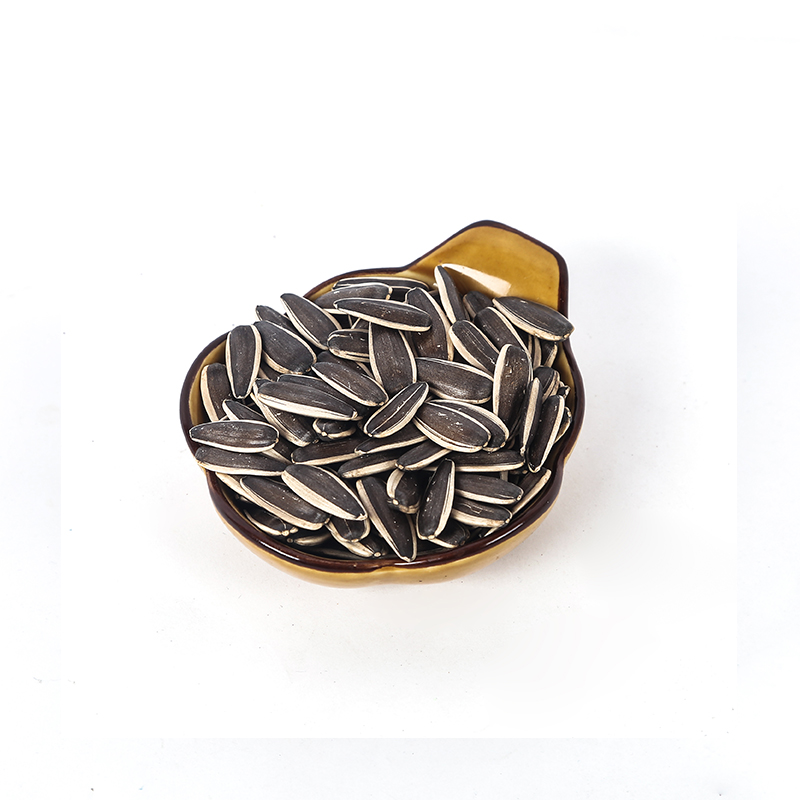
Performance assessment of melon seeds centers on several engineering considerations. Shell strength, measured via compression testing, dictates the ease of cracking during consumption. Optimal shell strength balances ease of opening with minimizing kernel breakage. Moisture content is a critical factor influencing shelf life; exceeding 10% significantly increases the risk of fungal growth and aflatoxin contamination. Force analysis during the cracking process reveals the energy required to breach the shell, directly impacting consumer satisfaction. Environmental resistance is assessed through accelerated aging tests, exposing seeds to elevated temperatures and humidity to simulate long-term storage conditions. Compliance requirements, particularly related to food safety, are stringent. Maximum permissible levels of aflatoxins (B1, B2, G1, G2) are regulated by international bodies (see Standards & Regulations). Functional implementation – the ability of the seed to deliver a desirable sensory experience – relies on optimized roasting and seasoning processes, calibrated to target specific flavor profiles and textures.
Technical Specifications
| Seed Variety | Kernel Fullness (%) | Oil Content (%) | Shell Strength (N) |
|---|---|---|---|
| Hami Melon | 85-90 | 45-50 | 150-200 |
| Kantaloupe | 78-85 | 40-45 | 120-180 |
| Honeydew | 70-80 | 35-40 | 100-150 |
| Xinjiang Melon | 90-95 | 50-55 | 180-250 |
| Black Beauty | 80-88 | 42-48 | 130-190 |
| Golden Turkan | 75-85 | 38-43 | 110-170 |
Failure Mode & Maintenance
Failure modes in melon seeds for eating primarily stem from lipid oxidation, aflatoxin contamination, and physical damage. Lipid oxidation, resulting in rancidity, is accelerated by exposure to oxygen, light, and heat. This leads to off-flavors and reduced nutritional value. Aflatoxin contamination, caused by Aspergillus molds, poses a serious health risk. Prevention relies on strict control of moisture content during drying and storage. Physical damage – kernel breakage, shell cracking – can occur during processing (roasting, seasoning) or transportation. Maintenance strategies focus on proper storage conditions: cool (below 20°C), dry (relative humidity below 65%), and dark environments. Packaging in airtight, moisture-proof containers minimizes oxidation and contamination. Regular monitoring for aflatoxin levels is crucial, utilizing ELISA or HPLC methods. Implementing HACCP (Hazard Analysis and Critical Control Points) systems throughout the entire supply chain is best practice to proactively mitigate these failure modes.
Industry FAQ
Q: What are the primary factors influencing the shelf life of roasted melon seeds?
A: Shelf life is primarily determined by moisture content, lipid oxidation rates, and packaging integrity. Lower moisture content (below 8%) inhibits mold growth, airtight packaging minimizes oxidation, and storage temperature significantly impacts the rate of degradation. Proper packaging material selection is also essential, utilizing materials with low oxygen transmission rates.
Q: How does roasting temperature affect the flavor profile of the seeds?
A: Lower roasting temperatures (120-140°C) result in a milder, nuttier flavor profile, while higher temperatures (160-180°C) promote more pronounced Maillard reaction products, leading to a bolder, more caramelized flavor. Excessive temperatures, however, can lead to scorching and undesirable bitter flavors.
Q: What are the acceptable limits for aflatoxin contamination according to international regulations?
A: Acceptable limits vary by region. The European Union sets a maximum limit of 2 µg/kg for total aflatoxins in food products. The US FDA establishes action levels, typically around 20 µg/kg. Compliance with these regulations is critical for international trade.
Q: How can kernel breakage during processing be minimized?
A: Minimizing kernel breakage requires careful control of roasting parameters, gentle handling during seasoning, and appropriate cooling rates. Using specialized equipment designed for delicate seed processing and avoiding excessive impact forces are crucial.
Q: What quality control measures are essential for ensuring consistent product quality?
A: Essential quality control measures include regular monitoring of moisture content, oil content, shell strength, and aflatoxin levels. Sensory evaluation (taste, texture, aroma) is also critical, along with visual inspection for defects. Implementing a robust quality management system (e.g., ISO 9001) is highly recommended.
Conclusion
Melon seeds for eating represent a technically nuanced product, requiring careful control throughout the entire production chain—from agricultural practices to post-harvest processing and storage. Achieving optimal quality and ensuring food safety demands a deep understanding of material science, engineering principles, and regulatory requirements. The consistent delivery of a desirable sensory experience, coupled with adherence to stringent safety standards, is paramount for sustained success in the global snack food market.
Future advancements in this field will likely focus on optimizing roasting techniques to enhance flavor profiles and minimize lipid oxidation, developing innovative packaging materials to extend shelf life and maintain freshness, and implementing advanced analytical techniques for rapid and accurate aflatoxin detection. Furthermore, exploring alternative seasoning methods and developing new seed varieties with improved kernel fullness and oil content will drive further innovation within the industry.
