Introduction
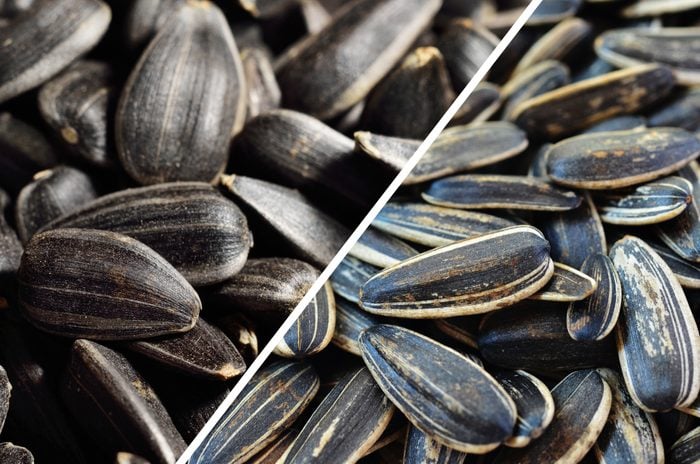
Melon seed cooking, encompassing processes from raw seed selection to final product consumption, represents a nuanced segment of food preparation with significant implications for both nutritional value and food safety. While seemingly simple, optimal results demand a precise understanding of seed morphology, compositional variability, and the thermochemical transformations induced during processing. This guide details the technical aspects of melon seed cooking, addressing material science principles, performance characteristics, potential failure modes, and adherence to relevant industry standards. Historically, melon seed preparation was a localized, small-batch activity. However, increasing consumer demand and industrialization have necessitated standardized methodologies, quality control protocols, and scalable processing techniques. Core performance indicators include seed expansion ratio, textural attributes (crunchiness, tenderness), flavor profile development, and the minimization of acrylamide formation during high-temperature roasting. This document provides a comprehensive overview for professionals involved in food science, food processing engineering, and quality assurance related to melon seed products.
Material Science & Manufacturing
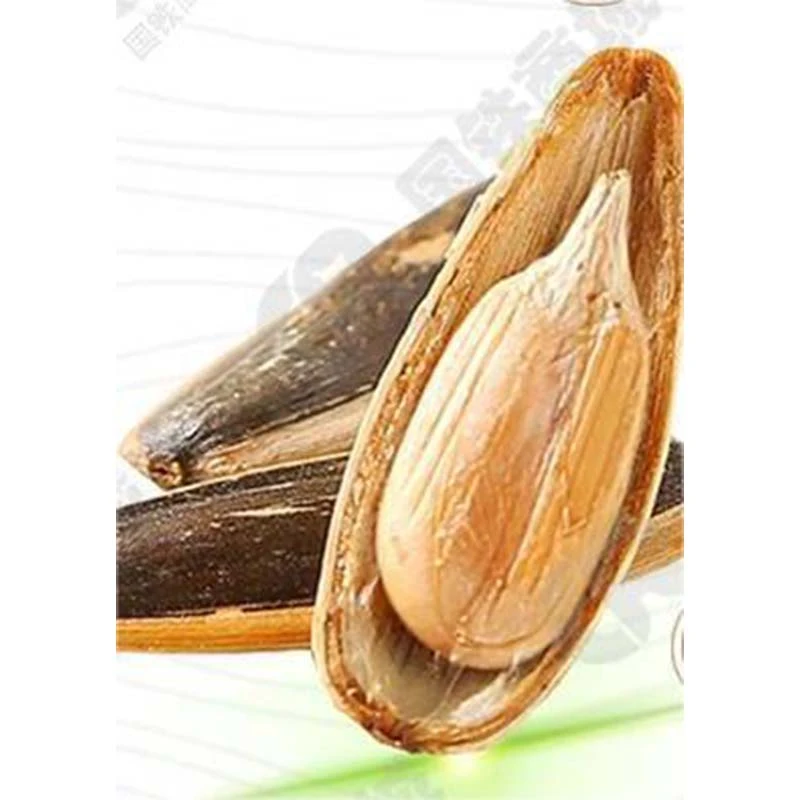
Melon seeds, primarily sourced from Cucurbita species, exhibit a complex material composition. The seed coat, or testa, is comprised predominantly of cellulose, hemicellulose, and lignin, providing a protective barrier against mechanical damage and environmental factors. Beneath the testa lies the cotyledons, rich in lipids (approximately 40-50% by weight, primarily unsaturated fatty acids like oleic and linoleic acid), proteins (20-30%, encompassing globulins and albumins), and carbohydrates (15-25%, consisting of starch and fiber). Manufacturing begins with seed cleaning and grading, removing debris and segregating seeds based on size and density. Pre-treatment often involves soaking in water, sometimes with the addition of salt or alkaline solutions, to enhance seed softening and accelerate moisture absorption during subsequent cooking. Roasting, the most common cooking method, is a complex heat transfer process. The objective is to achieve uniform heating throughout the seed, triggering Maillard reactions (responsible for flavor and aroma development) and starch gelatinization. Key parameters include roasting temperature (typically 150-200°C), roasting time (15-45 minutes), and air velocity within the roasting chamber. Control of these parameters is crucial to prevent seed burning, lipid oxidation, and acrylamide formation. Alternative manufacturing processes include frying, boiling, and microwaving, each with unique heat transfer characteristics and resulting product attributes. Frying introduces oil absorption, while boiling results in softer textures due to increased moisture content. Precise control of the moisture content before roasting is paramount, affecting expansion ratio and final texture.
Performance & Engineering
Performance of cooked melon seeds is critically linked to structural integrity and heat-induced changes. Force analysis reveals that the seed coat’s tensile strength decreases with increasing moisture content and roasting time. This reduction in tensile strength contributes to the characteristic “snap” or “crunch” associated with properly roasted seeds. Environmental resistance is primarily focused on preventing lipid oxidation and maintaining textural integrity during storage. Exposure to oxygen, light, and elevated temperatures accelerates lipid peroxidation, leading to rancidity and off-flavors. Packaging materials with low oxygen transmission rates (OTR) and ultraviolet (UV) light blocking properties are essential for preserving product quality. Compliance requirements vary geographically, but generally include regulations pertaining to moisture content (typically below 5%), peroxide value (a measure of lipid oxidation), and heavy metal contamination. The efficiency of heat transfer during roasting is a key engineering consideration. Computational Fluid Dynamics (CFD) modeling can be employed to optimize roasting chamber design and airflow patterns, ensuring uniform heating and minimizing variations in product quality. Furthermore, understanding the heat capacity of seeds and the heat transfer coefficients between seeds and the roasting medium is crucial for accurate process control. The thermal conductivity of the seed coat and cotyledon differ, impacting heating rates. The ideal roasting process aims to maximize flavor development while minimizing undesirable byproducts like acrylamide. Acrylamide formation is influenced by temperature, moisture content, and the presence of reducing sugars.
Technical Specifications
| Parameter | Typical Range (Raw Seeds) | Typical Range (Roasted Seeds) | Testing Method |
|---|---|---|---|
| Moisture Content | 8-12% | 2-5% | Oven Drying (AOAC 925.10) |
| Lipid Content | 40-50% | 45-55% | Soxhlet Extraction (AOAC 920.39) |
| Protein Content | 20-30% | 22-32% | Kjeldahl Method (AOAC 920.87) |
| Fiber Content | 10-15% | 12-17% | Acid Detergent Fiber (ADF) Method (AOAC 973.18) |
| Expansion Ratio (Volume Increase) | N/A | 1.5-2.5 | Volumetric Displacement |
| Peroxide Value (PV) | <5 meq O2/kg | <3 meq O2/kg (after 3 months storage) | Titration (AOCS Cd 8-53) |
Failure Mode & Maintenance
Common failure modes in melon seed cooking include rancidity due to lipid oxidation, textural defects (e.g., excessively hard or soft seeds), and acrylamide formation. Rancidity is a primary concern, manifesting as off-flavors and odors. This is mitigated through packaging in oxygen-barrier materials and storage at low temperatures. Textural defects can arise from inadequate moisture control during roasting. Insufficient moisture results in brittle, easily fractured seeds, while excessive moisture leads to soggy, under-roasted products. Careful monitoring of roasting time and temperature is crucial. Acrylamide formation is a chemical concern; it is driven by the Maillard reaction and mitigated by reducing roasting temperature and optimizing roasting time. Seed cracking during roasting is a mechanical failure often linked to rapid temperature changes and uneven heating. Proper temperature ramp-up and controlled air circulation can minimize this issue. Maintenance practices include regular cleaning of roasting equipment to prevent buildup of residual seed material and oil, which can contribute to rancidity and fire hazards. Periodic inspection of heating elements and temperature sensors is also essential to ensure accurate process control. Storage of raw and roasted seeds should be in cool, dry conditions to prevent microbial growth and insect infestation. Implementing a First-In, First-Out (FIFO) inventory management system minimizes storage time and reduces the risk of product degradation.
Industry FAQ
Q: What is the optimal moisture content for melon seeds prior to roasting to achieve maximum expansion and crunchiness?
A: The optimal moisture content prior to roasting typically falls within the range of 6-8%. Lower moisture content can lead to brittle seeds that fracture easily, while higher moisture content can result in a softer, less expanded product. Achieving this moisture level usually involves a controlled soaking process followed by air drying.
Q: How can lipid oxidation be effectively minimized during storage of roasted melon seeds?
A: Lipid oxidation is best minimized by packaging the roasted seeds in airtight containers constructed from materials with low oxygen transmission rates (OTR), such as metallized films or high-barrier plastics. Adding antioxidants like tocopherols or rosemary extract can also provide additional protection. Storage at low temperatures (e.g., refrigeration) further slows the oxidation process.
Q: What are the key factors influencing acrylamide formation during melon seed roasting, and how can it be controlled?
A: Acrylamide formation is influenced by roasting temperature, roasting time, and the concentration of reducing sugars in the seeds. Lowering the roasting temperature and optimizing roasting time to achieve desired color and flavor without excessive heat exposure can significantly reduce acrylamide levels. Careful control of raw material quality and selection of seed varieties with lower reducing sugar content are also important.
Q: What analytical methods are commonly used to assess the quality and safety of roasted melon seeds?
A: Common analytical methods include moisture content determination (oven drying), lipid content analysis (Soxhlet extraction), protein content analysis (Kjeldahl method), peroxide value determination (titration), acrylamide analysis (LC-MS/MS), and heavy metal analysis (ICP-MS). Sensory evaluation is also used to assess flavor, texture, and overall acceptability.
Q: What is the significance of the expansion ratio in evaluating the quality of cooked melon seeds?
A: The expansion ratio, defined as the volume increase of the seed during cooking, is a key indicator of the effectiveness of the cooking process. A higher expansion ratio generally indicates better seed softening and a more desirable textural attribute. It reflects the extent of starch gelatinization and the formation of internal air pockets.
Conclusion
Melon seed cooking is a multifaceted process demanding a deep understanding of material properties, heat transfer principles, and chemical reactions. Achieving optimal product quality necessitates precise control over key parameters, including moisture content, roasting temperature, and packaging conditions. Failure to adequately address these factors can lead to undesirable outcomes such as rancidity, textural defects, and the formation of harmful compounds like acrylamide.
Further research should focus on developing innovative roasting technologies that minimize acrylamide formation while maximizing flavor development and nutritional value. Exploring novel packaging materials with enhanced barrier properties and the application of advanced process control systems can also contribute to improved product quality and extended shelf life. Ultimately, a comprehensive, scientifically-grounded approach is essential for producing high-quality, safe, and appealing melon seed products that meet the evolving demands of the consumer market.
