Introduction
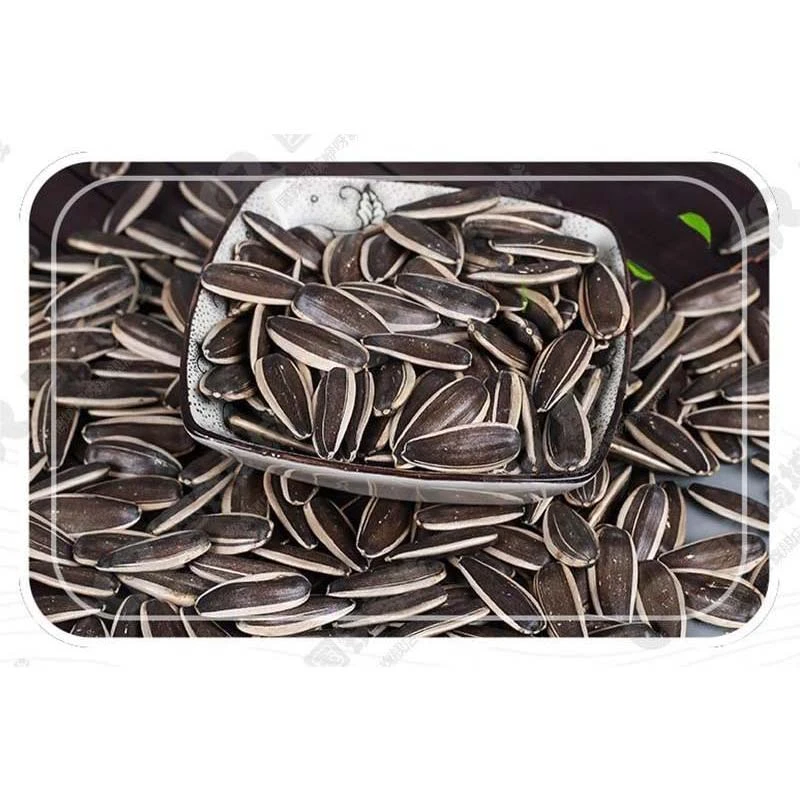
Melon seeds and pumpkin seeds, derived from Cucumis melo and Cucurbita species respectively, represent significant agricultural commodities with a growing presence in the functional food and snack food industries. These seeds occupy a unique position in the supply chain, bridging agricultural production and food processing. While often considered a byproduct of fruit consumption, their nutritional profile—rich in unsaturated fatty acids, proteins, minerals (magnesium, zinc, iron), and antioxidants—has driven their increasing demand as standalone ingredients. This guide provides an in-depth technical analysis of their material science, manufacturing processes, performance characteristics, potential failure modes, and relevant industry standards. Core industry pain points revolve around maintaining seed viability during processing, mitigating rancidity due to high oil content, ensuring consistent kernel size for automated processing, and meeting stringent food safety regulations.
Material Science & Manufacturing
Both melon and pumpkin seeds are primarily composed of a hard outer shell (testa) providing protective layers, and a kernel rich in lipids (35-50% dry weight), proteins (25-30% dry weight), and carbohydrates (10-15% dry weight). The testa is primarily cellulose and lignin, lending structural rigidity. Lipid composition differs; pumpkin seeds are notable for a higher linoleic acid content, while melon seeds often possess a higher oleic acid proportion. Manufacturing begins with seed harvesting, cleaning, and drying to reduce moisture content to ~8-10% for optimal storage. Critical parameters during drying include temperature (max 50°C to prevent protein denaturation) and airflow rate (uniformity critical to prevent localized mold growth). Post-drying, seeds undergo size grading to separate kernels. Mechanical cracking processes, employing controlled impact forces, are used to breach the testa. Precise force control is crucial to minimize kernel damage and maintain intact cotyledons. Further processing includes removal of the seed coat fragments through air separation and polishing. Pumpkin seeds are frequently roasted to enhance flavor and texture, typically at temperatures between 120-160°C for 15-30 minutes. Control of roasting time and temperature is essential to prevent acrylamide formation. Melon seeds may undergo blanching or pre-treatment before roasting to improve digestibility and reduce bitterness. Quality control at each stage involves monitoring moisture content, oil content, free fatty acid levels (FFA), peroxide value (PV) to assess rancidity, and microbial load (total plate count, yeast & mold, Salmonella).
Performance & Engineering
Performance characteristics are largely defined by the seed's structural integrity and chemical composition. Shell strength, determined through compression testing (Newton force required for fracture), dictates efficiency of cracking operations. Kernel hardness, assessed via texture analysis (force required to compress a kernel to a defined deformation), impacts processing conditions (e.g., milling, extrusion). Environmental resistance concerns primarily relate to lipid oxidation. Packaging materials play a crucial role; oxygen transmission rate (OTR) must be minimized, and the use of nitrogen flushing within packaging is common practice. Moisture content is a critical parameter affecting shelf life, with higher moisture accelerating rancidity. Compliance requirements stem from food safety regulations. The seeds must meet regulatory limits for heavy metal content (lead, cadmium), pesticide residues, and aflatoxins. Functional implementation relies on controlled particle size distribution (PSD) for use in baked goods or snack formulations. Engineering considerations for automated processing lines include hopper design to prevent bridging, optimized vibration frequencies for seed separation, and controlled conveying speeds to minimize kernel damage. Fatty acid profiles influence thermal stability during processing; seeds with higher saturated fat content exhibit greater resistance to oxidative degradation. Furthermore, the size and shape uniformity of the seeds and kernels are important for efficient packaging and metering in automated filling lines.
Technical Specifications
| Parameter | Melon Seeds (Average) | Pumpkin Seeds (Average) | Units |
|---|---|---|---|
| Moisture Content | 7-9 | 8-10 | % (wet basis) |
| Oil Content | 38-45 | 42-50 | % (dry basis) |
| Protein Content | 26-32 | 28-34 | % (dry basis) |
| Shell Strength (Fracture Force) | 120-180 | 150-220 | N |
| Kernel Hardness | 80-120 | 90-140 | N |
| Peroxide Value (Initial) | <2 | <3 | meq O2/kg |
| Linoleic Acid Content | 40-50 | 50-60 | % of Total Fatty Acids |
Failure Mode & Maintenance
Common failure modes include rancidity due to lipid oxidation (manifested by off-flavors and odors), shell cracking during processing (leading to kernel damage and yield loss), and microbial contamination (resulting in spoilage and safety concerns). Rancidity is accelerated by exposure to oxygen, light, and elevated temperatures. Mitigation strategies involve antioxidant addition (e.g., tocopherols), controlled atmosphere packaging, and optimized storage conditions (low temperature, dark environment). Shell cracking is often caused by excessive impact force or uneven stress distribution during cracking. Maintenance of cracking equipment—regular inspection and replacement of impact components—is critical. Microbial contamination can arise from inadequate sanitation practices or compromised packaging integrity. Implementing robust hygiene protocols, regular sanitation audits, and utilizing packaging materials with low water vapor transmission rate (WVTR) are essential preventative measures. Further, kernel degradation can occur during prolonged storage due to enzyme activity. Inactivation of lipases through pre-treatment (e.g., mild heat treatment) can extend shelf life. Regular monitoring of key quality parameters (FFA, PV, microbial load) is crucial for proactive identification of potential issues.
Industry FAQ
Q: What is the primary driver of rancidity in pumpkin seeds, and how can it be effectively controlled?
A: The primary driver of rancidity in pumpkin seeds is the oxidation of unsaturated fatty acids, particularly linoleic acid, by atmospheric oxygen. Effective control strategies include packaging in airtight, opaque materials with low OTR, nitrogen flushing to displace oxygen, addition of natural antioxidants like tocopherols or rosemary extract, and maintaining low storage temperatures (below 15°C).
Q: What are the critical parameters to monitor during the drying process to ensure optimal seed quality?
A: Critical parameters include drying temperature (should not exceed 50°C to prevent protein denaturation), airflow rate (ensuring uniform drying), and drying time (reaching a moisture content of 8-10%). Regular moisture content analysis is essential. Uneven drying can lead to mold growth and reduced seed viability.
Q: How does kernel hardness impact the processing efficiency of pumpkin seeds for snack food applications?
A: Kernel hardness influences the milling or extrusion process. Harder kernels require more energy to process and may result in a coarser texture. Softer kernels are easier to process but can become fragmented more readily. An optimal hardness range provides the best balance between processing efficiency and product texture.
Q: What are the implications of exceeding the regulatory limits for aflatoxins in melon seeds?
A: Exceeding regulatory limits for aflatoxins poses a significant health risk to consumers. Aflatoxins are potent carcinogens. Exceeding limits results in product recalls, brand damage, and potential legal penalties. Robust quality control measures, including pre-harvest monitoring and post-harvest sorting, are essential to mitigate this risk.
Q: What type of packaging material provides the best barrier properties to protect pumpkin seeds from oxidative degradation during extended storage?
A: Multi-layer packaging films incorporating a metallized layer (e.g., aluminum foil) and a high-barrier polymer (e.g., EVOH) provide the best barrier properties against oxygen and light. Sealing integrity and nitrogen flushing are also crucial components of effective packaging.
Conclusion
Melon and pumpkin seeds represent valuable agricultural resources with increasing relevance in the food industry. Their inherent nutritional properties, coupled with advancements in processing technologies, drive their growing demand. Understanding the material science governing their structure and composition is paramount for optimizing manufacturing processes and ensuring product quality. Effective management of critical parameters—moisture content, lipid oxidation, microbial contamination—throughout the supply chain is essential for maintaining seed viability, preventing spoilage, and meeting stringent food safety regulations.
Future research should focus on developing novel processing techniques to enhance nutrient bioavailability, improve sensory characteristics, and extend shelf life. The application of advanced packaging technologies, such as active packaging incorporating oxygen scavengers, holds promise for further mitigating oxidative degradation. Sustainable sourcing practices and efficient utilization of seed byproducts will also be crucial for ensuring the long-term viability of the industry.
