Introduction
Melon seed price per kg represents a key metric within the agricultural commodities market, directly impacting both producers and consumers. This technical guide provides an in-depth exploration of the factors influencing pricing, encompassing agronomic practices, processing methodologies, quality grading, market dynamics, and international trade regulations. Melon seeds, specifically those from Cucumis melo varieties, are valued not only for direct consumption (roasted or raw) but also for oil extraction and, to a lesser extent, as a protein source in animal feed. Understanding the nuances of price fluctuations requires a comprehensive understanding of the entire value chain, from seed selection and cultivation to final packaging and distribution. This document will detail the critical parameters governing cost, quality, and ultimately, the price per kilogram of melon seeds in the global marketplace. The industry faces ongoing challenges related to crop yield variability due to climate change, logistical disruptions affecting transportation costs, and increasingly stringent food safety standards. These factors are paramount to understanding current price trends and forecasting future market behavior.
Material Science & Manufacturing
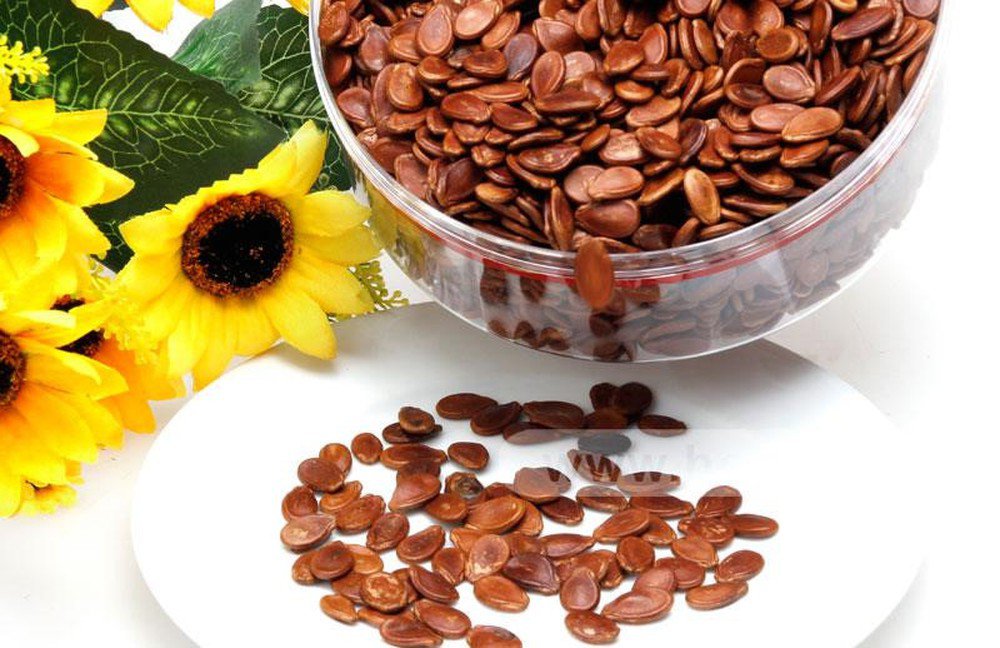
The composition of melon seeds significantly impacts their price and quality. Seeds typically consist of 40-55% oil, 25-35% protein, 10-15% carbohydrates, and 5-10% moisture. Oil content, particularly the concentration of linoleic and oleic acids, is a primary determinant of value. The manufacturing process begins with harvesting, traditionally manual, though mechanical harvesting is increasing in larger operations. Post-harvest, seeds undergo cleaning to remove debris, drying to reduce moisture content to approximately 7-9% (crucial for preventing mold growth and rancidity), grading based on size and visual quality, and finally, packaging. Drying methods influence seed quality; sun-drying is cost-effective but risks contamination and uneven drying. Mechanical drying, utilizing controlled temperature and airflow, is preferred for maintaining consistent quality. Seed hulls, composed primarily of cellulose and lignin, are often removed for consumption, adding a further processing step. The hardness of the hull varies by variety and impacts the energy required for dehulling. Chemical analysis of the seed oil, specifically peroxide value (PV) and acid value (AV), is critical for assessing freshness and preventing oxidation. Contamination with aflatoxins, a significant food safety concern, necessitates rigorous quality control throughout the entire process, influencing production costs and, consequently, the price per kg. The type of packaging material – typically polypropylene or polyethylene – also impacts shelf life and, indirectly, the price due to preservation requirements.
Performance & Engineering
The “performance” of melon seeds, in a commercial context, is assessed by several engineering properties influencing processability and end-use quality. The rupture force required to crack a seed is a key parameter, dependent on hull thickness and seed density. This impacts the efficiency of dehulling operations and the perceived quality for direct consumption. Moisture content plays a critical role in seed stability and oil yield. Excessive moisture promotes microbial growth, leading to spoilage and reduced oil quality. Conversely, excessively low moisture content can cause cracking during processing. The bulk density of seeds impacts packaging efficiency and transportation costs. Storage stability is a major engineering consideration. Seeds are susceptible to oxidation and rancidity, particularly at elevated temperatures. Modified atmosphere packaging (MAP) utilizing nitrogen flushing can extend shelf life by reducing oxygen levels. Furthermore, the engineering design of processing equipment (dehullers, graders, dryers) significantly influences throughput and seed damage rates, directly impacting production costs. Compliance with food safety standards (e.g., HACCP, GMP) requires stringent control of processing parameters and monitoring of potential hazards. The thermal stability of the seed oil during roasting (for consumption) is also an important performance characteristic, influencing flavor development and preventing degradation. Force analysis during dehulling is essential for optimizing machine parameters to minimize seed breakage.
Technical Specifications
| Parameter | Unit | Typical Value (Domestic Variety) | Typical Value (Export Grade) |
|---|---|---|---|
| Oil Content | % (Dry Basis) | 45 | 50-55 |
| Moisture Content | % | 8-10 | 7-8 |
| Protein Content | % (Dry Basis) | 28 | 30-32 |
| Hull Percentage | % | 35-40 | 25-30 (Dehulled) |
| Seed Size (Average Diameter) | mm | 8-12 | 10-15 |
| Peroxide Value (PV) | meq O2/kg | <5 | <3 |
Failure Mode & Maintenance
Failure modes affecting melon seed quality and, consequently, price, fall into several categories. Biological degradation, primarily fungal growth (resulting in aflatoxin contamination), is a major concern. This is accelerated by high moisture content and improper storage conditions. Mechanical damage during harvesting, processing, and transportation (leading to cracked seeds and increased surface area for oxidation) is another common failure mode. Oxidative rancidity, characterized by off-flavors and reduced oil quality, occurs due to the oxidation of unsaturated fatty acids. This is exacerbated by exposure to oxygen, light, and heat. Physical contamination with foreign materials (stones, soil, plant debris) impacts marketability. Delamination of the seed coat can occur during drying or dehulling if parameters are not properly controlled. Maintenance of processing equipment is critical for preventing mechanical damage and contamination. Regular cleaning and lubrication of dehullers, graders, and dryers are essential. Storage facilities must be maintained to control temperature, humidity, and pest populations. Implementing a robust quality control system, including regular sampling and testing for aflatoxins and peroxide value, is paramount. Preventive maintenance schedules should be rigorously followed to minimize downtime and ensure consistent product quality. Proper ventilation in storage areas is crucial to prevent moisture buildup and fungal growth. Seed lots should be rotated based on first-in, first-out (FIFO) principles.
Industry FAQ
Q: What is the primary driver of price fluctuations in the melon seed market?
A: Crop yield variability due to weather conditions, specifically drought or excessive rainfall, is the most significant driver of price fluctuations. Sudden reductions in supply due to unfavorable weather directly impact prices. Secondary drivers include transportation costs, global demand, and currency exchange rates.
Q: How does aflatoxin contamination affect the price of melon seeds?
A: Aflatoxin contamination drastically reduces the market value of melon seeds. Severely contaminated lots may be rejected outright, leading to significant financial losses for producers. Increased testing and sorting to remove contaminated seeds add to production costs, which are then reflected in the price per kg.
Q: What are the key differences between domestic and export-grade melon seeds?
A: Export-grade seeds typically have higher oil content, lower moisture content, and are more rigorously screened for defects and contaminants (including aflatoxins). They often undergo dehulling and are sorted by size and uniformity, commanding a premium price. Packaging standards for export are also more stringent.
Q: What role does oil extraction play in determining the price of melon seeds?
A: The demand for melon seed oil significantly influences the price of seeds. If the oil market is strong, the price of seeds increases as processors compete for supply. Oil yield (percentage of oil extracted from the seeds) is a key factor in determining the economic viability of oil extraction and, therefore, the price paid for seeds.
Q: What impact do packaging materials have on the shelf life and price of melon seeds?
A: Packaging materials significantly influence shelf life by controlling oxygen and moisture levels. High-barrier packaging, such as multilayer polypropylene films or vacuum-sealed bags, extends shelf life and reduces the risk of rancidity, allowing for longer storage and potentially higher prices. The cost of these materials contributes to the overall price per kg.
Conclusion
The price of melon seeds per kilogram is a complex interplay of agronomic factors, processing efficiencies, quality control measures, and market forces. Maintaining consistent quality, minimizing contamination risks (especially aflatoxins), and optimizing processing parameters are crucial for maximizing value. Understanding the specifications demanded by both domestic and export markets is essential for producers to achieve optimal pricing.
Looking forward, climate change and evolving consumer preferences will continue to shape the melon seed market. Investing in drought-resistant varieties, improving storage infrastructure, and developing sustainable farming practices will be critical for ensuring a stable and profitable supply chain. Furthermore, traceability and certification schemes will become increasingly important for meeting consumer demands for food safety and transparency.
