Introduction
Low price sunflower seeds represent a significant commodity within the global agricultural market, serving as both a direct food source and a crucial input for oil extraction. Positioned within the oilseed complex, these seeds are subject to fluctuations based on weather patterns, geopolitical factors, and global demand for vegetable oils. Their economic viability hinges on optimizing yield, minimizing post-harvest losses, and maintaining consistent quality, even at competitive price points. Core performance characteristics revolve around oil content, protein levels, fatty acid profiles, and the presence of contaminants. This guide provides an in-depth technical analysis of low price sunflower seeds, covering material science, manufacturing processes, performance engineering, potential failure modes, and relevant industry standards. The focus is on understanding the technical trade-offs inherent in producing a cost-effective product without compromising fundamental quality and safety.
Material Science & Manufacturing
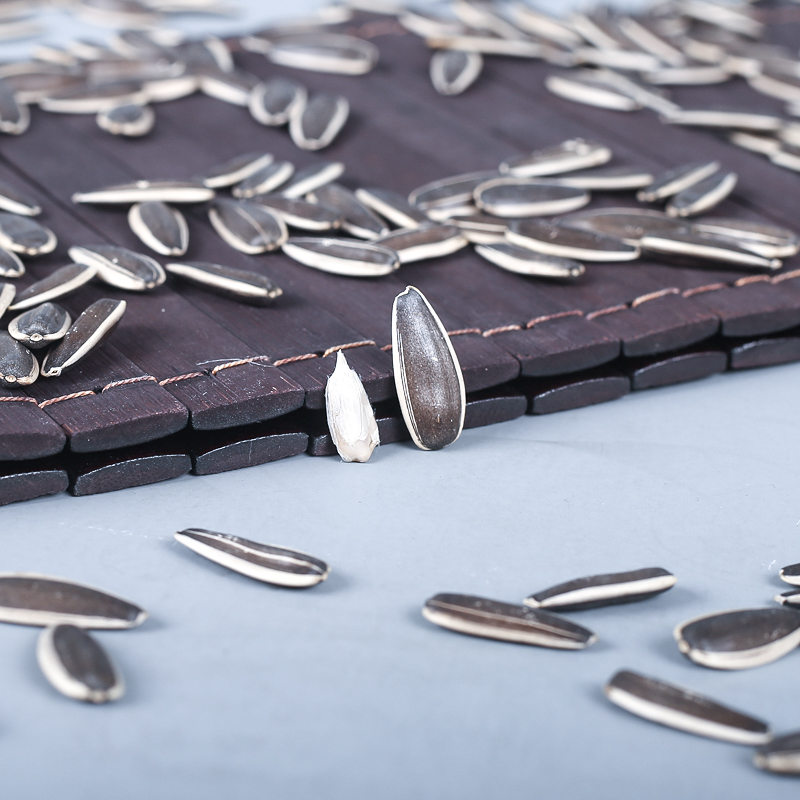
Sunflower seeds ( Helianthus annuus ) are inherently composed of a complex matrix of lipids (35-55% by weight), proteins (18-25%), carbohydrates (10-20%), and fiber. The kernel, or seed meat, constitutes the primary component of interest. The shell, or hull, represents a significant portion of the whole seed's weight (20-50%), and its percentage influences processing efficiency and oil yield. Seed development is governed by genetics, influencing oil content and fatty acid composition. Manufacturing begins with agricultural practices – seed variety selection, planting density, fertilization, and irrigation. Post-harvest processing involves cleaning, drying (to approximately 8-9% moisture content to inhibit mold growth and aflatoxin production), dehulling (mechanical removal of the hull, impacting oil yield and protein concentration), and grading based on size and quality. Contamination control is paramount, requiring rigorous cleaning protocols to remove foreign materials (stones, stems, weeds). Seed quality is often assessed by measuring oil content via solvent extraction (hexane is common), moisture content using Karl Fischer titration, and assessing fatty acid profile via gas chromatography. Parameter control during drying is critical; excessive temperatures can denature proteins and reduce oil quality. Dehulling efficiency impacts both yield and seed integrity; aggressive dehulling can damage the kernel, increasing free fatty acid levels and reducing oil quality. Storage conditions (temperature, humidity, and aeration) are essential for preserving seed quality and preventing lipid oxidation.
Performance & Engineering
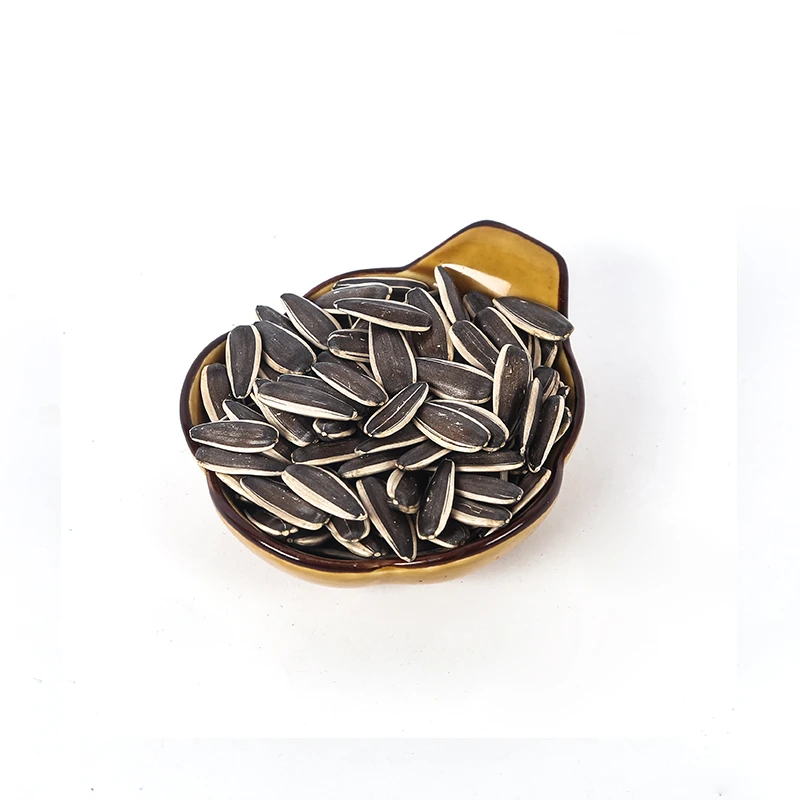
Performance evaluation of low price sunflower seeds extends beyond simple oil yield. Key engineering considerations include the seed’s resistance to cracking during processing (related to shell strength and kernel moisture content), flowability for efficient handling in processing equipment (influenced by seed shape and size distribution), and stability during storage. Oil expulsion efficiency is heavily reliant on seed preparation (cleaning, dehulling, and conditioning). The fatty acid profile – specifically the ratio of linoleic to oleic acid – impacts oil stability and nutritional value. High linoleic acid content, while common, is prone to oxidation, necessitating the addition of antioxidants during storage or refining. The protein fraction, though present in lower concentrations than oil, is a significant factor in animal feed applications, dictating its biological value. Environmental resistance during growth stages is important; drought tolerance and resistance to common sunflower diseases (e.g., rust, downy mildew) directly impact yield and quality. Compliance requirements, particularly regarding mycotoxin levels (aflatoxins) and pesticide residues, are stringent and vary by importing country. Force analysis during processing (e.g., pressing force during oil extraction) needs to be optimized to maximize yield while minimizing kernel damage. Thermal stability during roasting (for confectionary seeds) must be controlled to prevent scorching and maintain flavor profile.
Technical Specifications
| Parameter | Unit | Typical Range (Low Price Seeds) | Acceptable Deviation |
|---|---|---|---|
| Oil Content (Dry Basis) | % | 40-48 | ±2% |
| Protein Content (Dry Basis) | % | 18-22 | ±1.5% |
| Moisture Content | % | 8-9 | ±0.5% |
| Hull Content | % | 20-40 | ±5% |
| Broken Kernels & Foreign Material | % | < 2 | ±0.5% |
| Free Fatty Acid (FFA) | % | < 1.0 | ±0.2% |
Failure Mode & Maintenance
Sunflower seeds are susceptible to several failure modes throughout their lifecycle. A primary failure mode is lipid oxidation, leading to rancidity and a decrease in oil quality. This is accelerated by exposure to oxygen, light, heat, and residual metal catalysts. Aflatoxin contamination, caused by Aspergillus molds, is a significant safety concern, particularly in warm, humid climates. Mechanical damage during harvesting, dehulling, or storage can result in cracked kernels, increasing susceptibility to mold growth and insect infestation. Insect infestation (e.g., by storage beetles) can lead to weight loss, kernel damage, and the introduction of allergens. Degradation of protein quality can occur due to improper drying or prolonged storage, reducing its nutritional value. Maintenance strategies include implementing robust cleaning and drying protocols, controlling storage temperature and humidity (below 15°C and 65% RH respectively), employing aeration systems to prevent moisture buildup, regular inspection for insect activity and mold growth, and the use of appropriate storage containers. Antioxidant addition during storage can mitigate lipid oxidation. Regular testing for aflatoxins and pesticide residues is essential. Proper calibration and maintenance of processing equipment (dehullers, cleaners, dryers) are crucial for minimizing mechanical damage.
Industry FAQ
Q: What is the typical shelf life of low price sunflower seeds under optimal storage conditions?
A: Under optimal conditions (temperature below 15°C, humidity below 65%, and protection from light and oxygen), low price sunflower seeds can maintain acceptable quality for approximately 12-18 months. However, regular monitoring for aflatoxins and lipid oxidation is still recommended, even within this timeframe.
Q: How does hull content impact the oil yield and profitability of low price sunflower seeds?
A: Higher hull content directly reduces oil yield as the hull itself contains minimal oil. While dehulling removes the hull, incomplete dehulling increases processing costs and reduces oil extraction efficiency. A balance must be struck; aggressive dehulling can damage the kernel, negating potential gains. Typically, a hull content of 20-30% is considered optimal for cost-effectiveness.
Q: What are the critical control points for minimizing aflatoxin contamination in sunflower seeds?
A: Critical control points include pre-harvest management (selecting disease-resistant varieties, proper irrigation), timely harvesting before significant rainfall, rapid and thorough drying to below 9% moisture content, proper storage in clean, dry facilities, and regular testing for aflatoxin levels. Preventing mechanical damage to the kernels is also crucial, as damaged kernels are more susceptible to mold growth.
Q: What are the common methods for determining oil content in sunflower seeds, and what are their limitations?
A: The most common method is solvent extraction using hexane, followed by analysis of the extracted oil. While accurate, this method requires specialized equipment and trained personnel. Near-infrared (NIR) spectroscopy is a faster, non-destructive method but requires calibration against reference methods. Moisture content must be accurately measured as it directly impacts oil content calculations.
Q: How do different fatty acid profiles in sunflower oil impact its suitability for various applications?
A: Sunflower oil with a high linoleic acid content is suitable for salad oils and other applications where oxidative stability is less critical. High-oleic sunflower oil, with a lower linoleic acid content, is more stable and preferred for frying and high-temperature cooking applications. The fatty acid profile is genetically determined, so seed variety selection is crucial for tailoring the oil's properties to specific end-uses.
Conclusion
Low price sunflower seeds, despite their cost-effective positioning, demand a rigorous understanding of material science and processing techniques to ensure consistent quality and safety. Maintaining optimal moisture content, controlling hull content, and preventing aflatoxin contamination are paramount concerns throughout the supply chain. Successful production relies on a holistic approach, integrating agricultural best practices with efficient processing and robust storage management.
Further advancements in seed breeding, focusing on increased oil content, improved fatty acid profiles, and enhanced disease resistance, will continue to drive improvements in the economic viability and nutritional value of low price sunflower seeds. Implementing advanced monitoring technologies for mycotoxin detection and lipid oxidation will be crucial for maintaining consumer confidence and meeting increasingly stringent regulatory requirements.
