Introduction
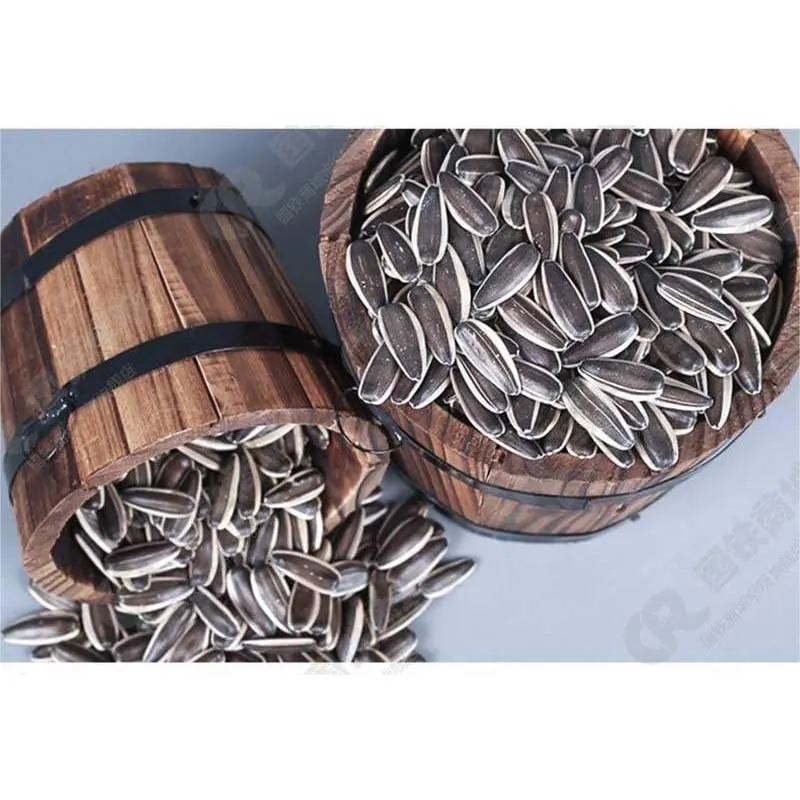
Large particle size sunflower seeds, defined as those exceeding 6.35mm in diameter, represent a specific grade within the Helianthus annuus seed market, primarily utilized in confectionery, roasting, and in-shell snack applications. Unlike smaller seeds processed for oil extraction, these seeds are selected based on their size, density, and hull integrity. Their position in the agricultural supply chain lies post-harvest, involving sorting, grading, cleaning, and often, specialized drying and flavoring processes. Core performance characteristics center around kernel fullness (percentage of kernel weight to total seed weight), moisture content (critical for storage stability), and absence of defects (broken kernels, insect damage, discoloration). The demand for large particle seeds is driven by consumer preference for a more substantial snacking experience and a visual appeal indicative of quality. Achieving consistent large particle size requires optimized agricultural practices, precision harvesting techniques, and effective post-harvest processing controls.
Material Science & Manufacturing
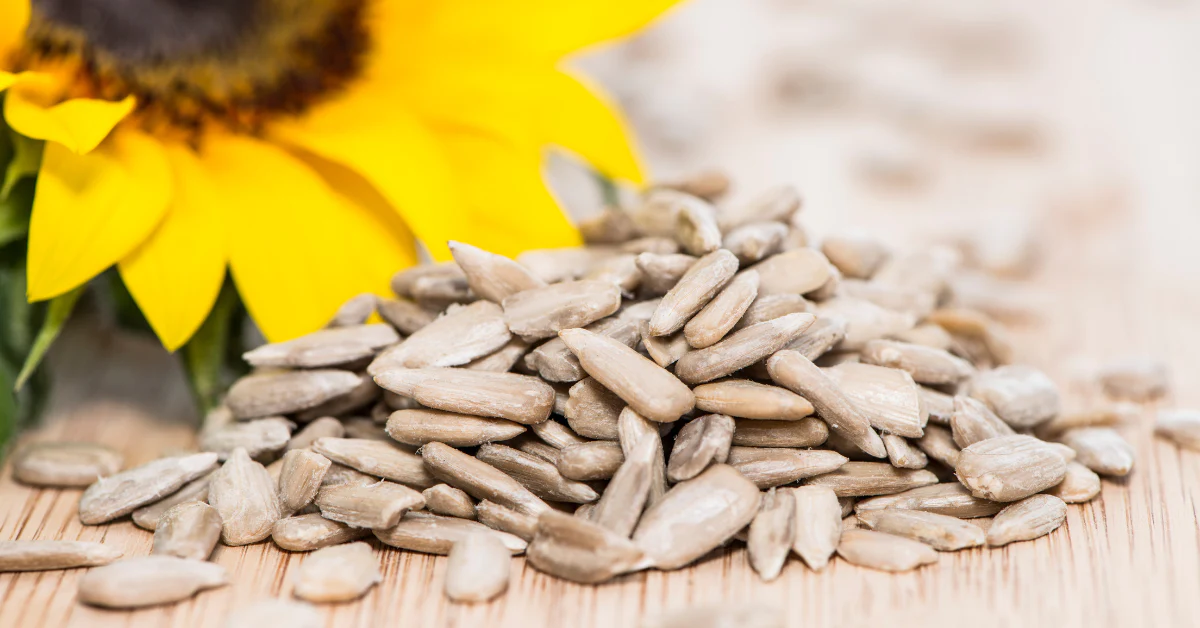
Sunflower seeds are composed of three primary components: the hull (pericarp, approximately 20-30% by weight), the kernel (cotyledon, 50-60%), and the embryo (5-10%). The hull’s composition is primarily cellulose, hemicellulose, and lignin, providing structural integrity. The kernel consists largely of lipids (40-55%, predominantly linoleic acid and oleic acid), proteins (20-25%), carbohydrates (15-20%), and trace elements. Manufacturing begins with field cultivation, focusing on hybrid varieties bred for large seed size and oil content. Harvesting timing is crucial, aiming for optimal moisture content (around 10-12%) to minimize cracking and breakage during processing. Post-harvest, cleaning removes debris (stalks, leaves, stones). Grading employs mechanical sizing screens to separate seeds based on diameter. Further processing involves destoning (removal of small stones), de-hulling (optional, depending on final product), drying (to 8-9% moisture content to prevent fungal growth), and potentially flavoring/coating. Drying is a critical parameter, typically utilizing controlled-temperature airflow systems. Improper drying leads to rancidity or cracking. Parameter control during drying focuses on air temperature (40-60°C), airflow rate, and seed bed depth to ensure uniform moisture removal without damaging the kernel.
Performance & Engineering
The mechanical performance of large sunflower seeds is critical for handling and processing. Force analysis during shelling (either manual or mechanical) reveals the force required to fracture the hull without damaging the kernel. This is influenced by hull thickness, moisture content, and the presence of micro-cracks. Environmental resistance focuses on preventing lipid oxidation (rancidity) and maintaining structural integrity during storage. Packaging materials with low oxygen transmission rates (OTR) are essential. Exposure to elevated temperatures and humidity accelerates deterioration. Compliance requirements pertain to food safety regulations, including mycotoxin levels (aflatoxins, ochratoxins) as defined by regulatory bodies like the FDA and EFSA. Functional implementation considerations include conveying systems (pneumatic or mechanical) within processing plants, designed to minimize impact and breakage. Hull strength is a key engineering parameter influencing conveying system design. Furthermore, the oil content directly impacts caloric density and nutritional labeling requirements. Seed density also plays a role in pneumatic conveying efficiency. Achieving consistent large particle size requires optimized processing to minimize fines (small broken pieces) which reduce product quality.
Technical Specifications
| Parameter | Unit | Specification (Typical) | Test Method |
|---|---|---|---|
| Seed Diameter | mm | ≥ 6.35 | Sieve Analysis (ASTM E11) |
| Kernel Fullness | % | ≥ 58 | Weight Ratio (Kernel Weight / Seed Weight) |
| Moisture Content | % | 8 - 9 | Oven Drying Method (AACC Method 915.04) |
| Oil Content (Kernel) | % | 48 - 58 | Soxhlet Extraction (AOCS Official Method Ak 3.25) |
| Broken Kernels & Foreign Matter | % | ≤ 3 | Visual Inspection & Sieving |
| Aflatoxin Level | ppb | ≤ 20 | ELISA Assay (AOAC Official Method 2000.03) |
Failure Mode & Maintenance
Failure modes for large particle sunflower seeds can be categorized as physical, chemical, and biological. Physical failures include hull cracking during processing/handling due to impact or stress concentration. Kernel fracturing results from excessive force during shelling or inadequate drying. Chemical failures manifest as lipid oxidation (rancidity) leading to off-flavors and reduced nutritional value, accelerated by exposure to oxygen, light, and heat. Degradation of unsaturated fatty acids is the primary chemical failure mechanism. Biological failures encompass fungal contamination (e.g., Aspergillus species producing aflatoxins) and insect infestation, particularly during storage. Maintenance strategies focus on preventive measures: controlling moisture content during drying and storage; utilizing oxygen-barrier packaging materials; implementing regular pest control programs; and maintaining hygienic processing equipment. Proper temperature and humidity control in storage facilities are crucial. Regular inspection for signs of mold or insect activity is essential. For damaged seeds (cracked hulls or kernels), segregation and re-processing or utilization in lower-value applications (e.g., animal feed) is recommended. Failure analysis of cracked seeds should include microscopic examination to identify the initiation point of the fracture.
Industry FAQ
Q: What is the impact of harvest timing on the final quality of large particle sunflower seeds?
A: Harvest timing significantly impacts seed moisture content. Harvesting too early results in seeds that are too pliable and prone to damage during processing. Harvesting too late can lead to field shattering and increased susceptibility to fungal growth. The ideal harvest window is when seed moisture content is between 10-12%.
Q: How does the hull thickness affect the shelling process and the resulting kernel damage?
A: Hull thickness is a critical factor. Thicker hulls require more force to crack, increasing the risk of kernel damage. Conversely, thinner hulls may crack easily but offer less protection to the kernel during handling. Optimal hull thickness is a balance between these two factors, determined by the sunflower variety and growing conditions.
Q: What packaging materials are recommended to extend the shelf life of large particle sunflower seeds and prevent rancidity?
A: Packaging materials with low oxygen transmission rates (OTR) and good moisture barrier properties are essential. Multi-layer films incorporating aluminum foil or metallized polyester are commonly used. Nitrogen flushing can further reduce oxygen levels within the package. Dark-colored packaging protects against light-induced oxidation.
Q: What are the key factors influencing aflatoxin contamination in sunflower seeds?
A: Aflatoxin contamination is primarily linked to fungal growth (Aspergillus flavus and Aspergillus parasiticus) during pre-harvest and post-harvest stages. Factors include drought stress during flowering, insect damage providing entry points for fungal infection, and improper drying/storage conditions (high humidity and temperature). Regular monitoring and proper storage are crucial.
Q: What specific sieve sizes are used in the grading process to ensure a consistent large particle size?
A: Typically, a series of sieves are used. A primary sieve with a 6.35mm aperture is used to separate large seeds from smaller ones. Subsequent sieves with smaller apertures may be used to remove oversized seeds or fines. The specific sieve stack configuration depends on the desired particle size distribution and the equipment used.
Conclusion
Large particle size sunflower seeds represent a specialized segment within the broader sunflower seed market, requiring meticulous attention to agricultural practices, processing parameters, and storage conditions. Maintaining consistent seed size, optimizing kernel fullness, and preventing deterioration (oxidation, fungal contamination) are paramount for achieving high-quality products. The interplay between material science (hull and kernel composition), manufacturing processes (harvesting, drying, grading), and environmental control dictates the final product characteristics and shelf life.
Future development will likely focus on breeding programs aimed at enhancing hull strength and resistance to cracking, alongside advancements in non-destructive testing methods for assessing seed quality. Innovations in packaging materials, incorporating active oxygen scavengers and improved barrier properties, will also play a critical role in extending shelf life and preserving nutritional value. Furthermore, optimized processing techniques minimizing mechanical damage will be increasingly important to meet consumer demand for a premium snacking experience.
