Introduction
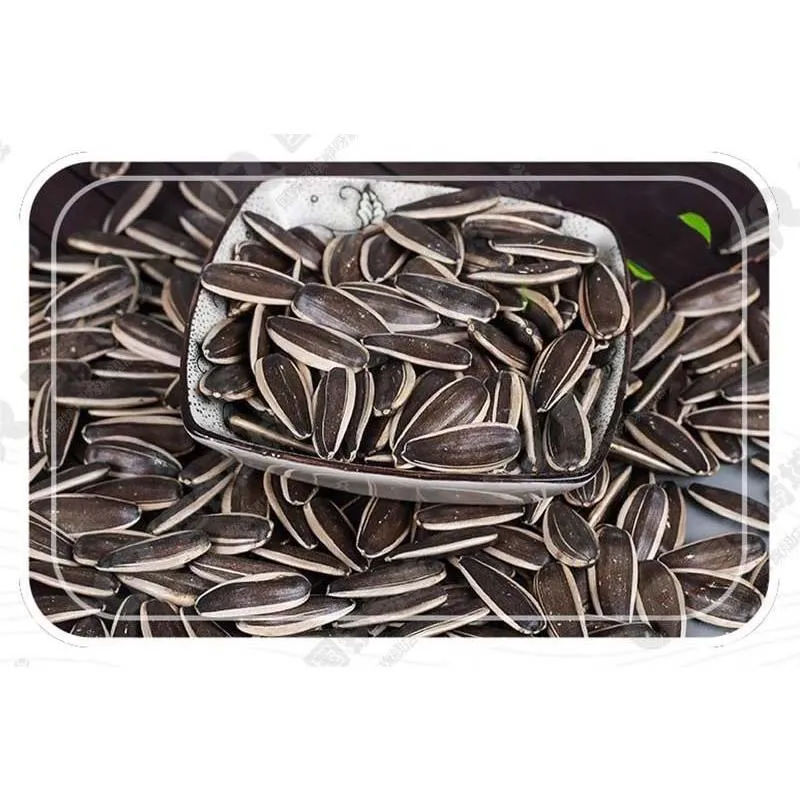
Hulled sunflower seeds ( Helianthus annuus ) represent a significant commodity within the food processing and snack food industries. Technically, they are the kernel of the sunflower seed, separated from the outer hull or pericarp. Their positioning within the agricultural supply chain falls between primary crop production and finished consumer goods. Core performance characteristics defining hulled sunflower seeds relate to their nutritional profile – particularly their high oil content, protein levels, and vitamin E concentration – and their physical attributes, including kernel size, density, and structural integrity. The industry faces increasing pressure to improve seed quality, optimize de-hulling efficiency, and mitigate the risk of mycotoxin contamination. Meeting stringent food safety standards and maintaining consistent quality are paramount concerns for producers and processors.
Material Science & Manufacturing
The primary raw material, sunflower seeds, consists of approximately 35-58% oil, 20-26% protein, 15-25% carbohydrate (primarily cellulose in the hull), and 5-10% moisture. The oil is composed predominantly of linoleic acid (60-75%) and oleic acid (15-30%), influencing its oxidative stability. Kernel hardness is related to protein content and structural arrangement. Manufacturing begins with harvesting, followed by drying to approximately 9-10% moisture content to inhibit microbial growth. De-hulling is a critical step, employing impact, friction, or a combination thereof. Modern de-hullers utilize rotating abrasive surfaces and air separation. Kernel damage during de-hulling is a major concern, leading to increased breakage and dust generation. Post-de-hulling processing involves cleaning, grading by size and density (using screens and air classifiers), and color sorting (optical sorters). Roasting, salting, or flavoring are optional steps. Critical parameters during drying include temperature (not exceeding 60°C to prevent protein denaturation) and airflow rate. De-hulling efficiency is optimized by adjusting the gap between rotating components and the seed feed rate. Maintaining consistent kernel moisture content is vital for efficient de-hulling and minimizing damage.
Performance & Engineering
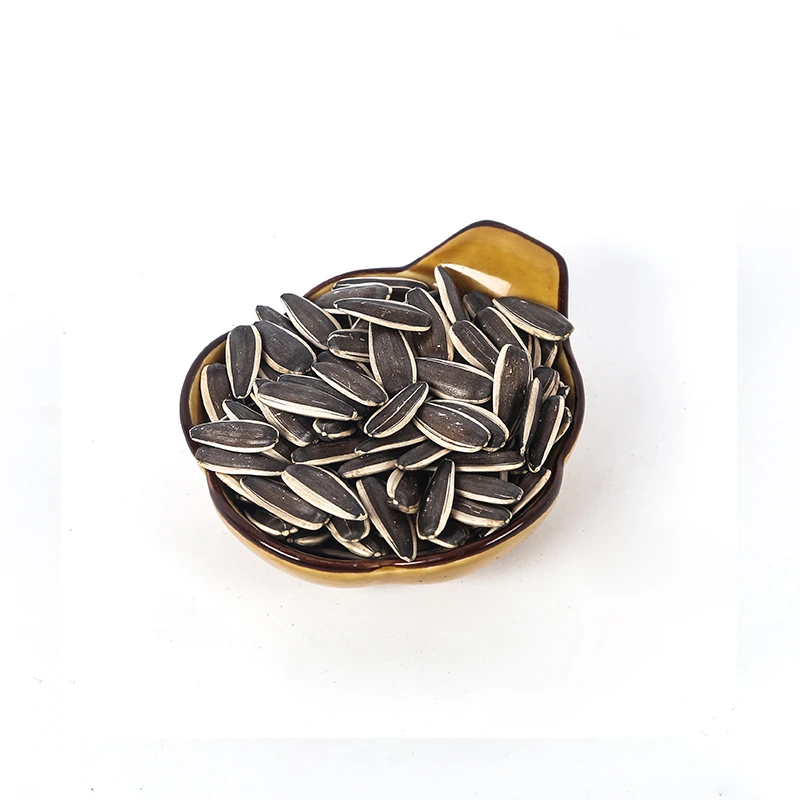
The structural integrity of hulled sunflower seeds is paramount for withstanding handling and processing. Force analysis dictates that kernels must resist cracking and chipping during transportation, sorting, and packaging. Environmental resistance focuses primarily on preventing lipid oxidation and rancidity. Oxygen transmission rate (OTR) through packaging materials is a critical factor. Storage temperature and humidity significantly influence oxidative stability; lower temperatures and lower humidity retard oxidation. Compliance requirements include adherence to food safety regulations like those established by the FDA (USA) and EFSA (Europe), specifically regarding mycotoxin levels (aflatoxins, ochratoxins). Functional implementation considers the seed's role in various food applications. In confectionary, size and shape consistency are essential. For oil extraction, kernel density and oil content determine yield and quality. Engineering considerations involve optimizing processing equipment to minimize kernel damage and maximize throughput. Packaging design must provide a barrier to moisture, oxygen, and light while maintaining product freshness and preventing contamination. Maintaining optimal temperature during storage is essential to preserve product quality and prevent lipid oxidation.
Technical Specifications
| Parameter | Unit | Typical Value | Test Method |
|---|---|---|---|
| Oil Content (Dry Basis) | % | 48-58 | Nuclear Magnetic Resonance (NMR) |
| Protein Content (Dry Basis) | % | 18-28 | Kjeldahl Method |
| Moisture Content | % | < 5 | Oven Drying Method (AOAC) |
| Kernel Size (Average Diameter) | mm | 8-12 | Sieve Analysis |
| Kernel Density | g/cm³ | 0.85-0.95 | Pycnometry |
| Aflatoxin B1 (Maximum) | ppb | < 20 | ELISA |
Failure Mode & Maintenance
Hulled sunflower seeds are susceptible to several failure modes. Lipid Oxidation & Rancidity is a primary concern, leading to off-flavors and reduced nutritional value. This is accelerated by exposure to oxygen, light, and elevated temperatures. Kernel Cracking & Fragmentation occur during handling and processing, reducing product quality and creating dust. This is often related to improper de-hulling or excessive mechanical stress. Mycotoxin Contamination (primarily aflatoxins) can occur pre-harvest or during storage, posing a significant health risk. Regular monitoring is crucial. Moisture Absorption leads to microbial growth and rancidity. Proper packaging and storage are vital. Insect Infestation can occur if seeds are not stored in airtight containers. Maintenance strategies involve implementing strict quality control procedures, employing appropriate packaging materials (oxygen barrier films), maintaining optimal storage conditions (low temperature and humidity), and regular monitoring for mycotoxins and insect activity. Equipment maintenance for de-hullers and sorting equipment is also essential to minimize kernel damage. Routine cleaning and lubrication reduce friction and prevent wear, extending the lifespan of the machinery. Preventative maintenance schedules are crucial for minimizing downtime and maintaining operational efficiency.
Industry FAQ
Q: What are the key differences between high-oleic and linoleic sunflower seeds in terms of shelf life and processing?
A: High-oleic sunflower seeds contain a higher proportion of oleic acid, a monounsaturated fatty acid, which is more resistant to oxidation compared to linoleic acid, a polyunsaturated fatty acid. This translates to a significantly longer shelf life for high-oleic seeds and oils derived from them. Processing-wise, high-oleic seeds require less antioxidant addition during oil extraction and refinement. High-oleic oil also exhibits better stability during frying, making it suitable for high-temperature applications.
Q: How does the de-hulling process impact the nutritional value of the final product?
A: Improper de-hulling can lead to kernel damage and increased breakage, resulting in nutrient loss, particularly loss of oil-soluble vitamins (like Vitamin E). Excessive friction during de-hulling can also generate heat, potentially degrading proteins and other sensitive compounds. Optimizing de-hulling parameters – seed moisture content, huller gap, and feed rate – is crucial for minimizing nutrient loss.
Q: What are the acceptable limits for mycotoxin contamination in hulled sunflower seeds, and how are these levels monitored?
A: Regulatory limits for aflatoxins vary by country, but generally, the maximum permissible level for total aflatoxins in hulled sunflower seeds is 20 ppb (parts per billion), as defined by the FDA in the United States and similar regulations in Europe. Monitoring is typically performed using ELISA (Enzyme-Linked Immunosorbent Assay) or HPLC (High-Performance Liquid Chromatography) methods. Regular testing of raw materials and finished products is essential for ensuring compliance.
Q: What packaging materials are most effective in preserving the quality and extending the shelf life of hulled sunflower seeds?
A: Packaging materials with excellent oxygen and moisture barrier properties are crucial. Multi-layer films incorporating aluminum foil, metallized polyester, or EVOH (ethylene vinyl alcohol) are commonly used. Modified atmosphere packaging (MAP), utilizing nitrogen flushing to reduce oxygen levels, can further extend shelf life. The packaging material should also be light-protective to prevent photo-oxidation.
Q: What are the key considerations for large-scale storage of hulled sunflower seeds to prevent degradation?
A: Large-scale storage requires maintaining a cool, dry, and well-ventilated environment. Ideal storage temperatures are below 20°C (68°F) and relative humidity should be kept below 65%. Regular monitoring of temperature and humidity is essential. Silos or warehouses should be designed to prevent moisture ingress and pest infestation. First-in, first-out (FIFO) inventory management is recommended to minimize storage duration.
Conclusion
Hulled sunflower seeds represent a commercially important agricultural product with applications spanning the food, feed, and oil industries. Maintaining product quality necessitates careful attention to material science, from the intrinsic properties of the seed itself to the precise control of manufacturing processes such as de-hulling and drying. Addressing the inherent challenges relating to lipid oxidation, mycotoxin contamination, and physical damage requires a holistic approach encompassing stringent quality control, appropriate packaging, and optimized storage conditions.
Future trends in the industry are likely to focus on developing improved sunflower varieties with higher oleic acid content and enhanced resistance to pests and diseases. Advancements in processing technologies, such as more efficient de-hullers and sophisticated optical sorting equipment, will further enhance product quality and reduce waste. Adherence to evolving food safety standards and sustainability practices will remain paramount for ensuring the long-term viability of the hulled sunflower seed industry.
