Introduction
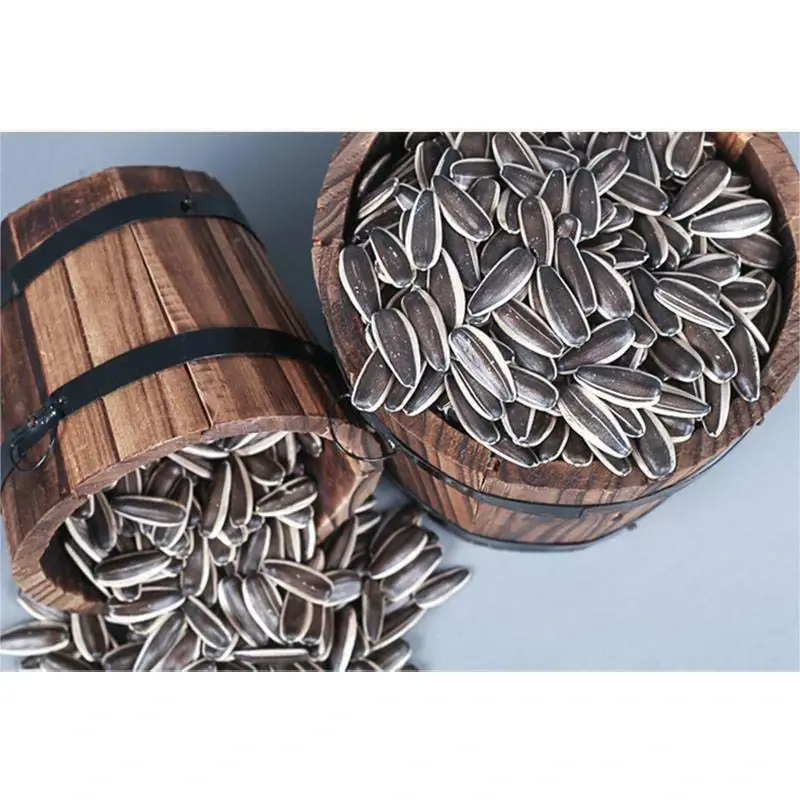
High quality woodland sunflower seeds ( Helianthus annuus var. woodland) represent a specialized cultivar optimized for wildlife sustenance and ecological restoration. Positioned within the agricultural supply chain as a secondary crop, primarily for non-human consumption, these seeds differ significantly from confectionary sunflower seeds intended for direct human food use. Core performance characteristics center on oil content, hull integrity, germination rate, and nutritional value for avian and mammalian species. The increasing demand stems from habitat loss and a growing emphasis on biodiversity support, particularly amongst land managers, conservation organizations, and increasingly, the recreational hunting and birdwatching sectors. Unlike hybrid varieties bred for maximum yield, woodland sunflower seeds prioritize genetic diversity and resilience, yielding a seed stock better suited to fluctuating environmental conditions and offering enhanced benefits to local ecosystems.
Material Science & Manufacturing
The raw material, the woodland sunflower seed, consists of a pericarp (hull), kernel (cotyledon), and embryo. The pericarp is composed primarily of cellulose and lignin, providing structural integrity and resistance to physical damage. Its thickness is a critical factor in preventing premature germination and protecting the kernel from environmental stressors. The kernel's composition is dominated by lipids (40-50%), proteins (20-25%), carbohydrates (15-20%), and fiber. Lipid composition varies based on genotype and growing conditions but typically features a high proportion of linoleic acid. Manufacturing begins with controlled pollination to maintain genetic purity. Seeds are harvested when mature (indicated by a darkened seed head and dry hulls). Post-harvest processing involves drying to a moisture content of approximately 10% to prevent fungal growth and preserve viability. Cleaning removes debris (chaff, stems, leaves) using a combination of screening, aspiration, and occasionally, density separation. Hull integrity is assessed visually and through mechanical testing. A crucial parameter is the thousand-kernel weight (TKW), indicative of seed fill and overall quality. Seed coatings, if applied, typically consist of clay or polymer-based materials to improve flowability, protect against pests, and enhance germination rates. Quality control relies heavily on seed testing laboratories adhering to standards outlined by seed certification agencies.
Performance & Engineering
Performance of woodland sunflower seeds is assessed primarily through germination rate, seedling vigor, and nutritional content. Germination rate is influenced by seed dormancy, temperature, moisture availability, and seedbed contact. Seed dormancy, a physiological state preventing immediate germination, is broken by stratification (cold, moist storage). Seedling vigor, a measure of initial growth rate and resilience, is critical for establishment in competitive environments. Engineering considerations focus on optimizing seed delivery methods for large-scale plantings. Broadcast seeding relies on uniform seed distribution, which is affected by seed shape, size, and flowability. Drill seeding requires consistent seed metering and precise depth control. Environmental resistance is paramount; seeds must withstand temperature fluctuations, moisture extremes, and predation. Hull strength provides physical protection, while oil content contributes to energy reserves for germination and early growth. Compliance requirements are dictated by seed certification agencies (e.g., Association of Official Seed Certifying Agencies - AOSCA) and regulations concerning weed seed contamination and prohibited noxious weeds. The ability of the seed to thrive in varying soil pH levels and nutrient availability dictates its overall ecological success. Force analysis during seeding operations considers the impact forces on seed hulls, aiming to minimize damage and maximize viability.
Technical Specifications
| Parameter | Unit | Specification (Grade A) | Specification (Grade B) |
|---|---|---|---|
| Germination Rate | % | ≥ 85 | 75 - 84 |
| Oil Content | % (Dry Weight Basis) | 45 - 55 | 40 - 44 |
| Moisture Content | % | ≤ 10 | 10.1 - 12 |
| Thousand Kernel Weight (TKW) | g | ≥ 6.0 | 5.5 - 5.9 |
| Hull Integrity (Unbroken Hulls) | % | ≥ 95 | 90 - 94 |
| Inert Matter (Chaff, Stems, Leaves) | % | ≤ 2 | 2.1 - 5 |
Failure Mode & Maintenance
Failure modes for woodland sunflower seeds primarily revolve around reduced germination and compromised seedling vigor. Common causes include mechanical damage to the hull during harvesting and processing, leading to increased susceptibility to fungal infection. Botrytis cinerea (gray mold) and Sclerotinia sclerotiorum (white mold) are prevalent pathogens. Lipid peroxidation, caused by prolonged storage and exposure to oxygen, reduces seed viability. Insect damage (e.g., seed weevils) can directly impact kernel quality. Premature germination, triggered by fluctuating temperatures or high moisture content during storage, results in seed deterioration. Maintenance involves proper storage conditions: cool (4-10°C), dry (<60% relative humidity), and dark. Regular monitoring for insect activity is essential. Seed treatments with fungicides and insecticides can provide protection, but must comply with relevant regulations. Periodic viability testing is recommended to assess seed quality over time. To mitigate mechanical damage, careful calibration of harvesting and processing equipment is crucial. Selection of seed lots with high hull strength and low initial damage is also a proactive measure. Seed dormancy can be artificially broken via controlled stratification if required to achieve uniform germination.
Industry FAQ
Q: What is the impact of seed size variation within a lot on precision seeding equipment?
A: Significant seed size variation can disrupt the consistent metering of seeds in precision drills, leading to uneven plant spacing and reduced emergence rates. Equipment manufacturers specify acceptable size ranges; exceeding these ranges necessitates adjustments to seeding parameters or the use of seed sizing equipment. High coefficient of variation in TKW indicates potential issues.
Q: How does oil content correlate with winter survival rates of seedlings?
A: Higher oil content provides a greater energy reserve for seedlings, increasing their ability to withstand cold stress and establish before winter. Oil reserves fuel metabolic processes essential for hardening off and developing frost resistance. However, excessive oil content can also make seeds more susceptible to oxidative damage during storage.
Q: What are the primary contaminants to be concerned with, and how are they monitored?
A: Primary contaminants include weed seeds (particularly noxious weeds regulated by governing bodies), fungal pathogens, and inert matter. Monitoring involves laboratory seed testing following standardized procedures outlined by AOSCA. Specific tests include purity analysis (to determine weed seed content) and health testing (to detect fungal pathogens).
Q: What stratification protocols are recommended for optimal germination in temperate climates?
A: A standard stratification protocol involves exposing seeds to temperatures between 1-5°C for 4-8 weeks in a moist medium (e.g., sand, vermiculite). Maintaining consistent moisture is critical; seeds should not be allowed to dry out. The duration of stratification may vary depending on the specific woodland sunflower cultivar.
Q: How do different hull thicknesses affect resistance to bird predation?
A: Thicker hulls offer greater physical resistance to avian beak pressure, reducing seed predation rates. However, excessively thick hulls can hinder germination by impeding water uptake. An optimal hull thickness represents a balance between physical protection and germination potential.
Conclusion
High quality woodland sunflower seeds are a crucial component of ecological restoration and wildlife habitat management. Their performance is determined by a complex interplay of material properties, manufacturing processes, and environmental factors. Maintaining high germination rates, adequate oil content, and hull integrity are paramount for successful establishment and long-term ecological benefit. Rigorous quality control measures and adherence to industry standards are essential to ensure seed viability and meet the evolving needs of conservation efforts.
Future development will likely focus on breeding cultivars with enhanced resistance to fungal pathogens, improved cold tolerance, and optimized hull characteristics. Advancements in seed coating technologies and precision seeding equipment will further enhance seedling establishment and reduce reliance on traditional agricultural practices. Continued research into the genetic diversity of woodland sunflower varieties is vital for preserving adaptability and ensuring long-term resilience in changing environments.
