Introduction
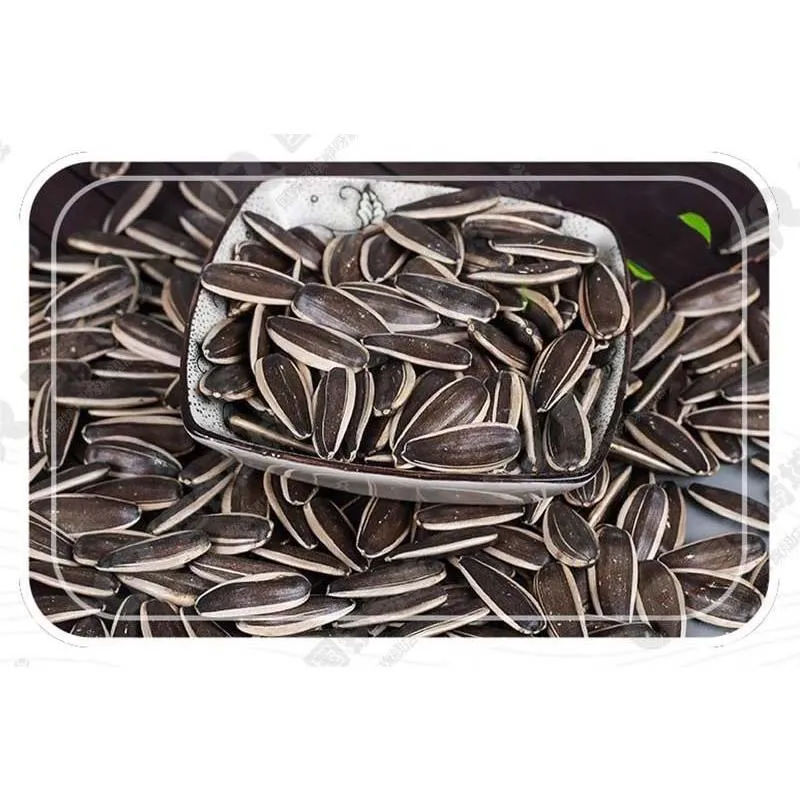
Wild sunflower seeds ( Helianthus annuus) represent a critical component within the agricultural supply chain, primarily utilized for wildlife forage, oil production, and increasingly, as a cover crop for soil health enhancement. Their technical position stems from a complex interplay of genetics, agronomic practices, and post-harvest processing. Unlike cultivated sunflower varieties bred for maximized seed size and oil content, wild sunflowers prioritize reproductive success via prolific seed set, leading to a greater number of smaller seeds. Core performance metrics include germination rate, oil content percentage, seed dormancy characteristics, and resistance to common pathogens and pests. Maintaining high genetic purity and viability are paramount concerns for seed producers aiming to meet the diverse needs of their customer base, ranging from large-scale agricultural operations to individual landowners focused on habitat restoration. The demand for high-quality seeds is driven by increased awareness of the ecological benefits of native plant species and a growing market for non-GMO food sources. This guide provides a comprehensive technical overview of wild sunflower seed production, focusing on material science, manufacturing processes, performance characteristics, potential failure modes, and relevant industry standards.
Material Science & Manufacturing
The raw material, the sunflower seed, is composed primarily of lipid (40-50%), protein (20-25%), carbohydrates (15-20%), and fiber (5-10%), with trace amounts of vitamins and minerals. The lipid component consists predominantly of linoleic acid (an omega-6 fatty acid) and oleic acid (an omega-9 fatty acid), impacting oil quality and stability. Seed coat composition, consisting of lignocellulose, provides physical protection during storage and germination. Manufacturing begins with careful selection of parent plants exhibiting desired traits (high seed yield, disease resistance, genetic purity). Hybridization, primarily utilizing open pollination due to the inherent complexities of controlled pollination in sunflowers, leads to seed development within the capitulum (flower head). Harvest timing is crucial, requiring a balance between seed maturity (indicated by seed moisture content of approximately 13-15%) and minimizing pre-harvest seed loss. Mechanical harvesting employs combines equipped with specialized heads to strip seeds from the flower heads. Post-harvest processing involves cleaning (removing chaff, stems, and other debris) using screens, air separators, and destoners. Seed drying, typically using forced-air dryers, reduces moisture content to 8-10% for long-term storage. Seed sizing and grading are conducted based on seed diameter and weight, ensuring uniformity and quality control. Chemical treatment with fungicides and insecticides may be applied to protect against storage pests and pathogens, adhering to strict regulatory guidelines. Critical parameters controlled during manufacturing include seed moisture content, temperature during drying, cleaning efficiency, and the concentration of any applied chemical treatments. Proper calibration of harvesting and processing equipment is essential for minimizing seed damage and maximizing yield.
Performance & Engineering
Seed performance is fundamentally linked to germination rate, seedling vigor, and oil yield potential. Germination rate is influenced by seed viability, dormancy, and environmental factors (temperature, moisture, oxygen availability). Seed dormancy, a physiological state preventing immediate germination, is regulated by hormonal balances (abscisic acid and gibberellic acid) within the seed. Engineering considerations focus on optimizing seed packaging to maintain seed viability during storage and transport. Packaging materials must provide a moisture barrier, protect against physical damage, and minimize gas exchange. Force analysis during handling and processing (impact resistance, compression strength) is critical to prevent seed cracking and damage to the seed coat. Environmental resistance is paramount; seeds must withstand fluctuations in temperature, humidity, and exposure to ultraviolet radiation during storage. Compliance requirements vary depending on intended use. For wildlife forage, certification verifying seed purity and freedom from noxious weed seeds is often required. For oil production, seed quality standards dictate acceptable levels of contaminants and oil content. For use as a cover crop, seed germination rate and establishment success are key performance indicators. Seed treatment effectiveness is evaluated through bioassays and pathogen/pest identification. Long-term storage stability is assessed through accelerated aging tests, simulating prolonged exposure to elevated temperatures and humidity. Mathematical models are employed to predict germination rates based on seed age and storage conditions.
Technical Specifications
| Parameter | Unit | Specification (High Quality Wild Sunflower Seeds) | Testing Method |
|---|---|---|---|
| Germination Rate | % | ≥ 85% | ISTA Method 7000 |
| Moisture Content | % | ≤ 10% | ISTA Method 2000 |
| Oil Content | % (Dry Weight Basis) | 38 – 45% | AOAC Method 920.39 |
| Purity (Other Crop Seeds) | % | ≤ 0.5% | ISTA Method 6000 |
| Inert Matter | % | ≤ 2.0% | ISTA Method 6000 |
| Seed Size (Diameter) | mm | 6-10 mm | Sieve Analysis |
Failure Mode & Maintenance
Failure modes in wild sunflower seeds can be broadly categorized into physical damage, physiological deterioration, and biological attack. Physical damage, including seed coat cracking and abrasion, occurs during harvesting, processing, and handling, reducing germination rates. Physiological deterioration arises from seed aging, improper storage conditions (high temperature, humidity), and lipid peroxidation, leading to reduced viability and seedling vigor. Biological attack includes fungal infections (e.g., Alternaria, Fusarium) causing seed rot and reduced germination, and insect infestations (e.g., weevils, moths) leading to seed consumption and damage. Maintenance strategies focus on preventing these failure modes. Proper harvesting techniques minimize seed damage. Optimized drying and storage conditions (low temperature, humidity control, airtight containers) prevent physiological deterioration. Seed treatment with fungicides and insecticides provides protection against biological attack. Regular monitoring of seed stocks for signs of infestation or deterioration is essential. Implementing a first-in, first-out (FIFO) inventory management system ensures that older seed lots are utilized before newer ones. Seed testing should be conducted periodically to assess germination rates and viability. For long-term storage, cold storage (4-10°C) is recommended to slow down metabolic processes and extend seed viability. Seed revitalization techniques, such as priming (controlled hydration), can improve germination rates in aged seed lots. Thorough cleaning of storage facilities and equipment prevents the buildup of pests and pathogens.
Industry FAQ
Q: What is the optimal storage temperature for maintaining long-term seed viability?
A: The optimal storage temperature is between 4-10°C (39-50°F). Lower temperatures significantly slow down metabolic processes within the seed, extending its longevity. It’s crucial to also maintain low humidity (below 50%) and ensure airtight storage containers to prevent moisture absorption.
Q: How does seed dormancy affect germination rates and what can be done to overcome it?
A: Seed dormancy is a natural physiological state preventing premature germination. It's regulated by hormonal balances within the seed. Factors like light exposure, temperature fluctuations, and scarification (mechanical abrasion of the seed coat) can help break dormancy. Seed priming, a controlled hydration process, is also effective in overcoming dormancy and improving germination rates.
Q: What are the key indicators of fungal contamination in a seed lot, and how can it be prevented?
A: Visible signs of fungal contamination include discoloration of the seeds (e.g., black, gray, or green mold), a musty odor, and reduced germination rates. Prevention involves thorough seed cleaning, proper drying to reduce moisture content, and seed treatment with appropriate fungicides. Maintaining sanitary storage conditions and regular monitoring are also critical.
Q: What is the significance of oil content percentage in wild sunflower seeds, and how does it impact their end-use applications?
A: Oil content percentage directly correlates with the potential yield of oil if the seeds are intended for oil extraction. Higher oil content generally translates to greater economic value. It also influences the energy density of the seeds when used as wildlife forage. Variations in fatty acid composition (linoleic vs. oleic acid) affect oil stability and suitability for different applications.
Q: How do different harvesting methods (mechanical vs. manual) impact seed quality and yield?
A: Mechanical harvesting is more efficient for large-scale production but can result in higher levels of seed damage and contamination with plant debris. Manual harvesting, while more labor-intensive, generally yields higher quality seeds with lower damage rates. Proper calibration and maintenance of harvesting equipment are crucial for minimizing seed loss and maximizing quality with mechanical methods.
Conclusion
High-quality wild sunflower seeds are more than just a planting material; they represent a complex integration of genetic characteristics, agronomic practices, and post-harvest processing techniques. Maintaining consistent seed quality—characterized by high germination rates, optimal oil content, and minimal contamination—is paramount for ensuring successful crop establishment, maximizing yield, and meeting the demands of diverse end-use applications. Understanding the material science underpinning seed composition, the potential failure modes during storage, and the relevant industry standards is crucial for producers and consumers alike.
Future advancements in seed technology will likely focus on developing cultivars with enhanced disease resistance, improved oil profiles, and increased tolerance to environmental stresses. Further research into seed priming techniques and advanced storage methods will also play a key role in extending seed viability and optimizing performance. The increasing demand for sustainable and ecologically sound agricultural practices positions wild sunflower seeds as a valuable resource for both commercial production and habitat restoration efforts.
