Introduction
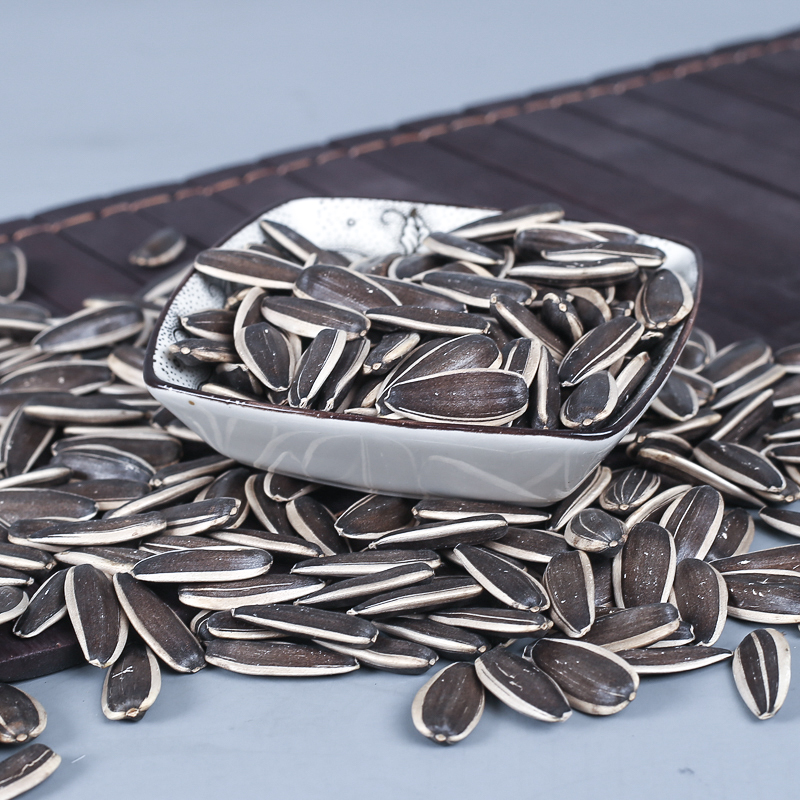
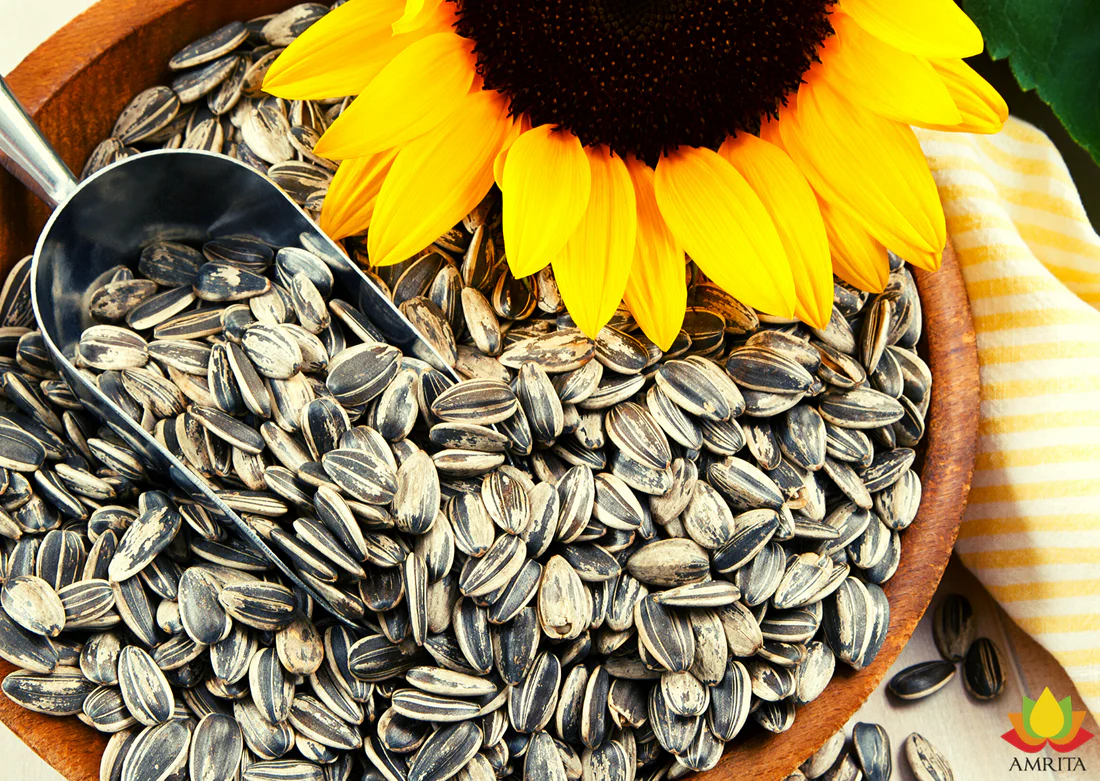
High quality wild dutchman sunflower seeds ( Helianthus decapetalus) represent a critical component in ecological restoration, wildlife habitat management, and increasingly, specialized agricultural applications. Unlike conventional, cultivated sunflower varieties, wild dutchman sunflowers exhibit a remarkable resilience to adverse environmental conditions and possess distinct genetic traits optimized for natural propagation and biodiversity support. Their position within the agricultural supply chain spans from seed production and processing to direct end-use in land rehabilitation projects, forage provision for livestock, and as a source of oil and protein. Core performance characteristics include high germination rates, vigorous growth even in poor soil conditions, and superior seed production volume compared to many other native plant species. Understanding the nuances of these seeds – from genetic origin and compositional analysis to optimal planting and maintenance protocols – is paramount for maximizing their effectiveness and ensuring long-term ecological and economic viability. The current market reflects a growing demand driven by initiatives focused on pollinator health, erosion control, and sustainable land management practices.
Material Science & Manufacturing
The inherent quality of wild dutchman sunflower seeds begins with the material science of the seed itself. The seed's hull, or pericarp, is composed primarily of cellulose and lignin, providing a protective barrier against physical damage and premature germination. Its mechanical strength (tensile strength ranging from 25-40 MPa depending on maturity) is vital for withstanding handling and transport. Internally, the seed contains the embryo, endosperm (a rich source of carbohydrates, proteins, and lipids), and a small seed coat. Lipid content, typically 40-55% by weight, is dominated by linoleic acid (approximately 60-70%) and oleic acid (15-30%), influencing oil quality for potential industrial applications. Protein content ranges from 18-25%, with a favorable amino acid profile for wildlife consumption.
Manufacturing processes are relatively straightforward but critical for maintaining seed viability. Harvesting is typically conducted mechanically when the seed heads are fully mature and dry (moisture content below 10%). Subsequent threshing separates the seeds from the seed heads. Cleaning processes – utilizing screens, air separation, and often gravity tables – remove chaff, stems, and other debris. Seed sizing is performed to ensure uniformity. Crucially, storage conditions are paramount. Seeds must be stored in cool (4-10°C), dry (<6% moisture content), and dark environments to prevent lipid oxidation and maintain germination rates. Seed treatment, involving fungicide application to prevent fungal diseases during storage and germination, is frequently employed. Parameter control focuses on maintaining seed moisture content, minimizing mechanical damage during processing, and monitoring for seed-borne pathogens. Properly controlled drying methods (e.g., forced-air drying) are essential to prevent thermal damage to the embryo.
Performance & Engineering
The performance of wild dutchman sunflower seeds is fundamentally tied to their germination rate and subsequent plant vigor. Germination is influenced by temperature (optimal range 20-25°C), moisture availability, and oxygen levels. Soil type significantly impacts root development and nutrient uptake. These plants exhibit a taproot system capable of reaching depths of up to 1.5 meters, providing resilience to drought conditions. Stem strength, measured through flexural rigidity, is critical for withstanding wind loads, particularly in exposed environments. Force analysis reveals that mature plants can withstand wind speeds up to 80 km/h before experiencing significant lodging (stem breakage).
Environmental resistance is a key differentiator. Wild dutchman sunflowers demonstrate tolerance to a wide range of soil pH levels (5.5-8.0) and salinity. Their allelopathic properties – the release of biochemicals that inhibit the growth of competing plant species – contribute to their success in disturbed habitats. Compliance requirements vary depending on the intended application. For seed sales intended for habitat restoration projects, adherence to state and federal native seed laws is mandatory, ensuring genetic purity and provenance documentation. For agricultural use, compliance with pesticide regulations and seed quality standards (e.g., germination rate, purity) is essential. Functional implementation in ecological restoration projects relies on optimized seeding rates, soil preparation techniques, and post-planting weed control measures. Proper site assessment and species selection are paramount for maximizing success rates.
Technical Specifications
| Parameter | Unit | Typical Value (Range) | Test Method |
|---|---|---|---|
| Germination Rate | % | 85-95 | ISTA Method |
| Seed Purity | % | 98-99.5 | ISTA Method |
| Moisture Content | % | 6-8 | Oven Drying Method |
| Oil Content | % (dry weight basis) | 40-55 | Soxhlet Extraction |
| Protein Content | % (dry weight basis) | 18-25 | Kjeldahl Method |
| 1000-Seed Weight | g | 5-8 | Direct Weighing |
Failure Mode & Maintenance
Failure modes in wild dutchman sunflower seed performance predominantly stem from compromised seed viability. Pre-planting failures can occur due to insufficient moisture, temperature extremes, or seed predation by insects and birds. Post-emergence failures are often attributable to fungal diseases (e.g., Sclerotinia, Phomopsis) – particularly in humid environments – or competition from invasive weed species. Seedling damping-off, caused by Pythium and Rhizoctonia fungi, is a common issue. Mechanical damage during handling or planting can also lead to reduced germination rates. Lipid oxidation during prolonged storage results in decreased energy reserves for germination and reduced seedling vigor.
Maintenance strategies focus on preventative measures. Implementing proper storage protocols (cool, dry, dark) is paramount. Seed treatment with appropriate fungicides can mitigate disease risk. Optimizing planting depth and timing based on local climate conditions maximizes germination success. Post-planting weed control – through manual removal, herbicides (used judiciously), or cover cropping – is essential for reducing competition. Monitoring for pest infestations and implementing integrated pest management strategies helps minimize seed predation. In cases of suspected seed-borne diseases, diagnostic testing and seed lot replacement are recommended. Long-term monitoring of established plantings is crucial for identifying and addressing potential environmental stressors.
Industry FAQ
Q: What is the minimum acceptable germination rate for a high-quality wild dutchman sunflower seed lot intended for large-scale restoration projects?
A: For large-scale restoration projects, a minimum germination rate of 85% is generally considered acceptable, however, 90% or higher is preferred to account for potential losses due to environmental factors and planting inconsistencies. Below 80% warrants careful consideration and potential rejection of the seed lot, especially if the project has strict performance targets.
Q: How does seed source (geographic origin) impact the adaptability of wild dutchman sunflowers to different climates?
A: Seed source is critically important. Sunflowers adapted to arid climates will exhibit greater drought tolerance, while those from cooler regions may be more susceptible to heat stress. Using seeds sourced from regions with similar climatic conditions to the restoration site significantly increases the likelihood of successful establishment and long-term survival. Genetic testing to verify provenance is increasingly common.
Q: What are the primary methods for controlling weed competition in wild dutchman sunflower plantings?
A: Weed control methods include manual removal (labor intensive but effective for small areas), pre-emergent herbicides (applied before sunflower emergence), and post-emergent herbicides (applied after sunflowers have emerged, requiring selective application). Cover cropping with fast-growing species can suppress weed growth. Strategic timing of planting can also exploit competitive advantages of sunflowers.
Q: How long can wild dutchman sunflower seeds be stored without significant loss of viability?
A: Under optimal storage conditions (4-10°C, <6% moisture content, dark environment), wild dutchman sunflower seeds can maintain viable germination rates for up to 5-7 years. However, germination rates will gradually decline over time. Regular germination testing is recommended to monitor seed quality during storage.
Q: What is the role of allelopathy in the success of wild dutchman sunflower restoration efforts?
A: Allelopathy plays a significant role. Wild dutchman sunflowers release biochemicals that inhibit the germination and growth of certain weed species, giving them a competitive advantage during establishment. This natural allelopathic effect reduces the need for herbicide applications and contributes to the long-term sustainability of the restoration project.
Conclusion
High quality wild dutchman sunflower seeds represent a powerful tool for ecological restoration and sustainable land management. Their inherent resilience, coupled with a thorough understanding of their material properties, manufacturing requirements, and performance characteristics, is essential for achieving successful outcomes. Proper seed sourcing, storage, and planting techniques are paramount for maximizing germination rates and establishing healthy, self-sustaining populations.
Looking forward, continued research focused on genetic improvement, disease resistance, and optimized agronomic practices will further enhance the utility of these valuable seeds. The increasing demand for native plant species in habitat restoration projects ensures a continued role for wild dutchman sunflowers in promoting biodiversity, supporting pollinator health, and mitigating environmental degradation. The consistent adherence to established standards and a dedication to quality control are critical to maintaining the integrity and efficacy of this essential resource.
