Introduction
High quality whole 30 sunflower seeds represent a specific segment within the broader sunflower seed market, distinguished by their adherence to the Whole30 protocol and superior seed quality. Sunflower seeds ( Helianthus annuus ) have been cultivated for millennia, initially for their oil content, and subsequently for direct consumption. These seeds occupy a critical position in the plant-based protein and healthy fat supply chain, finding application in snacks, baking, confectionery, and increasingly, as a standalone nutritional food source. The Whole30 designation signifies a commitment to sourcing and processing methods that exclude grains, legumes, dairy, added sugars, and artificial additives, appealing to a health-conscious consumer base focused on eliminating potentially inflammatory food groups. Core performance characteristics defining high-quality Whole30 sunflower seeds include high oil content (specifically linoleic acid), protein concentration, minimal levels of aflatoxins and other mycotoxins, appropriate moisture content for storage stability, and a pleasing flavor profile indicative of proper maturity and post-harvest handling. This guide provides an in-depth technical examination of these seeds, covering material science, manufacturing, performance, failure modes, and relevant industry standards.
Material Science & Manufacturing
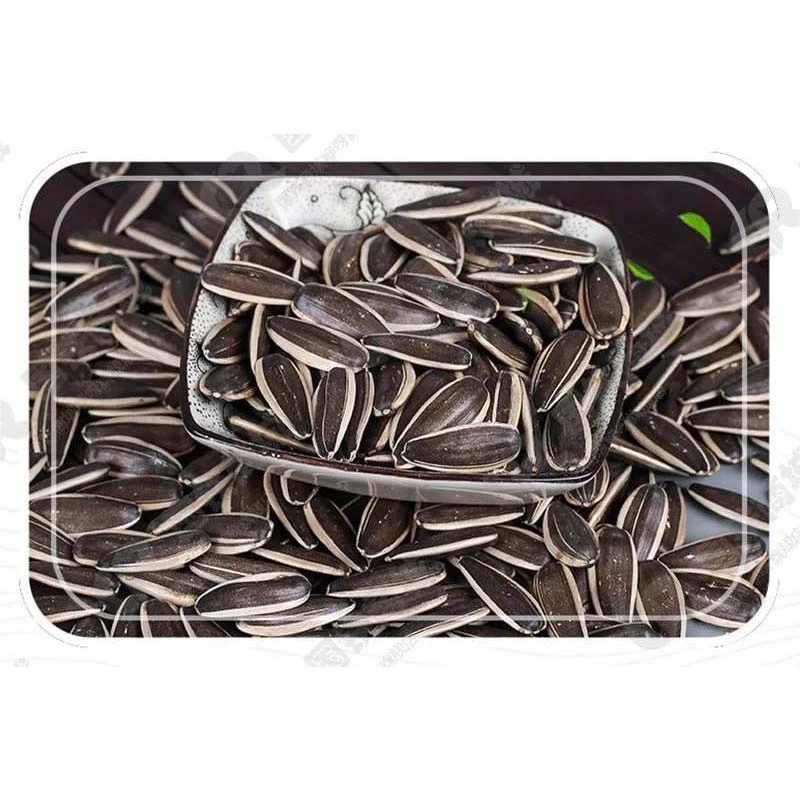
Sunflower seeds, botanically achenes, comprise three main components: the hull (pericarp), the kernel (cotyledon), and the embryo. The hull constitutes approximately 20-30% of the seed's weight and is primarily composed of cellulose, hemicellulose, and lignin, providing structural rigidity. The kernel, the edible portion, is rich in oil (40-55%), protein (20-25%), and fiber. The oil is primarily composed of linoleic acid (around 60%), an essential omega-6 fatty acid, along with oleic acid (around 20-30%) and palmitic acid (around 5-10%). Manufacturing begins with harvesting at physiological maturity, indicated by a dark kernel color and low moisture content (around 9-12%). Post-harvest processing involves cleaning to remove debris, drying to further reduce moisture to 6-8% for storage stability, dehulling (removal of the pericarp – often mechanical abrasion or cracking), sizing (separation based on kernel size using screens), and final cleaning. For Whole30 compliance, meticulous attention must be paid to avoiding cross-contamination with prohibited ingredients during processing. Critical parameters include dehulling efficiency (minimizing kernel damage), drying temperature (preventing oil oxidation – maintaining below 45°C is optimal), and storage conditions (cool, dry environment with humidity below 60%). The protein within the kernel exists as globulins and albumins, influencing the seed’s nutritional value and potential allergenicity. Seed color is determined by pigment concentration, mainly carotenoids, and can indicate antioxidant levels. Oil extraction methods (mechanical pressing vs. solvent extraction) impact oil quality and residual solvent levels, requiring strict control for food safety.
Performance & Engineering
The performance of sunflower seeds is critically linked to their physical and chemical integrity. From an engineering perspective, the hull’s tensile strength dictates its resistance to cracking during processing and handling. A higher hull strength minimizes kernel breakage, preserving yield. Oil stability, measured by the Peroxide Value (PV) and Anisidine Value (AV), is a key indicator of oxidative rancidity. Lower PV and AV values signify higher oil quality and longer shelf life. Environmental resistance concerns center around moisture uptake, which promotes fungal growth and aflatoxin production. Proper packaging (moisture barrier films) and controlled storage are vital. Whole30 compliance necessitates rigorous allergen control, as sunflower seeds, though not a common allergen, can induce reactions in sensitive individuals. Force analysis during dehulling reveals the energy required to separate the kernel from the hull, optimizing mechanical processing parameters. Thermal stability during roasting (if applicable) is paramount; excessive temperatures degrade oil quality and protein structure. Furthermore, the seeds’ ability to withstand compression during packaging and transportation without significant kernel damage is an essential performance characteristic. The presence of phytosterols contributes to cholesterol-lowering effects, a key benefit associated with sunflower seed consumption. The physical dimension of the kernel impacts milling/grinding performance, particularly when used in flour or nut butter production.
Technical Specifications
| Parameter | Unit | Specification (High Quality Whole30) | Test Method |
|---|---|---|---|
| Oil Content (Dry Basis) | % | 48-55 | AOAC 920.39 |
| Protein Content (Dry Basis) | % | 22-27 | AOAC 978.18 |
| Moisture Content | % | 6-8 | AOAC 925.10 |
| Peroxide Value (PV) | meq O2/kg | < 5 | AOCS Cd 8-53 |
| Aflatoxin B1 | ppb | < 2 | HPLC-FLD |
| Kernel Size (Average Diameter) | mm | 8-12 | Sieve Analysis |
| Linoleic Acid Content | % of Total Fat | >58 | Gas Chromatography |
Failure Mode & Maintenance
Sunflower seeds are susceptible to several failure modes. Rancidity, caused by lipid oxidation, is a primary concern, leading to off-flavors and reduced nutritional value. This is accelerated by exposure to oxygen, light, and elevated temperatures. Aflatoxin contamination, due to fungal growth (primarily Aspergillus flavus and Aspergillus parasiticus), presents a significant food safety hazard. This is favored by high moisture content and poor storage conditions. Kernel cracking during processing or handling reduces seed quality and increases susceptibility to oxidation. Insect infestation can lead to seed damage and contamination. Protein denaturation due to excessive heat treatment diminishes nutritional value. Maintenance and preventative measures include proper drying and storage (cool, dry, dark environment), regular monitoring for aflatoxins and peroxide value, employing airtight packaging with oxygen absorbers, implementing effective pest control programs, and optimizing processing parameters to minimize kernel damage. Preventative hull cracking during dehulling requires fine tuning the machine parameters and seed moisture content. Regular inspections for insect activity and fungal growth are crucial. Storage containers should be constructed from food-grade materials and thoroughly cleaned before use. Rotation of stock ensures older batches are used first, minimizing the risk of rancidity or aflatoxin development.
Industry FAQ
Q: What is the acceptable level of aflatoxin in Whole30 compliant sunflower seeds, and how is it reliably tested?
A: The acceptable level of aflatoxin B1 in Whole30 compliant sunflower seeds is generally <2 parts per billion (ppb). This stringent requirement necessitates highly sensitive analytical testing methods, primarily High-Performance Liquid Chromatography with Fluorescence Detection (HPLC-FLD). Sample preparation involves extraction of aflatoxins from the seed matrix using appropriate solvents, followed by cleanup procedures to remove interfering compounds. Confirmation tests, such as Liquid Chromatography-Mass Spectrometry (LC-MS/MS), may be employed for greater accuracy. Accredited laboratories adhering to ISO 17025 standards are essential to ensure reliable and defensible results.
Q: How does the oil content impact the shelf life of sunflower seeds, and what packaging strategies mitigate oxidation?
A: Higher oil content directly correlates with a greater susceptibility to oxidative rancidity. Unsaturated fatty acids (linoleic acid) are particularly vulnerable to oxidation when exposed to oxygen, light, and heat. Packaging strategies to mitigate oxidation include using multi-layer films with low oxygen transmission rates (OTR), incorporating oxygen absorbers within the packaging, and employing dark-colored packaging to block UV light. Vacuum packaging or modified atmosphere packaging (MAP) with nitrogen flushing can further reduce oxygen levels. Proper storage conditions – cool (below 20°C) and dry – are also crucial.
Q: What are the key differences between mechanical pressing and solvent extraction for sunflower oil, and how do these methods affect Whole30 compliance?
A: Mechanical pressing (expeller pressing) physically squeezes the oil from the seeds without using chemical solvents. It generally results in a higher quality oil with superior flavor and nutrient retention but lower yield. Solvent extraction utilizes hexane to dissolve the oil, offering higher yields but potentially leaving residual solvent traces. For Whole30 compliance, solvent extraction requires rigorous testing to ensure hexane levels are below permissible limits (typically <1 ppm). Mechanical pressing is often preferred due to its inherently cleaner processing method, reducing the risk of contamination.
Q: How do variations in kernel size influence downstream processing, such as milling into sunflower seed butter?
A: Kernel size significantly impacts the efficiency and quality of downstream processing. A more uniform kernel size distribution facilitates smoother milling, resulting in a more consistent texture and reduced particle size variation in sunflower seed butter. Larger kernel size may require increased milling time or energy input, potentially generating more heat and affecting oil stability. Smaller kernels may lead to increased fines and a pastier texture. Sizing during processing is critical for optimization.
Q: What quality control measures are essential to prevent cross-contamination with Whole30 prohibited ingredients during manufacturing?
A: Preventing cross-contamination requires a comprehensive quality control program. This includes dedicated processing lines for Whole30 sunflower seeds, thorough cleaning and sanitation procedures between production runs, segregated storage of raw materials and finished products, rigorous allergen control protocols (even though sunflower is a less common allergen), and employee training on Whole30 compliance requirements. Regular auditing and verification by third-party certification bodies can provide further assurance.
Conclusion
High quality Whole30 sunflower seeds represent a carefully curated product demanding rigorous attention to material science, manufacturing processes, and quality control. Understanding the interplay between kernel composition, oil stability, aflatoxin risk, and processing parameters is crucial for delivering a safe, nutritious, and compliant product. Maintaining low moisture content, preventing oxidative rancidity, and adhering to stringent testing protocols are paramount.
The future of sunflower seed production lies in continued optimization of harvesting techniques, breeding programs focused on improving oil quality and aflatoxin resistance, and the development of innovative packaging solutions to extend shelf life. Further research into the bioactive compounds present in sunflower seeds will likely reveal additional health benefits, solidifying their position as a valuable component of a healthy diet.
