Introduction
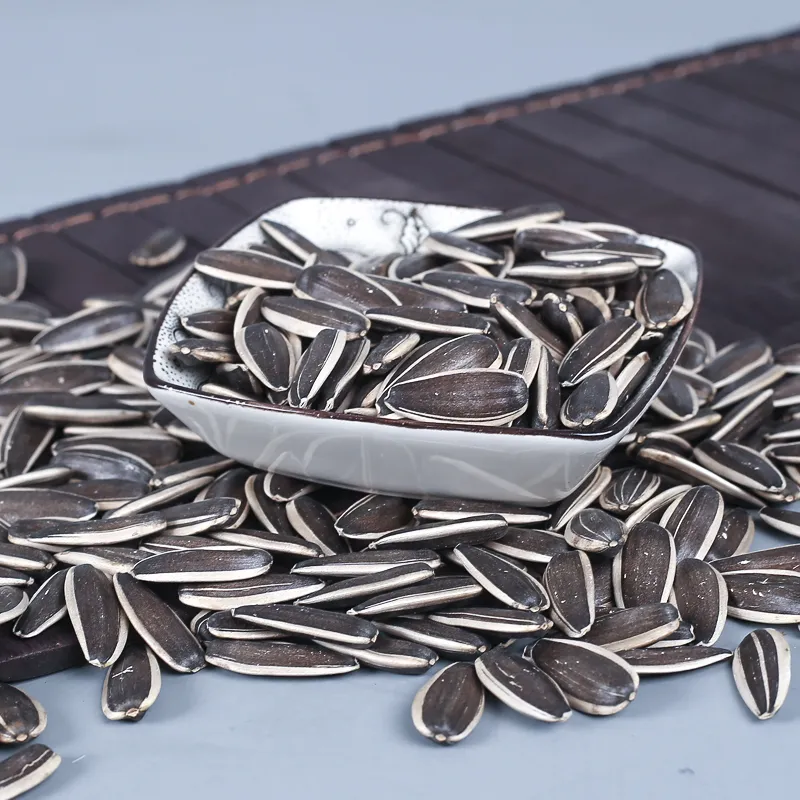
High quality white sunflower seeds ( Helianthus annuus) represent a specialized segment within the broader sunflower seed industry, distinguished by their unique characteristics and applications. Unlike black oil sunflower seeds, primarily utilized for oil extraction and birdfeed, white sunflower seeds are favored for direct human consumption as a snack food, confectionary ingredient, and increasingly, as a source of plant-based protein. Their technical position in the agricultural supply chain involves rigorous selection of cultivars, optimized growing conditions, precise harvesting protocols, and advanced processing techniques to maintain seed integrity, flavor profile, and nutritional value. Core performance metrics focus on kernel size, oil content (though typically lower than black oil varieties), protein content, moisture content, and the absence of hull damage and foreign material. The industry currently faces challenges related to maintaining consistent quality across variable growing seasons, minimizing acrylamide formation during roasting, and meeting consumer demand for non-GMO and organic options. This guide provides an in-depth technical overview of white sunflower seeds, encompassing material science, manufacturing processes, performance characteristics, failure modes, and relevant industry standards.
Material Science & Manufacturing
The primary material science considerations for high quality white sunflower seeds revolve around the composition of the kernel and hull. The kernel comprises approximately 58-65% oil, 20-25% protein, 10-15% carbohydrates, and 5-7% moisture. The oil is primarily linoleic acid (omega-6) with a smaller proportion of oleic acid (omega-9). Protein composition includes significant amounts of globulins and albumins. The hull, or pericarp, is composed primarily of cellulose, hemicellulose, and lignin, providing structural protection. Manufacturing begins with cultivar selection focused on maximizing kernel size and minimizing hull thickness. Seed growth is critically dependent on soil composition (loam is ideal), irrigation (consistent moisture levels are paramount), and fertilization (nitrogen, phosphorus, and potassium are essential). Harvesting occurs when seed moisture content reaches approximately 18-20%. This is followed by drying to 8-9% moisture content, utilizing controlled-temperature air dryers to prevent cracking and maintain seed viability. Cleaning processes employ screens, aspiration, and gravity separators to remove debris, foreign matter, and undersized seeds. Dehulling, while optional for some applications, is often performed to improve appearance and palatability. Dehulling requires careful control of abrasion and impact forces to minimize kernel damage. Finally, sizing and grading are performed to ensure consistent kernel size and quality based on industry standards. Key parameter control includes monitoring seed moisture content throughout the process, controlling drying temperatures to prevent thermal degradation of oils and proteins, and optimizing cleaning and dehulling parameters to maximize yield and minimize damage.
Performance & Engineering
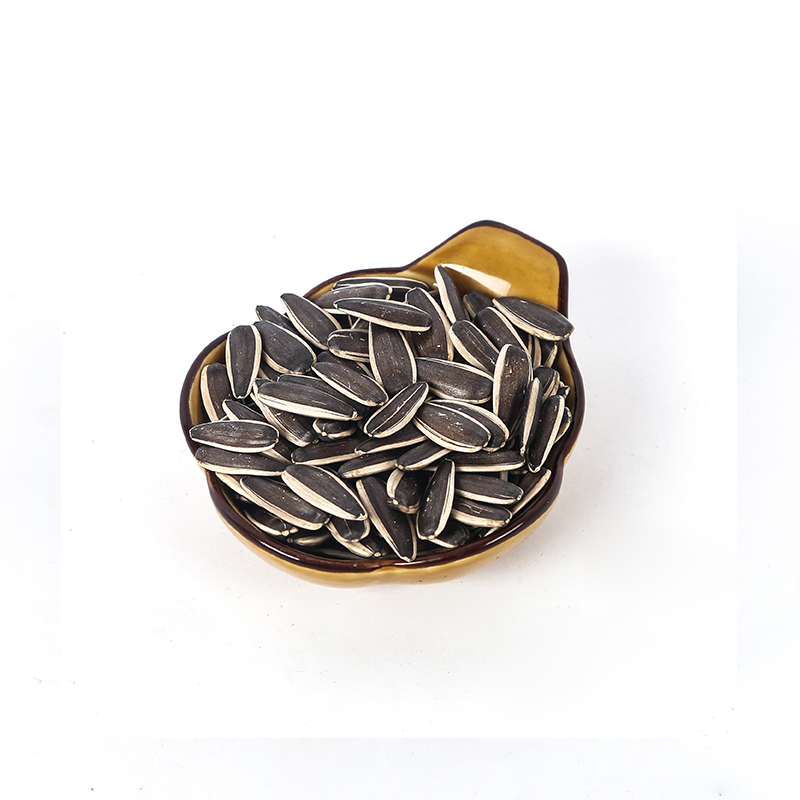
Performance assessment of white sunflower seeds centers on several key engineering principles. Impact resistance is crucial during handling and processing – seeds must withstand drops and abrasion without cracking. This is quantified through impact testing using a pendulum impact tester. Moisture permeability of the hull impacts shelf life and susceptibility to mold growth. Water vapor transmission rate (WVTR) measurements are used to assess hull barrier properties. Thermal stability is critical during roasting and other heat treatments. Differential Scanning Calorimetry (DSC) is employed to determine the thermal degradation profile of oils and proteins, and to identify potential acrylamide formation temperatures. Force analysis during dehulling involves determining the optimal force required to separate the kernel from the hull without causing damage. This is often modeled using Finite Element Analysis (FEA). Environmental resistance is tested through accelerated aging studies simulating various temperature and humidity conditions. Compliance requirements include adherence to food safety regulations (FDA in the US, EFSA in Europe), maximum residue limits for pesticides, and allergen labeling requirements. Functional implementation – particularly in confectionary applications – necessitates consistent kernel size and shape to ensure uniform coating and presentation. The hardness of the kernel is also a performance factor affecting texture during consumption. Kernel hardness is measured using a penetrometer, quantifying the force required to indent the kernel surface.
Technical Specifications
| Parameter | Unit | Specification (Grade A) | Specification (Grade B) |
|---|---|---|---|
| Kernel Moisture Content | % | ≤ 8.0 | ≤ 9.0 |
| Kernel Oil Content (Dry Basis) | % | ≥ 50.0 | ≥ 45.0 |
| Kernel Protein Content (Dry Basis) | % | ≥ 22.0 | ≥ 20.0 |
| Kernel Size (Screen Size) | mm | ≥ 10.0 | ≥ 9.0 |
| Foreign Matter (FM) | % | ≤ 0.5 | ≤ 1.0 |
| Damaged Kernels (DK) | % | ≤ 2.0 | ≤ 3.0 |
| Acrylamide Content (After Roasting) | µg/kg | ≤ 100 | ≤ 150 |
Failure Mode & Maintenance
White sunflower seeds are susceptible to several failure modes throughout their lifecycle. Fatigue Cracking can occur during processing (dehulling, sorting) due to repeated impact forces. This is mitigated by optimizing processing parameters and using impact-resistant materials in machinery. Lipid Oxidation is a significant concern during storage, leading to rancidity and off-flavors. This is minimized through proper drying, airtight packaging with nitrogen flushing, and storage at low temperatures. Mold Growth can occur if moisture content is too high, resulting in mycotoxin contamination. Strict moisture control during drying and storage, along with the use of antifungal packaging materials, is essential. Hull Delamination can occur during dehulling if excessive force is applied. Proper calibration of dehulling equipment and careful monitoring of hull-kernel separation parameters are crucial. Acrylamide Formation during roasting is a potential health hazard. Controlling roasting temperatures and times, and utilizing seed varieties with lower asparagine content, can minimize acrylamide formation. Maintenance solutions involve regular inspection of processing equipment for wear and tear, implementation of a robust quality control program with frequent moisture and oil content testing, and proper storage practices (temperature and humidity control, pest management). Preventative maintenance schedules for drying and dehulling equipment are crucial to avoid unexpected breakdowns and ensure consistent quality. Furthermore, traceability systems should be implemented to allow for rapid identification and recall of potentially compromised batches.
Industry FAQ
Q: What is the optimal moisture content for long-term storage of white sunflower seeds?
A: The optimal moisture content for long-term storage is 8.0% or less. Higher moisture content significantly increases the risk of mold growth and lipid oxidation, leading to spoilage and reduced shelf life. Maintaining low humidity during storage is also critical, ideally below 65% relative humidity.
Q: How can acrylamide formation during roasting be minimized?
A: Acrylamide formation can be minimized by carefully controlling roasting temperature and time. Lower roasting temperatures and shorter roasting times generally result in lower acrylamide levels. Utilizing seed varieties with lower asparagine content, a precursor to acrylamide, can also be effective. Consideration should be given to pre-treatment methods, such as blanching, to reduce asparagine levels.
Q: What are the key differences between white sunflower seeds and black oil sunflower seeds?
A: White sunflower seeds have a higher starch content and lower oil content compared to black oil sunflower seeds. Black oil sunflower seeds are primarily used for oil extraction and birdfeed, while white sunflower seeds are favored for direct human consumption. White sunflower seeds generally have a milder flavor and are easier to hull. Kernel size also tends to be larger in white sunflower varieties.
Q: What are the major causes of kernel damage during dehulling?
A: Kernel damage during dehulling is typically caused by excessive impact force or abrasion. This can be due to improperly calibrated dehulling equipment, worn or damaged dehulling components, or an incorrect feed rate. Maintaining consistent seed quality, minimizing foreign matter, and optimizing dehulling parameters are crucial to prevent kernel damage.
Q: What analytical methods are used to assess the quality of white sunflower seeds?
A: Common analytical methods include moisture content determination (oven drying method), oil content determination (solvent extraction method), protein content determination (Kjeldahl method), foreign matter analysis (visual inspection), damaged kernel analysis (visual inspection), and fatty acid profile analysis (gas chromatography). Testing for mycotoxins and acrylamide content is also crucial for food safety.
Conclusion
High quality white sunflower seeds require a multifaceted approach to production, encompassing careful cultivar selection, optimized agricultural practices, precise processing techniques, and stringent quality control measures. Understanding the material science principles governing kernel and hull composition, coupled with a thorough understanding of potential failure modes, is essential for maintaining consistent product quality and maximizing shelf life. Addressing the challenges of lipid oxidation, mold growth, and acrylamide formation through preventative measures and robust analytical testing is critical for ensuring food safety and consumer satisfaction.
Future developments in the industry are likely to focus on breeding programs aimed at improving kernel size, oil profile, and resistance to disease and pests. The adoption of advanced processing technologies, such as near-infrared spectroscopy for rapid quality assessment, will further enhance efficiency and precision. Continued research into the optimization of roasting parameters to minimize acrylamide formation remains a priority. Finally, increasing consumer demand for sustainable and traceable food products will drive the adoption of environmentally friendly agricultural practices and transparent supply chain management systems.
