Introduction
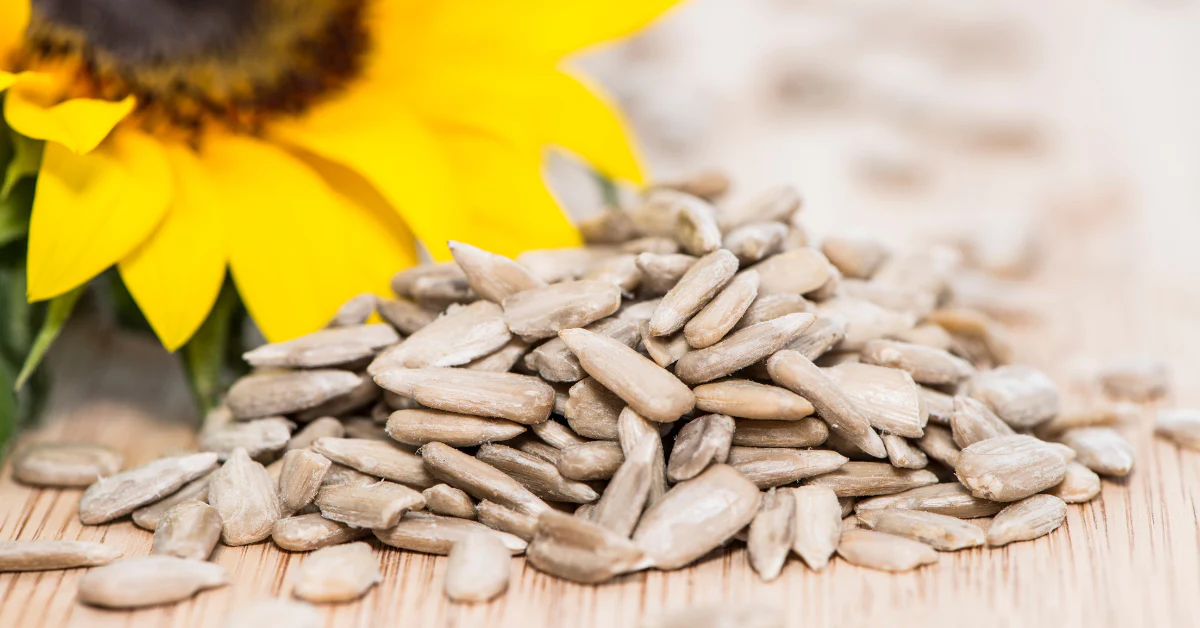
High quality white sunflower seeds ( Helianthus annuus) represent a significant agricultural commodity, positioned within the oilseed and edible seed industries. These seeds are valued for their high oil content, protein profile, and versatility in food applications ranging from direct consumption as a snack to use in confectionary products and oil extraction. The technical position of white sunflower seeds lies in their processing into sunflower oil, sunflower meal (a protein-rich animal feed), and direct human consumption markets. Core performance characteristics include oil yield (typically 40-50% by weight), protein content (20-25%), linoleic acid composition (influencing oil quality and stability), and the absence of hull damage during harvest and processing. The global market demands consistent kernel size, low moisture content, and a minimal presence of foreign material. A primary industry pain point is maintaining consistent seed quality and minimizing mycotoxin contamination (primarily aflatoxins) during growth, harvest, and storage. Another challenge lies in optimizing oil extraction efficiency while preserving the nutritional value of the resulting oil and meal.
Material Science & Manufacturing
White sunflower seeds are comprised primarily of lipids (oils), proteins, carbohydrates, and fiber, encased within a hull or pericarp. The lipid fraction consists predominantly of triglycerides, with linoleic acid (a polyunsaturated omega-6 fatty acid) being the dominant fatty acid. Protein content is substantial, comprising globulins and albumins. Carbohydrates are present as starch within the kernel. The hull itself is composed of cellulose, hemicellulose, and lignin, providing structural support. Manufacturing begins with agricultural practices focused on maximizing seed size and oil content through optimized fertilization and irrigation. Harvesting is critical; minimizing mechanical damage to the seeds reduces oil leakage and prevents fungal ingress. Drying is essential to reduce moisture content to approximately 9-10% to inhibit microbial growth and ensure long-term storage stability. Hulling processes, utilizing either mechanical or chemical methods, remove the outer pericarp, impacting both the processing efficiency and the final product characteristics. Mechanical hulling involves abrasion, while chemical hulling utilizes hot water or dilute acid solutions. Oil extraction typically utilizes solvent extraction (hexane) or mechanical pressing (expelling). Solvent extraction yields higher oil recovery, but requires rigorous solvent removal to meet food safety standards. Key parameters controlled during manufacturing include seed moisture content (maintained below 9%), hulling efficiency (minimal kernel damage), solvent residue levels (below permissible limits), and oil purity (removal of phospholipids and free fatty acids).
Performance & Engineering
The performance of white sunflower seeds, particularly in oil extraction, is governed by a complex interplay of physical and chemical properties. Force analysis during hulling assesses the energy required to fracture the hull without damaging the kernel. This is directly related to hull thickness, moisture content, and impact velocity. Environmental resistance is primarily concerned with storage stability; susceptibility to oxidation, rancidity (due to lipid peroxidation), and mycotoxin contamination (aflatoxins produced by Aspergillus fungi) are key concerns. Storage conditions (temperature, humidity, ventilation) are crucial for minimizing these degradation processes. Compliance requirements include adherence to food safety regulations (e.g., FDA, EFSA), limits on pesticide residues, and permissible levels of heavy metals. Sunflower oil's functionality is dictated by its fatty acid profile. Linoleic acid content influences oxidative stability, while the presence of phytosterols contributes to its health benefits. Engineering considerations in oil processing include efficient heat transfer during extraction, optimized solvent recovery systems, and effective filtration techniques to remove impurities. The mechanical strength of the seeds also influences the efficiency of conveying and processing equipment, minimizing breakage and dust generation.
Technical Specifications
| Parameter | Unit | Typical Value | Testing Method |
|---|---|---|---|
| Oil Content (Dry Basis) | % | 42-50 | Soxhlet Extraction (AOCS Official Method) |
| Protein Content (Dry Basis) | % | 20-25 | Kjeldahl Method (AOCS Official Method) |
| Moisture Content | % | 8-10 | Oven Drying (AOCS Official Method) |
| Kernel Size (Diameter) | mm | 10-14 | Sieve Analysis |
| Linoleic Acid Content | % of Total Fatty Acids | 60-75 | Gas Chromatography (AOCS Official Method) |
| Aflatoxin Level (B1, B2, G1, G2) | ppb | <20 | HPLC-Fluorescence (AOCS Official Method) |
Failure Mode & Maintenance
Failure modes in white sunflower seeds, primarily relevant during storage and processing, include lipid oxidation (leading to rancidity and reduced oil quality), protein denaturation (affecting nutritional value), and fungal contamination (aflatoxin production). Fatigue cracking of the hull can occur during handling and transportation. Degradation of oil quality is accelerated by exposure to oxygen, light, and elevated temperatures. Oxidation results in the formation of peroxides, aldehydes, and ketones, imparting undesirable flavors and odors. Aflatoxin contamination is a critical safety concern, particularly in warm, humid environments. Maintenance strategies focus on proper storage conditions (cool, dry, well-ventilated), regular monitoring for moisture content and fungal growth, and adherence to strict hygiene practices during processing. Antioxidants can be added to the oil to inhibit oxidation. Effective pest control measures are essential to prevent insect damage and fungal proliferation. Regular cleaning of processing equipment minimizes the buildup of dust and debris, reducing the risk of contamination. Preventative maintenance of drying and storage equipment ensures optimal performance and minimizes seed damage. Proper hulling equipment maintenance reduces kernel damage and minimizes fines generation.
Industry FAQ
Q: What are the critical factors influencing the shelf life of white sunflower seeds?
A: The primary factors are moisture content, temperature, oxygen exposure, and the presence of antioxidants. Maintaining a low moisture content (below 10%), storing seeds in a cool, dry, and dark environment, and using oxygen-impermeable packaging significantly extend shelf life. The addition of natural or synthetic antioxidants can further inhibit lipid oxidation and maintain oil quality.
Q: How is aflatoxin contamination monitored and controlled?
A: Aflatoxin levels are routinely monitored using HPLC-Fluorescence methods. Preventative measures include selecting disease-resistant varieties, implementing strict pre-harvest and post-harvest practices, ensuring proper drying and storage conditions, and employing effective pest control. Regular inspections and testing are essential to ensure compliance with regulatory limits.
Q: What is the impact of hulling on the oil yield and quality?
A: Hulling increases the oil content per unit weight by removing the hull. However, aggressive hulling can damage the kernel, leading to oil leakage and increased free fatty acid content. Optimizing hulling parameters (impact velocity, abrasion intensity) is crucial to maximize oil yield while minimizing kernel damage.
Q: What are the key differences between mechanical pressing and solvent extraction for oil recovery?
A: Mechanical pressing is a physical process that expels oil using pressure. It yields a lower oil recovery rate but produces a higher-quality oil with minimal solvent residue. Solvent extraction, typically using hexane, achieves higher oil recovery but requires rigorous solvent removal to meet food safety standards. The choice of method depends on desired oil yield, oil quality requirements, and cost considerations.
Q: How does the linoleic acid content influence the stability of sunflower oil?
A: Higher linoleic acid content contributes to increased susceptibility to oxidation. Linoleic acid is a polyunsaturated fatty acid that readily reacts with oxygen, leading to rancidity. Stabilization strategies include adding antioxidants, storing oil in dark containers, and minimizing exposure to heat and light.
Conclusion
High quality white sunflower seeds represent a valuable agricultural commodity whose performance is governed by a complex interplay of material science, manufacturing processes, and storage conditions. Maintaining seed integrity throughout the supply chain, from agricultural practices to oil extraction, is critical for maximizing oil yield, preserving nutritional value, and ensuring food safety. Addressing the key industry pain points – minimizing mycotoxin contamination, optimizing oil extraction efficiency, and preserving oil stability – requires a holistic approach encompassing optimized agricultural practices, meticulous processing control, and robust quality assurance procedures.
Future advancements in sunflower seed processing will likely focus on developing more sustainable extraction methods, enhancing oil stability through genetic modification and innovative antioxidant formulations, and implementing real-time monitoring systems for aflatoxin detection. Continued research into hulling techniques to minimize kernel damage and improve oil recovery will also be crucial. Ultimately, the successful production and utilization of high-quality white sunflower seeds depend on a commitment to scientific rigor, technological innovation, and adherence to stringent quality standards.
