Introduction
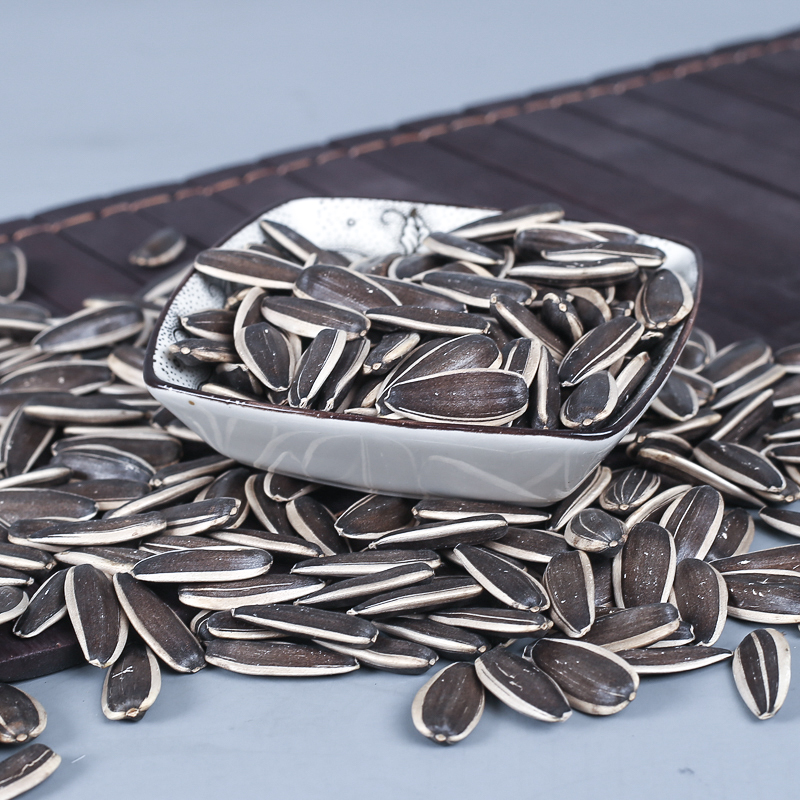
High quality white lite sunflower ( Helianthus annuus ) represents a specific cultivar of sunflower seeds bred for enhanced oil content, protein levels, and hull characteristics optimized for various industrial applications. Unlike traditional confectionary sunflower varieties, these seeds are primarily destined for oil extraction, livestock feed, and increasingly, as a feedstock for biochemical processing. Its position within the agricultural supply chain is crucial, serving as a bridge between agricultural production and industries reliant on vegetable oils, proteins, and biomass. Core performance characteristics are defined by oil yield (typically exceeding 40% by weight), protein content (ranging from 20-25%), and a low hull percentage (ideally below 25%), contributing to efficient processing and maximizing value-added outputs. The demand for this specific cultivar is driven by a confluence of factors, including increasing global demand for vegetable oils, the rising cost of alternative protein sources, and a growing emphasis on sustainable and renewable resources.
Material Science & Manufacturing
The raw material, white lite sunflower seeds, comprises primarily triglycerides (the oil component), proteins (globulins, albumin), carbohydrates (primarily cellulose in the hull), and minor constituents like phospholipids, waxes, and pigments. The oil’s composition is dominated by linoleic acid (around 60-70%), oleic acid (20-30%), and palmitic acid (5-10%), impacting its stability and suitability for diverse applications. Seed development involves carefully controlled breeding programs focusing on genetics influencing oil and protein profiles. Manufacturing begins with harvesting, typically performed mechanically. Post-harvest processing includes cleaning to remove debris and foreign matter, drying to reduce moisture content (typically to 8-10% to inhibit fungal growth), and dehulling – a critical step separating the kernel from the protective hull. Dehulling employs impact and friction methods, and parameter control (impact force, friction surface roughness, and seed moisture content) is paramount to minimize kernel damage and maximize oil recovery. Subsequent oil extraction utilizes mechanical pressing (expelling) and/or solvent extraction (typically with hexane). Solvent extraction yields higher oil recovery but requires rigorous solvent removal to meet food-grade standards. Refining follows, involving degumming, neutralization, bleaching, and deodorization to remove impurities and improve oil quality and stability. Seed protein processing involves solvent extraction or mechanical separation, often followed by concentration and drying into meal or protein concentrates.
Performance & Engineering
Performance of white lite sunflower seeds is fundamentally linked to the physical and chemical properties of the resulting oil and meal. Oil quality is assessed via acid value (FFA content), peroxide value (oxidation level), iodine value (unsaturation), and color. High FFA and peroxide values indicate degradation and reduced shelf life. Engineering considerations during processing focus on minimizing shear forces during dehulling and extraction to prevent oil oxidation and protein denaturation. Environmental resistance during storage is critical; high humidity and temperature accelerate lipid peroxidation and protein degradation. Controlled atmosphere storage (reducing oxygen levels) and proper ventilation are essential. Compliance requirements include adherence to food safety standards (e.g., HACCP), solvent residue limits (e.g., EPA regulations), and GMO labeling regulations (depending on the cultivar). Functional implementation of sunflower oil varies significantly – from edible oil production to biodiesel feedstock and industrial lubricant formulations. Oil stability and viscosity are engineered via blending with other vegetable oils or chemical modification (e.g., epoxidation). The meal’s protein digestibility and amino acid profile dictate its suitability for animal feed formulations. Force analysis related to seed handling (e.g., impact resistance during conveying) is crucial for equipment design and minimizing seed damage.
Technical Specifications
| Parameter | Unit | Specification (Typical) | Testing Method |
|---|---|---|---|
| Oil Content (Dry Basis) | % | 42-48 | AOAC Official Method 989.19 |
| Protein Content (Dry Basis) | % | 20-26 | Kjeldahl Method (AOAC Official Method 976.05) |
| Hull Content | % | <25 | Visual Inspection & Weight Differential |
| Moisture Content | % | <10 | Oven Drying Method (AOAC Official Method 925.10) |
| Acid Value (FFA) | mg KOH/g | <1.0 | Titration Method (ISO 660) |
| Peroxide Value | meq O2/kg | <5.0 | Titration Method (ISO 3960) |
Failure Mode & Maintenance
Failure modes in white lite sunflower seed processing and storage are diverse. Seed cracking during dehulling leads to increased hull fragments and reduced oil yield. This is often caused by excessive impact force or improper machine calibration. Oil oxidation (rancidity) is a primary degradation pathway, driven by exposure to oxygen, light, and elevated temperatures. This results in off-flavors, reduced nutritional value, and decreased shelf life. Maintaining proper storage conditions (cool, dark, and dry) and utilizing antioxidants are critical preventative measures. Fungal contamination, particularly with Aspergillus species, can occur during storage if moisture content is not adequately controlled, leading to aflatoxin production – a serious food safety concern. Regular monitoring of seed moisture and temperature, alongside proper sanitation practices, is essential. Mechanical failures in processing equipment (e.g., dehuller rollers, expeller screws) cause downtime and reduced throughput. Implementing preventative maintenance schedules, including lubrication, wear part replacement, and regular inspections, is vital. Protein meal degradation (Maillard reaction) occurs during prolonged storage, reducing its nutritional value. Optimizing storage temperature and minimizing exposure to reducing sugars can mitigate this issue. Finally, solvent residues exceeding permissible limits constitute a failure mode in solvent extraction, necessitating rigorous solvent removal and quality control procedures.
Industry FAQ
Q: What is the significance of linoleic/oleic acid ratio in the sunflower oil, and how does it impact its applications?
A: The linoleic/oleic acid ratio dictates the oil’s stability and functionality. High linoleic acid content (traditional sunflower oil) leads to greater susceptibility to oxidation, requiring antioxidants for shelf-life extension. High oleic acid sunflower oil, bred for increased stability, is preferred for frying and high-temperature applications due to its reduced polymerization and lower formation of trans fats. The ratio influences viscosity, pour point, and oxidative stability, impacting suitability for specific industrial applications like biodiesel or lubricants.
Q: How does hull content affect the efficiency of oil extraction and the quality of the resulting meal?
A: Higher hull content significantly reduces oil extraction efficiency as the hull does not contain oil. It increases wear on processing equipment and increases the volume of waste generated. Regarding meal quality, higher hull content dilutes the protein concentration, reducing its nutritional value for animal feed. Thorough dehulling is therefore crucial for maximizing both oil yield and meal quality.
Q: What are the key considerations for preventing aflatoxin contamination in sunflower seeds during storage?
A: Maintaining low moisture content (<10%) is paramount, as Aspergillus growth is inhibited by low water activity. Proper ventilation to ensure air circulation and prevent localized humidity buildup is also critical. Regular inspection for signs of mold growth and prompt removal of contaminated seeds are essential. Implementing a robust sanitation program to eliminate potential sources of contamination and employing storage facilities with temperature control are further preventative measures.
Q: What impact does seed variety (hybrid) have on the overall oil yield and protein profile?
A: Seed variety has a substantial impact. Modern hybrids are specifically bred to maximize oil content, protein concentration, and minimize hull percentage. Different hybrids are tailored for specific climates and processing conditions. Genetic selection plays a crucial role in optimizing these traits, leading to significant improvements in oil yield and protein profile compared to open-pollinated varieties.
Q: What are the environmental implications of using hexane as a solvent for oil extraction, and are there viable alternative extraction methods?
A: Hexane is an effective solvent for oil extraction but presents environmental concerns due to its volatility and potential for air pollution. Regulations govern hexane emissions, requiring vapor recovery systems. Alternative extraction methods include cold pressing (mechanical extraction) and supercritical fluid extraction (using CO2). Cold pressing yields lower oil recovery but avoids solvent use. Supercritical CO2 extraction is environmentally friendly but often more expensive and requires specialized equipment. Water extraction assisted by enzymes is another emerging technology.
Conclusion
High quality white lite sunflower seeds represent a vital link in the vegetable oil and protein supply chains, demanding rigorous attention to material science, manufacturing processes, and quality control. Optimizing parameters from seed breeding and harvesting to dehulling, extraction, and storage is critical for maximizing oil yield, protein content, and overall product quality. Understanding and mitigating failure modes related to oxidation, fungal contamination, and mechanical degradation is paramount for ensuring product safety, economic viability, and sustainability.
Future advancements will likely focus on breeding programs to further enhance oil stability and protein functionality, alongside the development of more sustainable and efficient extraction technologies. The integration of real-time monitoring systems for moisture content, temperature, and seed quality will improve storage management and reduce losses. Continued research into novel solvent alternatives and enzymatic extraction techniques will further minimize the environmental impact of sunflower oil production and solidify its role as a key component of a bio-based economy.
