Introduction
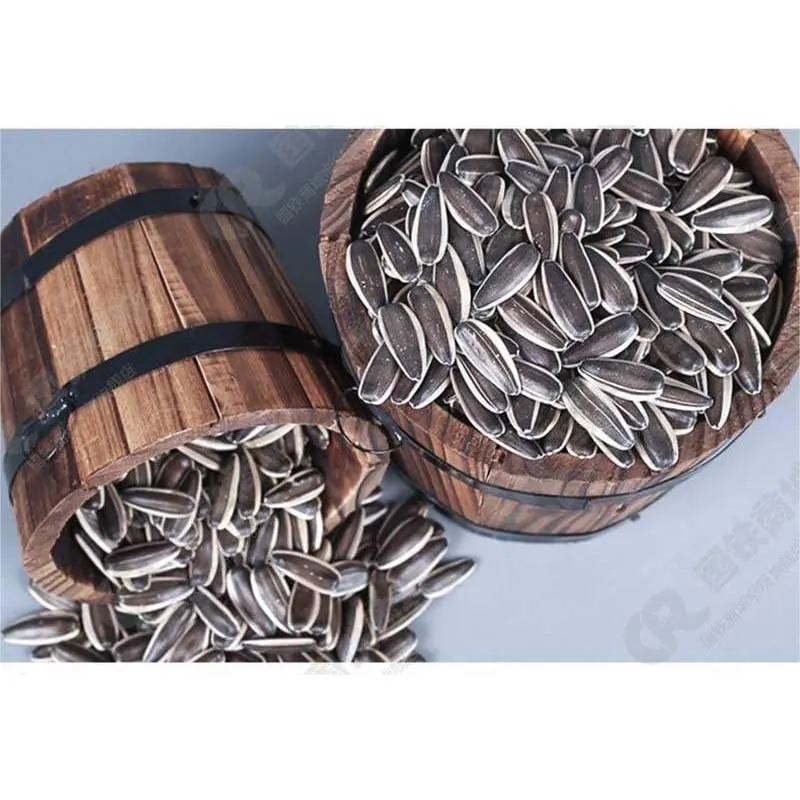
High quality water sunflower seeds ( Helianthus annuus) represent a specialized agricultural product engineered for aquatic cultivation and specific end-use applications. Unlike traditional dry-land sunflower seeds primarily used for oil extraction or confectionary purposes, these seeds are bred for enhanced germination rates in submerged or consistently saturated conditions. Their technical position within the agricultural supply chain falls between specialized seed breeding companies and aquaculture farms, hydroponic operations, or phytoremediation projects. Core performance characteristics revolve around rapid germination, high seedling vigor in waterlogged environments, substantial root development for nutrient uptake, and tolerance to common aquatic pathogens. This guide details the material science, manufacturing protocols, performance metrics, failure modes, and applicable standards governing the production and application of these specialized seeds.
Material Science & Manufacturing
The production of high quality water sunflower seeds begins with careful genetic selection. Unlike conventional varieties relying on high oil content, water sunflower seeds prioritize carbohydrate storage for rapid root and shoot development. The seed coat’s composition is crucial, featuring a modified lignin structure to control water absorption rate—too rapid, and the seed can rot; too slow, and germination is delayed. The raw materials primarily consist of carefully selected sunflower lines exhibiting inherent aquatic tolerance, augmented through controlled hybridization. Manufacturing involves a multi-stage process: 1) Seed Selection & Grading: Initial screening for seed size, weight, and visual defects using automated optical sorters. 2) Priming & Coating: Seeds undergo controlled hydration ("priming") to initiate metabolic processes, followed by a coating treatment. This coating typically consists of a polymer matrix (polyvinyl alcohol or similar biocompatible polymer) incorporating micronutrients (phosphorus, potassium, iron), beneficial microbes ( Bacillus subtilis for disease suppression), and a slow-release fertilizer. Coating parameters—thickness, composition, adhesion—are rigorously controlled. 3) Drying & Curing: The coated seeds are dried in controlled temperature and humidity environments to prevent cracking or nutrient leaching. 4) Quality Control: Final quality control checks involve germination rate testing (assessing percentage of seeds germinating within a specified timeframe in a submerged environment), seedling vigor assessment (measuring root length and shoot height), and pathogen screening (ensuring absence of common aquatic fungal and bacterial contaminants). Parameter control is essential, particularly humidity during drying, coating uniformity, and seed storage temperature (below 10°C to maintain viability).
Performance & Engineering
Performance evaluation of water sunflower seeds necessitates understanding the hydrodynamics affecting seedling establishment. Force analysis focuses on drag forces exerted by water currents on the developing root system, requiring sufficient root mass and tensile strength to maintain anchorage. Environmental resistance is paramount, particularly tolerance to fluctuating water temperatures, pH levels, and dissolved oxygen concentrations. The seeds must also withstand potential competition from aquatic weeds and grazing by fish or invertebrates. Compliance requirements vary by application. For phytoremediation projects (using sunflowers to remove pollutants), seed performance is evaluated against heavy metal uptake rates and biomass production. For aquaculture applications, the seeds’ contribution to the food web (as a larval fish food source) is a key metric. Functional implementation involves optimizing seeding density, water flow rates, and nutrient availability. The seed coating’s degradation rate must be tailored to match nutrient release with seedling demand. Furthermore, the seed’s buoyancy and settling velocity are engineered to ensure uniform distribution within the aquatic environment. Seedling growth models, incorporating parameters like light penetration, water temperature, and nutrient diffusion, are used to predict optimal planting strategies.
Technical Specifications
| Germination Rate (%) (Submerged) | Seed Coat Water Absorption Rate (g/g/hr) | Seedling Root Length (cm) (7 days) | Seed Coating Degradation Time (Days) |
|---|---|---|---|
| ≥ 95 | 0.25 - 0.35 | ≥ 15 | 30-45 |
| ≥ 92 | 0.35 - 0.45 | 12-18 | 45-60 |
| ≥ 88 | 0.45 - 0.55 | 8-12 | 60-75 |
| ≥ 85 | 0.55 - 0.65 | 5-8 | 75-90 |
| ≥ 75 | 0.65 - 0.75 | 3-5 | 90-120 |
| ≤ 70 | >0.75 | <3 | >120 |
Failure Mode & Maintenance
Failure modes in water sunflower seed applications are diverse. Premature Seed Rot: Caused by excessive water absorption, leading to fungal growth ( Pythium is a common pathogen). Delayed Germination: Resulting from insufficient priming or overly rigid seed coatings restricting water uptake. Seedling Damping-Off: Fungal infection attacking seedlings at the base, leading to collapse. Nutrient Deficiency: Insufficient nutrient release from the coating, causing stunted growth and chlorosis. Mechanical Damage: Physical abrasion during handling or planting, compromising seed viability. Biofouling: Accumulation of algae or other organisms on the seed coat, hindering germination. Maintenance solutions include implementing rigorous seed sterilization protocols, optimizing coating formulations for controlled nutrient release, ensuring gentle handling during planting, and employing antifungal seed treatments. Regular water quality monitoring (pH, dissolved oxygen, temperature) is crucial. Phytoremediation applications may require periodic harvesting of biomass to prevent nutrient saturation and maintain pollutant uptake efficiency. Preventative measures, such as using beneficial microbial consortia in the coating, enhance seedling resilience to disease. Storage conditions—low temperature and humidity—are essential for preserving seed viability over extended periods.
Industry FAQ
Q: What is the impact of water salinity on germination rates?
A: Increasing water salinity significantly reduces germination rates and seedling vigor. Salt stress inhibits water uptake and disrupts osmotic balance within the seed. Select seed coatings incorporating osmolytes (e.g., proline, glycine betaine) can mitigate salt stress by helping the seed maintain turgor pressure and protect cellular structures. Salt-tolerant sunflower varieties are also being developed through breeding programs.
Q: How does the seed coating affect the release of nutrients into the water column?
A: The seed coating is engineered for controlled release. Polymer matrix composition and coating thickness dictate the diffusion rate of nutrients. Biodegradable polymers break down gradually, releasing nutrients over time. The release rate should align with seedling nutrient demands to maximize uptake efficiency and minimize nutrient loss to the surrounding water.
Q: What is the role of beneficial microbes in the seed coating?
A: Beneficial microbes, such as Bacillus subtilis, act as biocontrol agents, suppressing pathogenic fungi and bacteria that can cause seed rot or damping-off. They also promote plant growth by enhancing nutrient availability and stimulating root development. Microbe viability within the coating is critical; encapsulation techniques are used to protect microbes during storage and application.
Q: What are the considerations for large-scale seeding in open water environments?
A: Uniform seed distribution is a key challenge in open water. Seeding methods include hydroseeding (mixing seeds with water and a binding agent and spraying onto the surface) and using specialized seeders that distribute seeds at controlled depths. Water currents and wave action can disperse seeds, requiring careful calibration of seeding rates to achieve optimal plant density.
Q: How do you determine the appropriate seeding density for a phytoremediation project?
A: Seeding density is determined by factors such as the concentration of pollutants, the desired remediation timeframe, the water flow rate, and the sunflower’s uptake capacity for the target pollutants. Pilot studies are essential to optimize seeding density and ensure effective pollutant removal. Monitoring water quality parameters before and after planting provides valuable data for assessing remediation progress.
Conclusion
High quality water sunflower seeds represent a sophisticated agricultural innovation addressing specialized needs in aquaculture, phytoremediation, and related industries. Their performance is dictated by a complex interplay of material science principles, precise manufacturing controls, and a deep understanding of aquatic environmental factors. Ensuring optimal germination, seedling vigor, and sustained growth requires careful attention to seed coating formulations, water quality management, and appropriate seeding strategies.
Future advancements will likely focus on developing sunflower varieties with enhanced salt tolerance, improved heavy metal uptake capabilities, and increased resistance to aquatic pathogens. Furthermore, optimizing seed coating technology to deliver targeted nutrient release and promote beneficial microbial interactions will be crucial for maximizing the efficiency and sustainability of water sunflower seed applications. The continued refinement of these specialized seeds will contribute to more effective and environmentally responsible solutions for water resource management and agricultural production.
