Introduction
High quality watermelon seeds represent a critical input for commercial watermelon production, impacting yield, fruit quality, and disease resistance. This technical guide details the characteristics, manufacturing, performance, and maintenance considerations associated with premium watermelon seeds, specifically targeting B2B procurement in the agricultural sector. The current market focuses on hybrid varieties, developed through controlled pollination to maximize heterosis (hybrid vigor). These seeds are categorized based on traits like maturity time (early, mid-season, late), fruit size, rind pattern, and disease resistance – crucial parameters affecting profitability for large-scale agricultural operations. The industry faces increasing pressure to optimize seed genetics for climate resilience, improved shelf life, and reduced reliance on agrochemicals. This necessitates a deep understanding of seed physiology, genetic markers, and quality control protocols.
Material Science & Manufacturing
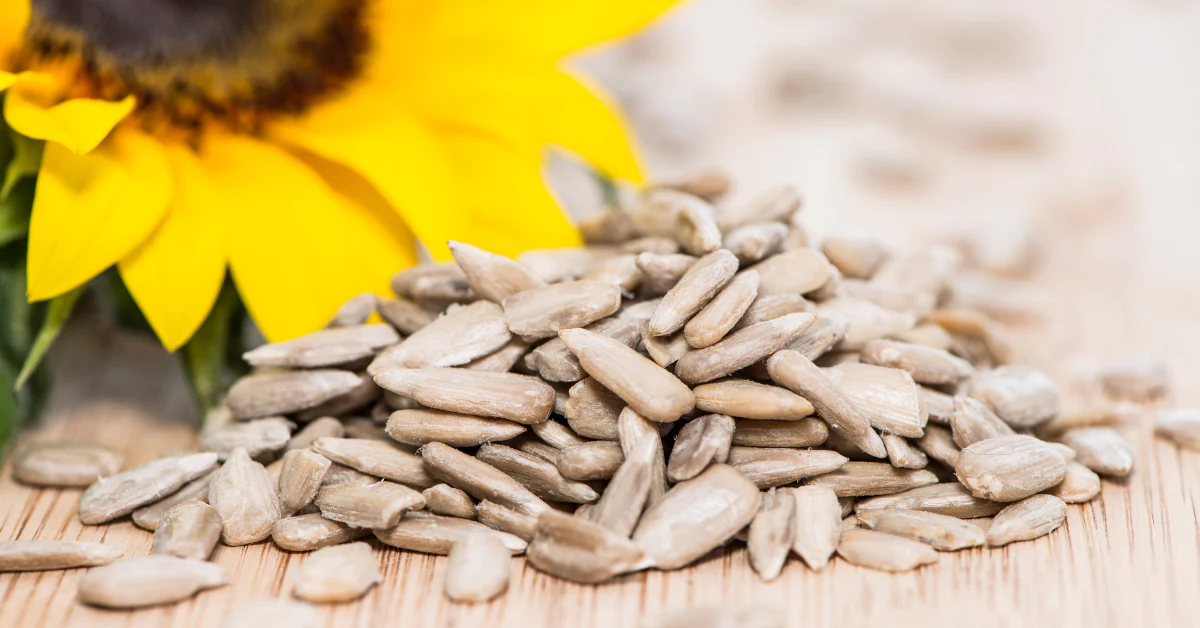
Watermelon seed development begins with controlled pollination of carefully selected parent lines. The raw material – the mature seed – is composed primarily of the embryo, endosperm (nutrient reserve), and seed coat (testa). The testa is crucial for dormancy, protection, and germination. Its composition consists of cellulosic layers with lignin and suberin contributing to impermeability. The embryo itself contains the radicle, plumule, and cotyledons, possessing substantial oil content (approximately 30-40% of dry weight) derived from lipids like palmitic, oleic, and linoleic acids. Manufacturing involves several stages: harvesting mature fruits, extracting seeds, drying to a specific moisture content (typically 7-9%), cleaning to remove debris and immature seeds, grading by size and weight, and applying seed treatments (fungicides, insecticides, polymers). Drying is paramount; improper drying leads to reduced viability and increased susceptibility to fungal infection. Seed treatments enhance germination rates, protect against soilborne pathogens, and improve seedling vigor. Parameter control during drying (temperature, humidity, airflow) is governed by seed physiology – exceeding optimal temperatures can denature proteins and reduce enzyme activity vital for germination.
Performance & Engineering
Seed performance is evaluated through a comprehensive suite of tests. Germination rate (percentage of seeds germinating under controlled conditions) is the primary indicator. Seed vigor – the ability of seedlings to establish rapidly and withstand stress – is assessed through seedling growth rate, root development, and tolerance to salinity/drought. Genetic purity is confirmed using molecular markers to ensure the integrity of hybrid traits. Disease resistance is evaluated through inoculation with relevant pathogens (Fusarium, Verticillium, Anthracnose) in controlled environments. Force analysis is applied to seed coat strength to predict resistance to mechanical damage during planting. Environmental resistance analysis focuses on seed viability under varying temperature and humidity conditions, simulating diverse growing regions. Compliance requirements depend on the target market; regulations regarding seed treatment chemicals (e.g., neonicotinoids) vary significantly across countries. Functional implementation hinges on optimized seed density per planting hole, ensuring sufficient space for root development and minimizing competition. Seed pelleting with polymers (e.g., polyacrylamide) improves handling, seed spacing, and moisture retention, enhancing precision planting.
Technical Specifications
| Germination Rate (%) | Seed Vigor Index (0-100) | Moisture Content (%) | Genetic Purity (%) |
|---|---|---|---|
| ≥ 85 | ≥ 75 | 7-9 | ≥ 98 |
| ≥ 90 (Premium Grade) | ≥ 85 (Premium Grade) | 6-8 (Premium Grade) | ≥ 99 (Premium Grade) |
| Fusarium Resistance (Race 1) | Verticillium Resistance (Race 0) | Anthracnose Resistance | Seed Size (grams/100 seeds) |
| Resistant/Tolerant | Resistant/Tolerant | Resistant/Tolerant | 12-15 |
| Seed Treatment Type | Seed Coating Polymer | Oil Content (%) | Dormancy Level |
| Fungicide + Insecticide | Polyacrylamide | 30-40 | Physiological |
Failure Mode & Maintenance
Seed failure can manifest as non-germination, poor seedling vigor, or susceptibility to disease. Common failure modes include physiological dormancy breakdown (premature germination during storage), mechanical damage during handling/planting (cracking of the testa), fungal infection (leading to seed decay), and genetic degradation (loss of hybrid vigor over generations). Fatigue cracking of the seed coat can occur due to repeated handling. Delamination of seed coatings weakens protection against pathogens. Degradation of oil reserves reduces seedling vigor. Oxidation of lipids leads to rancidity and decreased germination. Maintenance protocols focus on proper storage conditions: low temperature (4-10°C), low humidity (40-50%), and protection from light. Regular seed viability testing (germination tests) is crucial to monitor seed quality over time. Implementing a ‘first-in, first-out’ inventory system minimizes storage duration. Maintaining accurate records of seed source, treatment, and storage conditions is essential for traceability and quality control. Seed pelleting provides a protective layer and enhances handling, reducing mechanical damage.
Industry FAQ
Q: What is the significance of hybrid vigor in watermelon seed selection?
A: Hybrid vigor, or heterosis, results from the breeding of genetically diverse parent lines. It leads to superior traits in the offspring – increased yield, improved disease resistance, enhanced fruit quality, and faster growth rates. Procurement managers should prioritize hybrid seeds as they represent the most efficient path to maximizing production output and minimizing input costs associated with pest and disease control.
Q: How do different seed treatments impact seedling establishment in varying soil conditions?
A: Seed treatments (fungicides, insecticides, polymers) provide protection against soilborne pathogens and pests, particularly crucial in areas with high disease pressure or poor soil health. Polymer coatings enhance moisture retention, benefiting seedling establishment in arid or sandy soils. The specific treatment should be tailored to the prevailing soil conditions and pest/disease risks of the target growing region.
Q: What quality control measures are employed to ensure genetic purity of the seeds?
A: Genetic purity is verified through molecular marker analysis, which confirms the presence of specific genes associated with desired traits. Regular field inspections of parent lines are conducted to prevent cross-pollination with undesirable varieties. Seed producers should provide documentation of genetic testing results to demonstrate compliance with quality standards.
Q: What are the key considerations for long-term seed storage to maintain viability?
A: Optimal storage conditions are critical: low temperature (4-10°C), low humidity (40-50%), and protection from light. Seed moisture content should be maintained within the recommended range (7-9%). Regular viability testing is essential to monitor seed quality over time and identify any deterioration. Proper packaging (airtight containers) prevents moisture absorption.
Q: How does seed size correlate with seedling vigor and yield potential?
A: Generally, larger seeds contain more nutrient reserves, providing the seedling with a stronger start. This can translate to faster growth rates, improved vigor, and potentially higher yields. However, seed size is not the sole determinant of performance; genetic factors and seed quality are equally important.
Conclusion
The selection of high-quality watermelon seeds is a fundamental factor driving profitability in commercial agriculture. A thorough understanding of seed physiology, genetic principles, manufacturing processes, and performance metrics is paramount for informed procurement decisions. Prioritizing hybrid varieties with demonstrated disease resistance, vigor, and adaptability to local growing conditions minimizes risk and maximizes yield potential.
Future trends will focus on developing seeds with enhanced climate resilience (drought tolerance, heat tolerance), improved nutritional value, and reduced reliance on synthetic inputs. Advanced breeding techniques, including genomic selection and gene editing, will play an increasingly important role in accelerating the development of superior watermelon varieties.
