Introduction
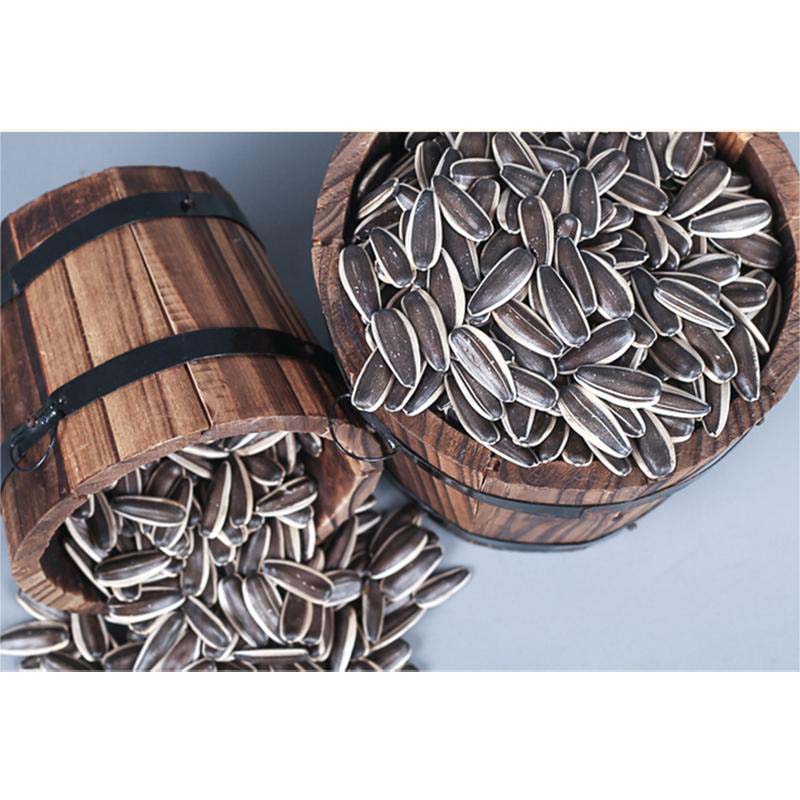
High quality unshelled sunflower seeds ( Helianthus annuus) represent a critical input in the edible oil, confectionery, and animal feed industries. These seeds, differing from in-shell varieties by the removal of the protective pericarp, offer increased processing efficiency and palatability. Their technical position within the agricultural supply chain is post-harvest, requiring stringent quality control at multiple stages – field cultivation, harvesting, drying, cleaning, and grading. Core performance characteristics hinge on oil content, protein content, kernel size, moisture content, and absence of foreign material or damaged kernels. The industry currently faces challenges regarding mycotoxin contamination, maintaining consistent oil profiles influenced by genotype and environmental factors, and reducing hulling damage which impacts both yield and quality. This guide provides an in-depth technical analysis of unshelled sunflower seeds, covering material science, manufacturing processes, performance criteria, failure modes, and relevant industry standards.
Material Science & Manufacturing
Sunflower seeds, from a material science perspective, consist primarily of three components: the kernel (approximately 65-80% by weight), the hull (5-10% in unshelled seeds due to prior removal), and the residual seed coat fragments. The kernel is rich in lipids (40-55% oil content), proteins (18-25%), carbohydrates (10-20%), and various micronutrients. The oil is dominated by linoleic acid (Omega-6), oleic acid (Omega-9), and palmitic acid. Manufacturing begins with selecting high-oleic or high-linoleic cultivars based on intended application. Harvesting timing is critical, typically occurring when seed moisture content reaches 12-15%. Drying is paramount; forced-air drying systems are employed to reduce moisture content to 8-9% to prevent fungal growth and maintain germination viability. Hulling is achieved through mechanical abrasion, impact, or a combination thereof, utilizing rubber rollers, centrifugal impactors, or aspiration systems. Key parameter control during hulling involves maintaining appropriate roller pressure, speed differentials, and airflow to minimize kernel damage (cracking, splitting) and maximize hull removal efficiency. Seed cleaning employs screens, aspirators, and gravity separators to remove foreign materials (chaff, stems, weed seeds) and broken kernels. Grading is based on kernel size, density, and oil content, utilizing optical sorters and analytical instruments. Chemical compatibility during processing involves avoiding contact with materials that can induce lipid oxidation or introduce contaminants.

Performance & Engineering
Performance evaluation of unshelled sunflower seeds focuses on several key engineering properties. Bulk density, typically ranging from 550-700 kg/m³, influences storage and conveying system design. Kernel hardness, measured using penetrometers, impacts milling efficiency and oil extraction rates. Friction coefficients between kernels and processing equipment surfaces are critical for pneumatic conveying and sorting systems, affecting material flow and minimizing abrasion. Thermal properties, including specific heat capacity and thermal conductivity, are vital for drying and roasting processes, ensuring uniform heat distribution and preventing kernel scorching. Environmental resistance is primarily related to moisture absorption and oxidation susceptibility. High relative humidity (>70%) can lead to increased moisture content, promoting fungal growth and lipid hydrolysis, resulting in rancidity. Exposure to oxygen accelerates lipid oxidation, reducing oil quality and nutritional value. Compliance requirements pertain to food safety standards (e.g., HACCP, GMP) and regulations regarding mycotoxin levels (aflatoxins, ochratoxins) established by national and international authorities. Functional implementation depends heavily on the end-use. Confectionery seeds require superior kernel size and integrity, while oilseed varieties prioritize high oil content and efficient extractability.
Technical Specifications
| Parameter | Unit | Typical Range | Test Method |
|---|---|---|---|
| Oil Content (Dry Basis) | % | 48-58 | AOAC Official Method 985.04 |
| Protein Content (Dry Basis) | % | 18-26 | Kjeldahl Method (AOAC Official Method 978.05) |
| Moisture Content | % | 8-9 | Oven Drying Method (ISO 712) |
| Kernel Size (Diameter) | mm | 8-12 | Sieve Analysis (ICC 153) |
| Foreign Material | % | <0.5 | Visual Inspection (ISTA Red Book Rule 31) |
| Damaged Kernels (Cracked, Broken) | % | <3 | Visual Inspection (ISTA Red Book Rule 36) |
Failure Mode & Maintenance
Failure modes in unshelled sunflower seeds manifest throughout the supply chain. During harvesting and drying, thermal stress can cause kernel cracking and reduce oil quality. Improper storage conditions (high temperature, humidity) lead to lipid oxidation, rancidity development, and mycotoxin contamination (primarily aflatoxins produced by Aspergillus flavus). Mechanical damage during hulling and processing causes kernel breakage, reducing grade and increasing processing losses. Fatigue cracking of kernels can occur during milling and oil extraction. Degradation of oil quality is accelerated by exposure to light and oxygen. Oxidation results in the formation of hydroperoxides, aldehydes, and ketones, impacting flavor and nutritional value. Maintenance strategies involve implementing rigorous quality control procedures at each stage, employing proper drying techniques, ensuring adequate ventilation in storage facilities, utilizing appropriate hulling parameters, and employing antioxidant additives (e.g., vitamin E) to retard oxidation. Regular monitoring of moisture content, oil quality parameters (peroxide value, acid value), and mycotoxin levels is crucial. Implementing a robust pest management program is essential to prevent insect infestation and mycotoxin contamination. Preventive maintenance of processing equipment, including regular cleaning and lubrication, minimizes mechanical damage to the kernels.
Industry FAQ
Q: What is the primary determinant of oil quality in unshelled sunflower seeds, and how is it measured?
A: The primary determinant of oil quality is the fatty acid profile, specifically the ratio of linoleic to oleic acid. This is measured using Gas Chromatography (GC) according to AOCS Cd 14-95. A higher oleic acid content generally translates to greater oxidative stability and a longer shelf life. Peroxide value (AOCS Cd 8-53) and acid value (AOCS Cd 3-25) are also critical indicators of oil degradation.
Q: What are the acceptable limits for aflatoxin contamination in unshelled sunflower seeds for human consumption in international trade?
A: Acceptable limits vary by country. The European Union sets a maximum limit of 2.0 ppb (parts per billion) for total aflatoxins. The US FDA limit is 20 ppb. Codex Alimentarius Commission guidelines recommend a maximum limit of 4 ppb for total aflatoxins. Compliance with these regulations is crucial for international trade.
Q: What impact does seed moisture content have on storage longevity, and what is the optimal storage environment?
A: Seed moisture content is a critical factor. Above 9%, the risk of fungal growth and mycotoxin production significantly increases. Optimal storage conditions involve a temperature of 10-15°C and relative humidity below 65%, in a well-ventilated, airtight environment. Regular monitoring of temperature and humidity is essential.
Q: How does the hulling process affect the oxidative stability of the sunflower seed kernels?
A: The hulling process can introduce mechanical stress, causing cellular damage and releasing enzymes that accelerate lipid oxidation. Carefully controlled hulling parameters (roller pressure, speed) and prompt packaging in airtight containers with inert gas flushing (nitrogen) can minimize oxidative damage. The addition of antioxidants during processing can further enhance stability.
Q: What are the key differences in processing requirements between high-oleic and high-linoleic sunflower seed varieties?
A: High-oleic varieties are more resistant to oxidation and require less refining during oil extraction. They can be processed at higher temperatures without significant degradation. High-linoleic varieties are more susceptible to oxidation and require gentler processing conditions, including lower temperatures and the addition of antioxidants, to preserve oil quality.
Conclusion
In conclusion, the quality of unshelled sunflower seeds is a complex function of genotype, agricultural practices, and post-harvest handling. Understanding the material science underpinning seed composition, coupled with precise control of manufacturing processes – from harvesting to hulling and cleaning – is paramount to delivering a product meeting stringent industry standards. Maintaining optimal storage conditions, minimizing mechanical damage, and implementing robust quality control measures are essential for preserving oil quality and preventing mycotoxin contamination.
Future research should focus on developing more resilient cultivars with improved oxidative stability and resistance to mycotoxin accumulation. Implementing advanced sensor technologies for real-time monitoring of seed quality throughout the supply chain will further enhance efficiency and minimize losses. Ultimately, a holistic approach integrating agronomic best practices with sophisticated processing technologies is crucial for ensuring a sustainable and high-quality supply of unshelled sunflower seeds.
