Introduction
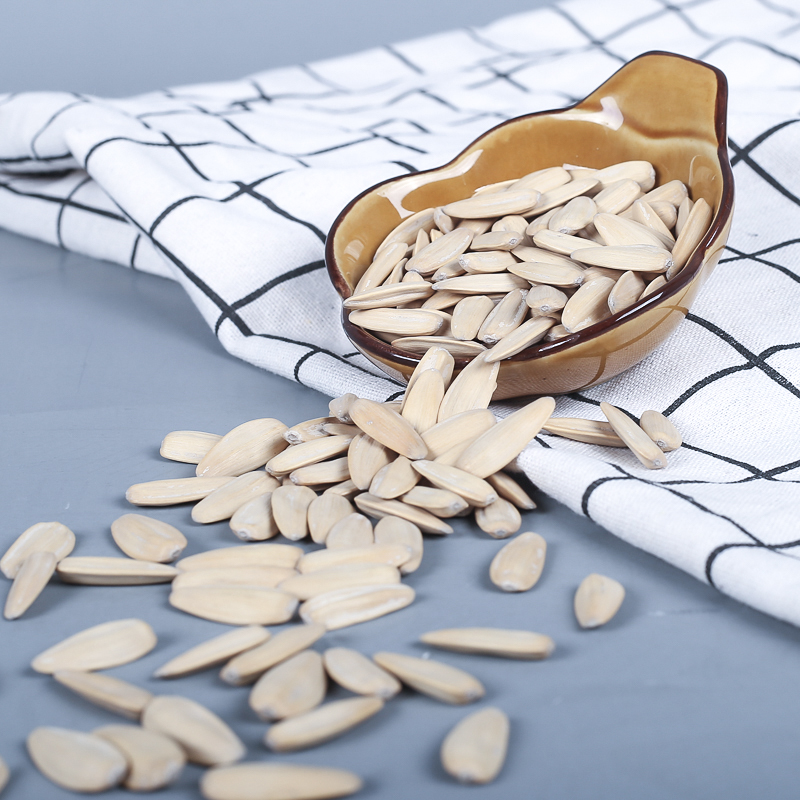
High quality unsalted sunflower seeds in shell represent a critical component in the snack food industry, functioning as both a direct consumer product and a valuable ingredient in compounded foods. Positioned within the agricultural commodity chain, these seeds are subject to rigorous quality control measures from cultivation through processing and packaging. Core performance characteristics encompass kernel weight, oil content, moisture levels, shell strength, and the absence of foreign materials or mycotoxins. Demand is driven by consumer preferences for healthy snacking options and increasing awareness of the nutritional benefits of sunflower seeds – namely their high vitamin E content, healthy fats, and protein. Maintaining consistent quality and adhering to international food safety standards are paramount concerns for both producers and procurement professionals.
Material Science & Manufacturing
Sunflower seeds ( Helianthus annuus) derive their properties from a complex interplay of genetic factors, growing conditions, and post-harvest processing. The seed itself consists of three primary components: the kernel (cotyledon), the hull (pericarp), and the embryo. The kernel's oil content, typically ranging from 40-55% depending on the variety, is composed predominantly of linoleic acid (a polyunsaturated omega-6 fatty acid) and oleic acid (a monounsaturated omega-9 fatty acid). The hull provides physical protection and contributes to the seed’s shelf life. Raw material selection is critical, emphasizing seed maturity and minimizing damage during harvest. Manufacturing involves cleaning, grading, dehulling (optional for in-shell seeds), drying, and sorting. Key parameters during drying – typically employing fluidized bed dryers – include temperature (maintained below 60°C to prevent oil oxidation) and air velocity to achieve a target moisture content of 8-10%. Shell strength, a critical quality attribute, is dependent on hull thickness and lignin content, influenced by both genetics and environmental stress during seed development. Contamination control, including the removal of weed seeds, stones, and other foreign materials, is achieved through a combination of mechanical sorting, aspiration, and optical sorting technologies.
Performance & Engineering
The performance of in-shell sunflower seeds is directly related to their physical integrity and resistance to damage during handling, transportation, and storage. Shell cracking represents a major quality defect, leading to kernel loss and increased susceptibility to rancidity. Force analysis reveals that shell strength is not isotropic; it varies depending on the direction of applied force, with resistance being highest along the longitudinal axis. Environmental resistance is crucial; exposure to high humidity can lead to mold growth (primarily Aspergillus and Penicillium species), while temperature fluctuations can accelerate lipid oxidation. Compliance requirements are governed by national and international food safety regulations, including limits on mycotoxin levels (aflatoxins, ochratoxins), heavy metal contamination (lead, cadmium), and pesticide residues. Packaging plays a vital engineering role, utilizing materials with appropriate barrier properties (oxygen transmission rate – OTR, water vapor transmission rate – WVTR) to prevent degradation and maintain seed quality. Optimizing packaging dimensions and palletization schemes is essential to minimize shipping costs and reduce the risk of mechanical damage during transit.
Technical Specifications
| Parameter | Unit | Specification (Grade A) | Testing Method |
|---|---|---|---|
| Kernel Weight | g | 0.5 – 0.7 | Automated Weighing System |
| Oil Content (Dry Basis) | % | 48 – 55 | Soxhlet Extraction |
| Moisture Content | % | 8 – 10 | Oven Drying Method (ASTM D974) |
| Shelling Percentage | % | 40 – 50 (For in-shell products, this refers to acceptable shell/kernel ratio) | Manual Separation and Weighing |
| Broken Kernels & Foreign Matter | % | ≤ 2 | Visual Inspection and Sieving |
| Aflatoxin Level (Total) | ppb | ≤ 20 | ELISA (Enzyme-Linked Immunosorbent Assay) |
Failure Mode & Maintenance
Failure modes for in-shell sunflower seeds primarily manifest as quality degradation, rendering them unacceptable for consumption. Common issues include shell cracking during handling, leading to kernel loss and increased oxidation; rancidity resulting from lipid peroxidation, indicated by off-flavors and odors; mold growth (particularly Aspergillus), leading to mycotoxin contamination; and insect infestation. Fatigue cracking of the shell can occur during prolonged storage or aggressive handling. Maintenance protocols focus on preventative measures rather than repair. Optimal storage conditions involve cool, dry environments (temperature < 20°C, relative humidity < 65%) with proper ventilation. Regular monitoring for insect activity and mold growth is crucial. Packaging integrity must be maintained to prevent moisture ingress and oxygen exposure. First-in, first-out (FIFO) inventory management minimizes storage time and reduces the risk of degradation. Periodic laboratory analysis for mycotoxins and oil quality is recommended. For larger-scale operations, utilizing controlled atmosphere storage (nitrogen flushing) can further extend shelf life by inhibiting oxidation and insect activity.
Industry FAQ
Q: What are the critical differences between oil-type and confectionary-type sunflower seeds, and how does this impact quality control?
A: Oil-type seeds are bred for high oil content, typically having smaller kernel size and thinner shells. Confectionary-type seeds prioritize larger kernel size, thicker shells, and a lower hull content for a more desirable eating experience. Quality control differs significantly; oil-type seed analysis focuses heavily on oil yield and fatty acid profile, while confectionary-type seed inspection emphasizes kernel size, shell strength, and the absence of hull fragments. Moisture content tolerances are also tighter for confectionary seeds due to their direct consumption.
Q: How do different drying methods impact the flavor profile and shelf life of sunflower seeds?
A: Rapid, high-temperature drying can lead to Maillard reaction products, causing undesirable darkening and off-flavors. Fluidized bed drying, with carefully controlled temperature and airflow, is preferred to minimize these effects. Vacuum drying offers the gentlest approach but is more expensive. Improperly dried seeds retain excessive moisture, accelerating rancidity and mold growth, drastically reducing shelf life.
Q: What are the implications of varying aflatoxin levels, and what preventative measures are most effective?
A: Aflatoxins are potent carcinogens produced by Aspergillus fungi. Regulatory limits vary by country, but even low levels pose a health risk. Preventative measures include pre-harvest irrigation management to minimize drought stress (a key factor in aflatoxin production), proper harvesting techniques to avoid kernel damage, rapid and thorough drying, and the application of antifungal treatments (where permitted by regulations). Regular testing is essential.
Q: What role does packaging play in maintaining the quality of in-shell sunflower seeds during long-distance transport?
A: Packaging is crucial. Multi-layer films with excellent barrier properties (low OTR and WVTR) are necessary to prevent oxidation and moisture uptake. Cushioning materials minimize mechanical damage during transit. Palletization schemes should be designed to distribute weight evenly and prevent crushing. Modified atmosphere packaging (MAP) with nitrogen flushing can further extend shelf life by displacing oxygen.
Q: How do different cultivars of sunflower seeds differ in terms of shell strength, and what testing methodologies are used to evaluate this property?
A: Shell strength varies considerably between cultivars. Some are specifically bred for ease of shelling, while others prioritize shell integrity for transport and storage. Shell strength is typically measured using compression testing equipment, applying force to the seed until cracking occurs. Statistical analysis of the fracture load provides a quantitative measure of shell strength. Impact testing is also used to simulate the forces encountered during handling.
Conclusion
High-quality unsalted sunflower seeds in shell represent a complex agricultural product demanding stringent quality control throughout the entire supply chain. From careful cultivar selection and optimized agricultural practices to precise post-harvest processing and robust packaging, each stage plays a critical role in delivering a safe, nutritious, and palatable product. Understanding the material science underpinning seed composition, coupled with diligent monitoring of key performance indicators – including oil content, moisture levels, and mycotoxin contamination – is essential for maintaining consistent quality and meeting regulatory requirements.
Future advancements in sunflower seed technology will likely focus on developing cultivars with enhanced shell strength, improved resistance to fungal infection, and optimized fatty acid profiles. The integration of advanced sensing technologies and predictive analytics will enable more proactive quality control and supply chain management, minimizing waste and maximizing product value. Continued adherence to international standards and best practices will be paramount for ensuring the long-term sustainability and consumer acceptance of this valuable food commodity.
