Introduction
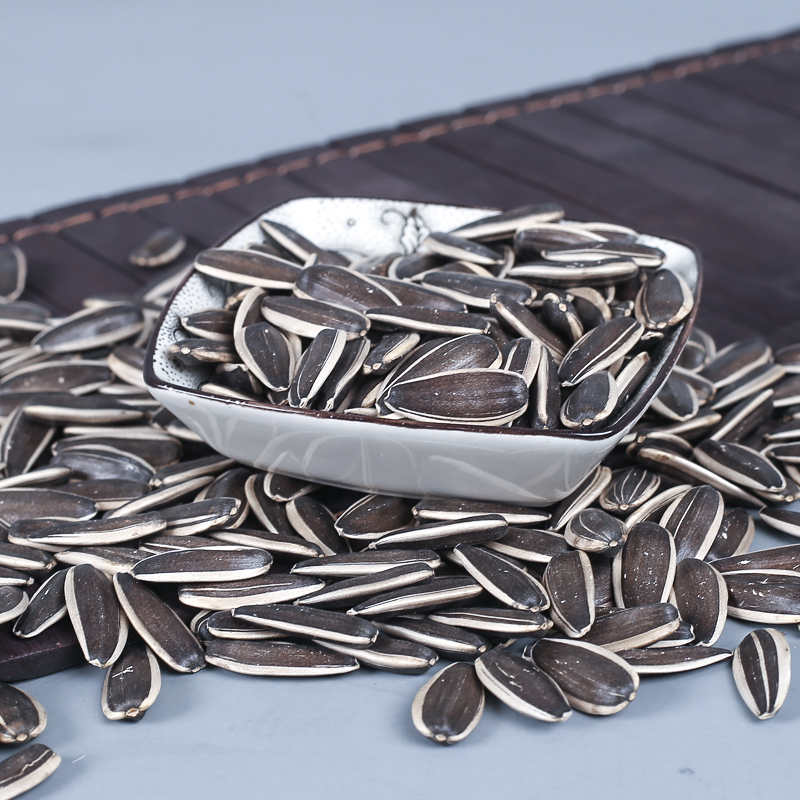
High-quality unroasted sunflower seeds ( Helianthus annuus ) represent a critical intermediate product within the food processing industry, specifically serving as a feedstock for snack food production, oil extraction, and increasingly, as a component in specialized nutritional supplements. Unlike fully processed roasted seeds, the unroasted form prioritizes preservation of inherent oil composition, protein structure, and bioactive compounds. This guide provides a comprehensive technical overview of these seeds, encompassing material science, manufacturing processes, performance characteristics, potential failure modes, and relevant industry standards. Core to the industry's concerns are maintaining seed viability for oil content, preventing lipid oxidation during storage, and ensuring freedom from contaminants like aflatoxins and heavy metals. The demand for unroasted seeds with consistent quality and traceability is driven by consumer preference for natural and minimally processed foods, creating significant quality control and supply chain challenges for producers.
Material Science & Manufacturing
The fundamental material science of unroasted sunflower seeds centers around their complex biochemical composition. The seed consists of approximately 35-55% oil, primarily linoleic acid (an omega-6 fatty acid) and oleic acid (an omega-9 fatty acid), with smaller amounts of palmitic and stearic acids. Protein content ranges from 20-25%, predominantly comprised of globulins and albumins. Carbohydrates constitute 15-20%, primarily as starch and non-starch polysaccharides in the hull. The seed coat (hull or pericarp) comprises 25-35% of the seed mass and provides physical protection. Manufacturing begins with controlled cultivation and harvesting to optimize seed maturity and minimize field contamination. Cleaning processes employing aspiration, screening, and density separation remove chaff, stems, and foreign materials. Crucially, drying is a critical parameter. Seeds are typically dried to 8-10% moisture content using controlled-temperature airflow systems. Excessive drying damages protein structure and reduces oil yield, while insufficient drying promotes microbial growth and lipid oxidation. Optical sorting technology is increasingly deployed to eliminate discolored or damaged seeds. Parameter control during drying is governed by seed temperature (maintained below 40°C to prevent denaturation of proteins), airflow velocity, and duration, all monitored via sensor networks and automated control systems. Hull percentage is a key metric; higher hull content reduces oil yield and increases processing costs. Genetic selection focuses on traits reducing hull proportion.
Performance & Engineering
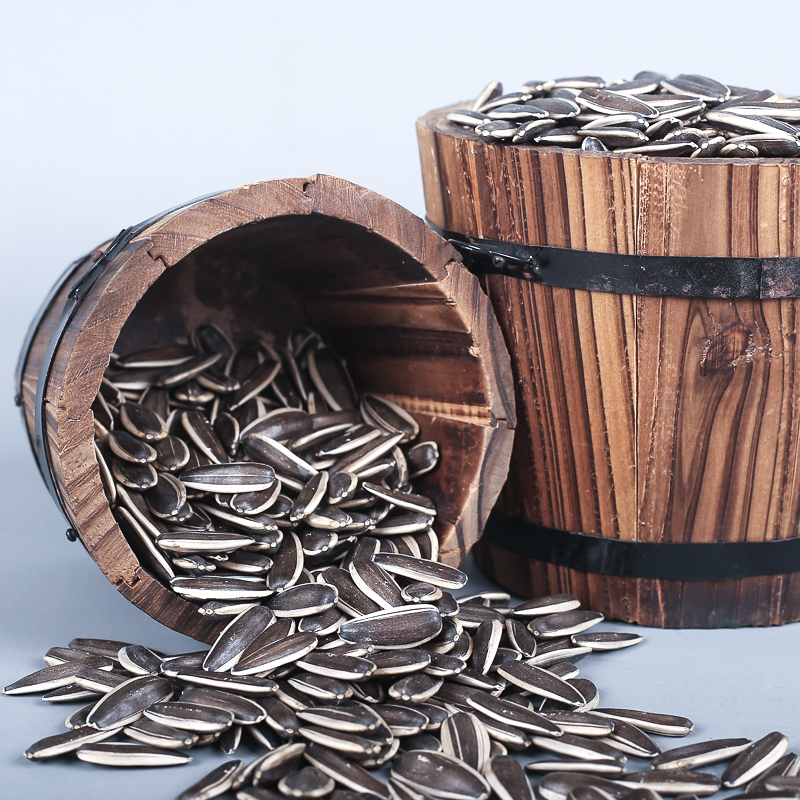
Performance evaluation of unroasted sunflower seeds focuses on several key engineering properties. Oil yield, determined via Soxhlet extraction or NMR spectroscopy, is paramount. Seed hardness, measured using a penetrometer, affects milling efficiency and oil extraction rates. Moisture content, monitored using a Karl Fischer titrator, directly impacts seed stability and susceptibility to fungal growth. Kernel soundness, assessed through visual inspection and mechanical damage analysis, indicates potential for breakage during processing. The seeds must withstand transport and storage stresses without significant kernel fracturing. Environmental resistance is crucial. Seeds are susceptible to degradation by humidity, temperature fluctuations, and oxygen exposure. Modified atmosphere packaging (MAP) employing nitrogen or carbon dioxide flushing mitigates oxidative damage. Compliance requirements are stringent. Aflatoxin levels, regulated by regulatory bodies worldwide, must be below specified thresholds (typically <20 ppb). Heavy metal content (lead, cadmium, mercury) is also strictly controlled. Packaging materials must be food-grade and provide an effective barrier against moisture and oxygen. Force analysis during shelling processes requires understanding the fracture mechanics of the hull and kernel. Optimal shelling parameters minimize kernel damage while maximizing oil recovery.
Technical Specifications
| Parameter | Unit | Specification (Grade A) | Specification (Grade B) |
|---|---|---|---|
| Oil Content (Dry Basis) | % | >50 | 45-50 |
| Moisture Content | % | <9 | 9-10 |
| Kernel Soundness | % | >98 | 95-98 |
| Hull Content | % | <20 | 20-25 |
| Aflatoxin Level (B1, B2, G1, G2) | ppb | <5 | <20 |
| Free Fatty Acid (FFA) | % (oleic acid) | <0.5 | 0.5-1.0 |
Failure Mode & Maintenance
Unroasted sunflower seeds are susceptible to several failure modes during storage and handling. Lipid oxidation is a primary concern, leading to rancidity and off-flavors. This is accelerated by exposure to oxygen, light, and elevated temperatures. Mitigation involves antioxidant addition (Vitamin E, tocopherols), MAP packaging, and cold storage. Microbial growth, particularly molds producing aflatoxins, is another significant threat. Proper drying, hygienic handling, and fungicide application during cultivation are preventative measures. Physical damage, such as kernel cracking or hull breakage, increases susceptibility to oxidation and microbial contamination. Gentle handling during harvesting, processing, and transportation is essential. Insect infestation can also cause significant losses. Insecticide application and proper storage sanitation are crucial. Maintenance protocols involve regular monitoring of temperature, humidity, and oxygen levels in storage facilities. Periodic testing for aflatoxins and FFA levels is recommended. Seed lots should be rotated based on a first-in, first-out (FIFO) inventory management system. Damage assessment should occur upon receipt of new shipments to identify compromised seed quality and inform segregation decisions. Controlled atmosphere storage facilities with continuous monitoring systems provide the highest level of preservation.
Industry FAQ
Q: What is the impact of varying linoleic to oleic acid ratios on the long-term storage stability of unroasted sunflower seeds?
A: Higher linoleic acid content, while desirable for certain nutritional profiles, renders the seeds more susceptible to lipid oxidation. Oleic acid is more stable. Seed varieties bred for high-oleic content (e.g., >70% oleic acid) exhibit significantly longer shelf life and reduced rancidity development, even under less-than-ideal storage conditions. Monitoring this ratio is a key quality control parameter.
Q: What are the best practices for mitigating aflatoxin contamination beyond pre-harvest fungicide application?
A: Post-harvest handling is critical. Rapid and thorough drying to <9% moisture content is essential. Employing optical sorters to remove visibly contaminated seeds adds a layer of protection. Implementing a robust HACCP plan with regular testing at multiple points in the supply chain (farm, processor, storage facility) is paramount. Proper storage facility sanitation and pest control are non-negotiable.
Q: How does hull percentage affect the overall economic viability of unroasted sunflower seed production?
A: Hull percentage directly impacts oil yield. A higher hull content reduces the proportion of valuable kernel material, decreasing oil output per unit of seed processed. This increases processing costs (de-hulling) and lowers profitability. Seed breeding programs prioritize traits that minimize hull size and weight.
Q: Can you elaborate on the advantages of modified atmosphere packaging (MAP) for unroasted sunflower seeds, specifically regarding gas mixtures?
A: MAP utilizing nitrogen or carbon dioxide effectively reduces oxygen levels, inhibiting lipid oxidation and microbial growth. Nitrogen is often preferred as it is inert and does not react with the seed components. Carbon dioxide can provide additional antimicrobial benefits but may also slightly increase moisture absorption. Optimal gas mixtures are determined based on storage duration and temperature; typically 95-99% nitrogen is used.
Q: What analytical techniques, beyond Karl Fischer titration, can accurately assess the moisture content of unroasted sunflower seeds and their potential limitations?
A: Near-infrared (NIR) spectroscopy offers a rapid, non-destructive alternative to Karl Fischer titration. However, NIR requires calibration against a reliable reference method (like Karl Fischer) and is sensitive to variations in seed composition. Oven drying at 105°C until constant weight is another established method but is more time-consuming and destructive. Microwave drying is faster but prone to uneven heating and potential degradation.
Conclusion
High-quality unroasted sunflower seeds represent a technically complex agricultural product demanding rigorous control across the entire supply chain. Maintaining optimal oil content, minimizing lipid oxidation, and preventing aflatoxin contamination are critical performance parameters that dictate product value and safety. Advancements in seed breeding, drying technologies, and packaging solutions continually refine production processes, yet a thorough understanding of material science principles and adherence to stringent quality control protocols remain paramount.
Future developments will likely focus on precision agriculture techniques to optimize seed maturity and minimize field contamination, coupled with the implementation of blockchain technology to enhance traceability and transparency. Further research into natural antioxidants and bio-preservatives will also be crucial for extending shelf life and reducing reliance on synthetic additives. Ultimately, the industry's success hinges on a holistic approach integrating scientific innovation with robust operational practices.
