Introduction
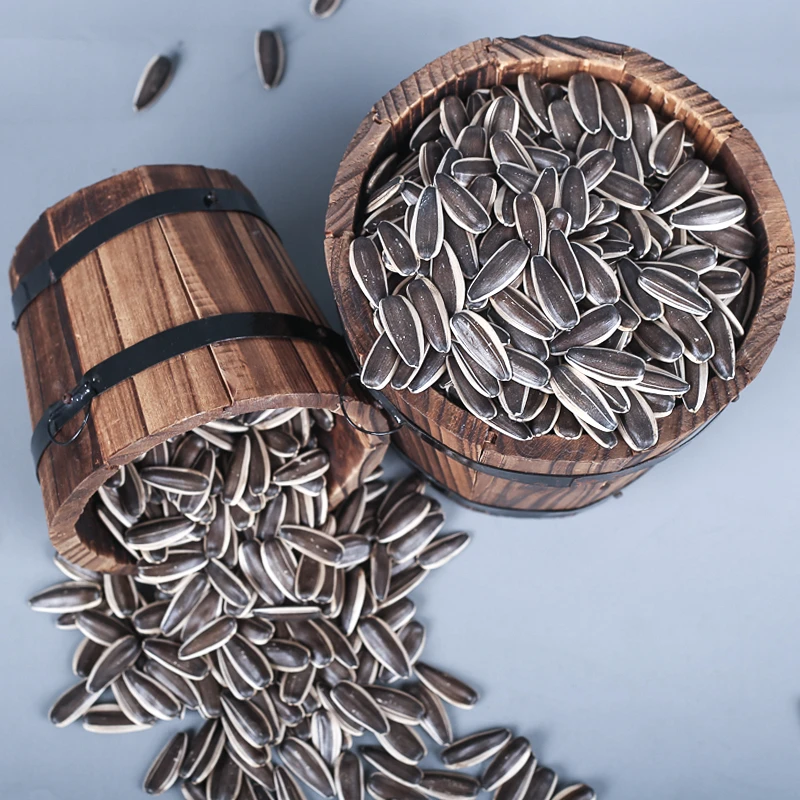
High quality unique sunflower seeds represent a specialized segment within the broader Helianthus annuus seed market, distinguished by superior agronomic characteristics, optimized oil content and quality, and enhanced hull properties. These seeds aren’t merely commodities; they are engineered inputs for food processing (oil extraction, confectionery), animal feed, and increasingly, for the emerging bioplastics and renewable fuel industries. Their technical position in the value chain extends from precision breeding and advanced agricultural practices, through complex mechanical harvesting and processing, ultimately impacting the final product’s functionality and consumer appeal. Key performance indicators center around oil yield (%), protein content (%), fatty acid profile (oleic, linoleic), hulling rate (%), and the presence/absence of specific phytochemicals impacting flavor and stability. Addressing core industry pain points related to seed consistency, mycotoxin contamination risk, and efficient oil extraction is paramount to delivering a commercially viable and competitively differentiated product.
Material Science & Manufacturing
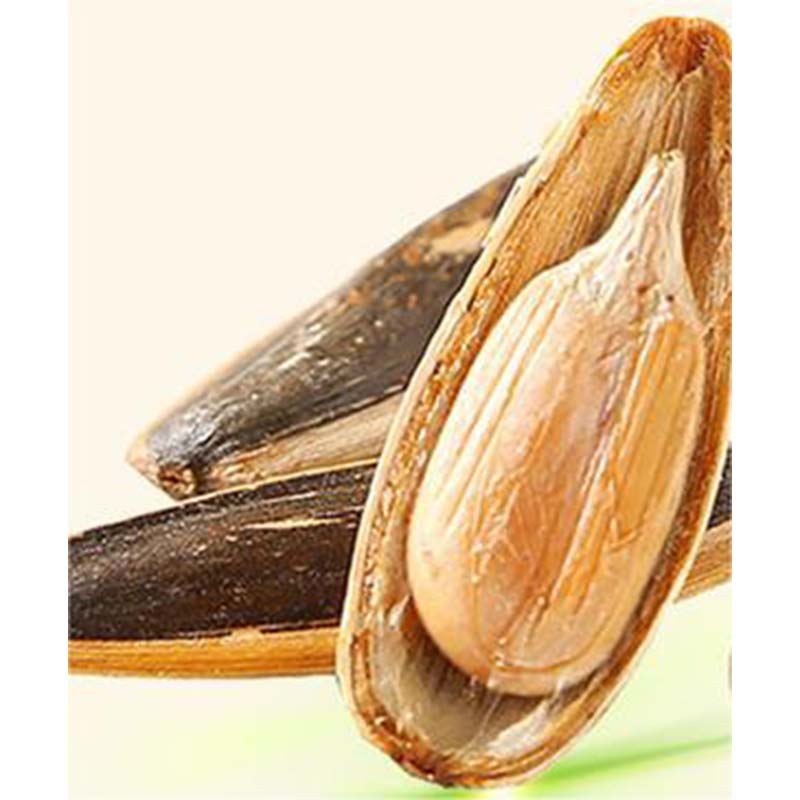
The foundational material science of high quality sunflower seeds revolves around the interplay of lipid, protein, carbohydrate, and fiber components within the seed’s kernel. The seed coat (hull) is primarily composed of cellulose, hemicellulose, and lignin, providing physical protection during growth and storage. Kernel oil content typically ranges from 40-55%, predominantly triglycerides comprising oleic, linoleic, and palmitic acids. The fatty acid profile directly impacts oil stability, nutritional value, and suitability for specific applications. Manufacturing begins with selective breeding programs focused on optimizing these traits. Seed production requires precise control of planting density, irrigation, fertilization (nitrogen, phosphorus, potassium), and pest/disease management. Harvesting is a critical phase, often employing combine harvesters equipped with specialized heads to minimize seed damage. Post-harvest processing involves cleaning (removal of debris), drying (to <8% moisture content to prevent fungal growth), dehulling (mechanical removal of the seed coat – a key determinant of oil yield), and grading based on size and quality. Parameter control during drying is vital, as excessive heat degrades oil quality. Dehulling efficiency impacts both oil yield and the quality of meal byproducts.
Performance & Engineering
Performance analysis of sunflower seeds extends beyond simple compositional analysis. Force analysis during dehulling dictates the energy requirement and potential for kernel damage. Hull strength is directly correlated to lignin content and cellulose fiber alignment. Environmental resistance, particularly to storage pests (e.g., Sitophilus granarius) and fungal pathogens (Aspergillus flavus – producing aflatoxins), is critical. Seed coatings are often applied to enhance pest resistance and protect against moisture uptake. Compliance requirements vary by region, but commonly include standards for mycotoxin levels (aflatoxin B1, ochratoxin A), pesticide residue limits (regulated by EPA, EU regulations), and genetically modified organism (GMO) labeling (where applicable). Functional implementation necessitates understanding the seed’s behavior during oil extraction (cold pressing, solvent extraction), confectionery processing (roasting, salting), and animal feed formulation (protein digestibility). Seed size and shape influence fluidization characteristics in pneumatic conveying systems, impacting processing efficiency. The oil's viscosity, saponification value, and iodine value are key parameters dictating its suitability for various industrial applications (e.g., biodiesel production).
Technical Specifications
| Parameter | Unit | Typical Range (High Quality Varieties) | Testing Method |
|---|---|---|---|
| Oil Content | % (dry weight basis) | 48-55 | Soxhlet Extraction (AOCS Official Method) |
| Protein Content | % (dry weight basis) | 18-24 | Kjeldahl Method (AOCS Official Method) |
| Oleic Acid Content | % of total fatty acids | 60-85 (High Oleic) | Gas Chromatography-FID (AOCS Official Method) |
| Linoleic Acid Content | % of total fatty acids | 10-40 (High Oleic) | Gas Chromatography-FID (AOCS Official Method) |
| Hulling Rate | % | >90 | Mechanical Dehuller Efficiency Test |
| Aflatoxin B1 | ppb | <20 | ELISA Assay (AOAC Official Method) |
Failure Mode & Maintenance
Failure modes in high quality sunflower seeds primarily manifest as reduced oil yield, decreased germination rates (if intended for replanting), and compromised product quality due to microbial contamination. Fatigue cracking of the hull during harvesting and handling can lead to seed breakage and increased susceptibility to fungal invasion. Lipid oxidation, triggered by exposure to oxygen, light, and heat, results in rancidity and reduced oil quality. Aflatoxin contamination represents a significant failure mode, rendering the seeds unusable for human or animal consumption. Proper storage is crucial for maintenance. This includes maintaining low moisture content (<8%), controlling storage temperature (<20°C), ensuring adequate ventilation, and implementing pest control measures. Regular monitoring for aflatoxin levels is essential. Seed treatments with antifungal compounds can provide preventative protection. For seeds intended for confectionery, maintaining hull integrity is paramount, requiring careful handling and optimized dehulling parameters. Preventative maintenance of harvesting and processing equipment minimizes mechanical damage and ensures consistent seed quality.
Industry FAQ
Q: What are the key differences between conventional and high oleic sunflower seeds, and what are the implications for oil stability?
A: Conventional sunflower oil typically contains around 68% linoleic acid and 20% oleic acid. High oleic varieties, through genetic breeding, have been engineered to contain >70-85% oleic acid and significantly reduced linoleic acid levels. Higher oleic acid content increases oxidative stability, resulting in longer shelf life, reduced polymerization during frying, and improved flavor retention. This translates to lower production costs for food manufacturers and a more appealing product for consumers.
Q: How do you ensure consistent aflatoxin levels meet regulatory standards, especially during periods of high humidity?
A: A multi-faceted approach is critical. This includes sourcing seeds from regions with lower aflatoxin prevalence, employing pre-harvest treatments with bio-control agents, rigorous quality control at harvest (rejecting any visibly moldy seeds), rapid and thorough drying to <8% moisture content, and implementing temperature-controlled storage. Regular aflatoxin testing (using ELISA or HPLC) throughout the storage process is non-negotiable. We also maintain detailed traceability records to identify and isolate any potential contamination sources.
Q: What is the impact of dehulling efficiency on overall oil yield and meal quality?
A: Dehulling efficiency directly affects oil yield – a higher rate means less oil remains trapped within the hull. Inefficient dehulling also leads to increased fines (small seed fragments) which can complicate oil extraction. Meal quality (protein content and digestibility) is impacted as hulls reduce the concentration of valuable proteins. Optimized dehulling requires precise adjustment of machine settings, pre-conditioning of the seeds (moisture content), and regular maintenance of the dehulling equipment.
Q: Can you discuss the challenges related to maintaining genetic purity of unique sunflower seed varieties?
A: Maintaining genetic purity is a constant challenge. Cross-pollination with neighboring sunflower fields can lead to genetic drift. We employ strict isolation distances between fields growing different varieties, utilize staggered planting schedules, and implement rigorous seed selection and breeder seed production programs. Molecular marker analysis is used to verify the genetic identity and purity of each seed lot. This ensures that the unique traits of our varieties are consistently maintained.
Q: What sustainability practices are incorporated into the production of your high quality sunflower seeds?
A: We prioritize sustainable agricultural practices. This includes minimizing pesticide and fertilizer use through precision agriculture techniques, implementing no-till farming methods to reduce soil erosion, promoting biodiversity through crop rotation, and utilizing water-efficient irrigation systems. We are also actively researching and implementing cover cropping strategies to improve soil health and sequester carbon. Furthermore, our processing facilities are designed to minimize water consumption and energy usage.
Conclusion
The production of high quality unique sunflower seeds is a complex interplay of genetics, agronomy, and sophisticated processing technologies. Achieving optimal oil yield, nutritional profile, and storage stability requires meticulous attention to detail at every stage of the value chain. The ability to consistently deliver seeds that meet stringent quality standards, particularly concerning mycotoxin levels and fatty acid composition, is the defining characteristic of a successful supplier.
Future advancements will likely focus on further enhancing oil quality through targeted breeding programs (e.g., increasing stearic acid content), developing more efficient and sustainable dehulling technologies, and improving resistance to emerging pests and diseases. The increasing demand for plant-based oils and renewable materials positions high quality sunflower seeds as a strategically important agricultural commodity with significant growth potential.
