Introduction
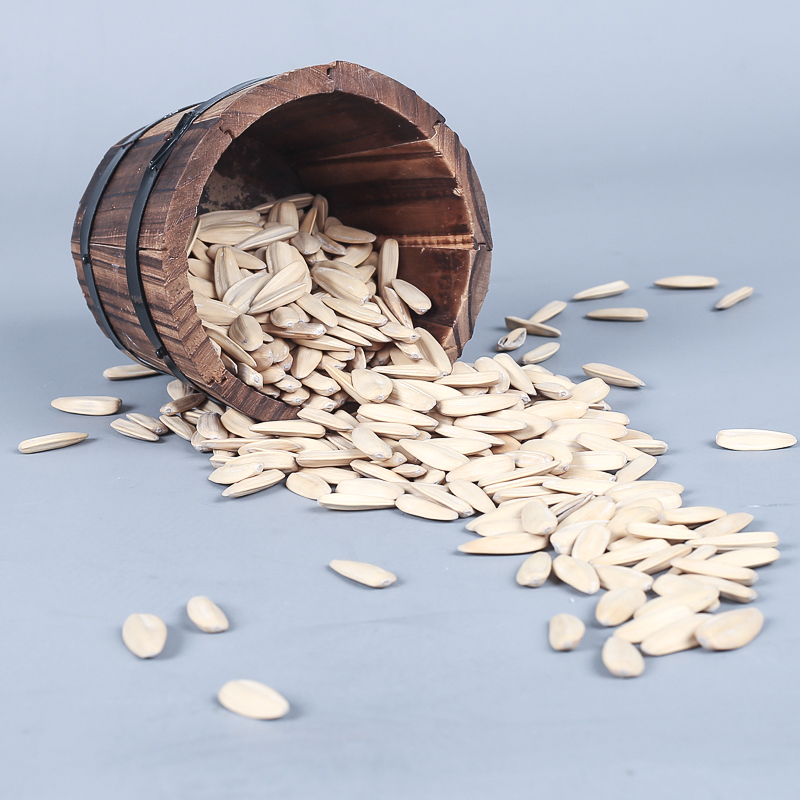
High quality sunflower seeds ( Helianthus annuus) represent a significant segment of the edible seed market, valued for their nutritional profile and versatility. Within the broader oilseed agricultural chain, these seeds occupy a specialized niche – direct human consumption – distinguishing them from varieties primarily destined for oil extraction. Their production demands rigorous quality control, encompassing genetic selection for kernel size and oil content, careful harvesting practices to minimize damage, and effective post-harvest processing to ensure food safety and palatability. Core performance characteristics include oil content (typically 40-50% by weight), protein content (20-25%), and the absence of detrimental compounds like gossypol, a toxin found in cotton seeds. This guide details the material science, manufacturing processes, performance characteristics, potential failure modes, and industry standards associated with producing and assessing high quality sunflower seeds intended for direct consumption.
Material Science & Manufacturing
The primary raw material is the sunflower seed kernel itself, derived from hybridized sunflower varieties. The kernel’s composition is dominated by lipids – primarily linoleic acid (an omega-6 fatty acid) and oleic acid (an omega-9 fatty acid). Protein components are largely globulins and albumins, providing essential amino acids. Carbohydrates are present at lower concentrations, primarily as starch. The seed hull, or pericarp, consists of cellulose, hemicellulose, and lignin, providing structural integrity. Manufacturing begins with field cultivation, prioritizing soil composition (loamy soils are ideal) and irrigation. Harvesting is critical, typically occurring when the seed moisture content reaches 18-20%. Mechanical harvesting utilizes combine harvesters which thresh, separate, and clean the seeds. Subsequent drying, typically to 8-9% moisture content, is vital to prevent fungal growth and maintain seed viability. De-hulling, a mechanical process separating the kernel from the pericarp, is often employed for confectionary seeds, enhancing palatability. Kernel grading by size and density follows, with sophisticated optical sorting technology removing discolored, damaged, or foreign material. Finally, surface treatments – such as coating with salt or flavoring agents – are applied before packaging. Parameter control during drying is paramount; excessive temperatures degrade oil quality, while insufficient drying encourages mold growth. Hulling efficiency impacts yield and kernel damage. Optical sorting algorithms must be constantly refined to detect subtle defects.
Performance & Engineering
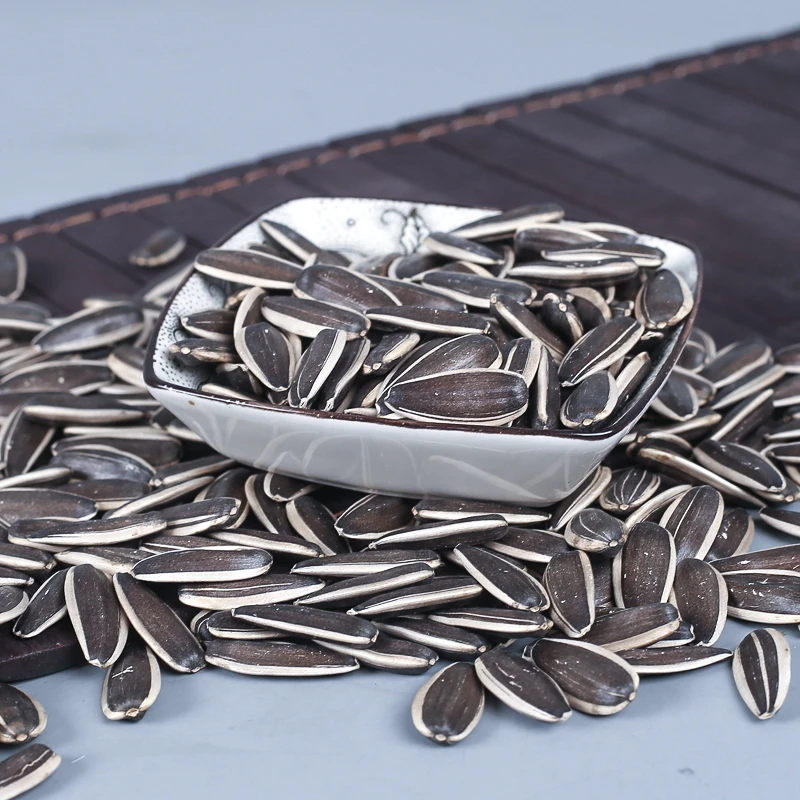
Performance evaluation of sunflower seeds focuses on several key engineering principles. Kernel strength is critical; seeds must withstand handling during processing, packaging, and transportation without cracking. This strength is governed by the material properties of the kernel, particularly its tensile strength and fracture toughness. Moisture content plays a significant role – lower moisture content generally equates to increased brittleness. Surface hardness affects the “snap” experienced during consumption, a significant sensory attribute. Oil stability is a critical performance indicator. Lipid oxidation, catalyzed by enzymes and accelerated by light and heat, leads to rancidity and off-flavors. Antioxidants, either naturally present or added during processing, mitigate oxidation. Barrier properties of packaging materials (discussed in packaging standards) are crucial for preventing oxygen and moisture ingress. Compliance requirements include adherence to food safety regulations (e.g., FDA in the US, EFSA in Europe) regarding permissible levels of heavy metals, pesticides, and mycotoxins. Germination rate, while not directly related to edible seed quality, is often monitored as an indicator of overall seed viability and processing quality. Force analysis during cracking (to simulate consumption) reveals the force required to break the kernel, correlating with perceived texture. Environmental resistance, specifically to temperature fluctuations during storage and transport, impacts oil stability and kernel integrity.
Technical Specifications
| Parameter | Unit | Typical Range (Confectionary Grade) | Testing Method |
|---|---|---|---|
| Oil Content | % (Dry Weight Basis) | 48-54 | Nuclear Magnetic Resonance (NMR) Spectroscopy |
| Kernel Size (Diameter) | mm | 12-16 | Sieve Analysis |
| Moisture Content | % | 8-9 | Oven Drying Method (AOAC) |
| Free Fatty Acid (FFA) | % (Oleic Acid Basis) | <0.2 | Titration (AOCS method) |
| Peroxide Value (PV) | meq O2/kg | <5 | Iodometric Titration (AOCS method) |
| Aflatoxin B1 | ppb | <2 | ELISA or HPLC |
Failure Mode & Maintenance
Sunflower seeds are susceptible to several failure modes. Lipid oxidation, as previously mentioned, leads to rancidity, manifested as off-flavors and odors. This is a primary cause of quality degradation during storage. Mechanical damage during harvesting, processing, and handling results in cracked kernels, reducing their aesthetic appeal and increasing susceptibility to oxidation. Infestation by insects and rodents introduces contamination and reduces seed weight. Fungal growth, particularly Aspergillus species, can produce mycotoxins (aflatoxins) which are highly toxic. Delamination – separation of the kernel from the seed coat – occurs due to improper drying or mechanical stress. Maintenance involves strict adherence to Good Manufacturing Practices (GMPs) throughout the entire production chain. This includes regular cleaning and sanitation of equipment, pest control measures, controlled storage conditions (low temperature, low humidity), and regular monitoring of seed quality parameters (oil stability, moisture content, aflatoxin levels). Packaging integrity is paramount; damaged packaging allows oxygen and moisture ingress, accelerating degradation. Implementing a robust traceability system allows for rapid identification and recall of affected batches in case of contamination.
Industry FAQ
Q: What is the significance of the FFA value in sunflower seeds?
A: The Free Fatty Acid (FFA) value indicates the degree of lipid hydrolysis, a process where triglycerides break down into free fatty acids. A higher FFA value signifies greater degradation of the oil, often due to enzymatic activity or improper storage. Elevated FFA contributes to rancidity and reduces the shelf life of the seeds.
Q: How does kernel size impact market value?
A: Generally, larger kernel sizes are preferred in confectionary sunflower seeds as they offer a more substantial “bite” and are perceived as higher quality by consumers. Grading systems often categorize seeds based on size, with larger seeds commanding a premium price.
Q: What are the primary methods for controlling aflatoxin contamination?
A: Control begins in the field with minimizing stress to the plants (adequate irrigation, fertilization, pest control) and avoiding damage to the seed heads. Proper drying and storage are critical, as aflatoxins are produced by Aspergillus fungi under warm, humid conditions. Sorting technologies can remove visibly moldy seeds, but this is not always effective. Regular testing for aflatoxin levels is essential.
Q: How does the packaging material affect seed quality?
A: Packaging material must provide a barrier against oxygen, moisture, and light, all of which contribute to oil oxidation and seed degradation. Materials with low oxygen transmission rates (OTR) and low water vapor transmission rates (WVTR) are preferred. Metalized films or multi-layer laminates are commonly used. The packaging should also be robust enough to protect the seeds from physical damage during handling and transport.
Q: What is the role of antioxidants in sunflower seed preservation?
A: Antioxidants, such as Vitamin E (tocopherols) naturally present in sunflower seeds, inhibit lipid oxidation by scavenging free radicals. Additional antioxidants can be added during processing to further enhance oil stability and extend shelf life. These include synthetic antioxidants like BHA and BHT, although their use is subject to regulatory restrictions.
Conclusion
The production of high quality sunflower seeds for direct consumption is a complex process requiring meticulous attention to detail at every stage – from genetic selection and agricultural practices to post-harvest processing and packaging. Maintaining optimal oil stability, minimizing mechanical damage, and preventing contamination are paramount concerns. The technical specifications detailed in this guide provide a framework for assessing seed quality, and adherence to relevant industry standards is essential for ensuring food safety and consumer satisfaction.
Future developments in this field will likely focus on optimizing harvesting techniques to minimize kernel damage, developing more effective antioxidant systems, and employing advanced packaging technologies to further enhance shelf life. Furthermore, advancements in optical sorting and machine learning algorithms will improve the efficiency of defect detection and quality control. Continued research into the genetic basis of oil stability and kernel strength will also contribute to the production of superior sunflower seed varieties.
