Introduction
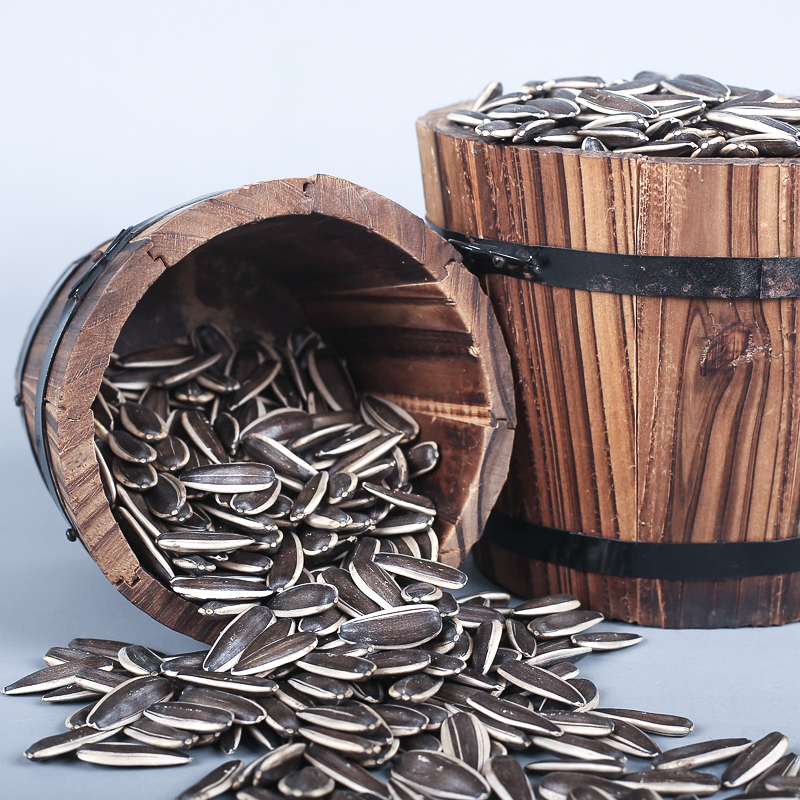
High-quality sunflower seeds ( Helianthus annuus ) represent a critical component of the global food, feed, and oilseed industries. Their technical positioning within the agricultural supply chain is as a primary oilseed source, competing with soybeans, rapeseed, and palm oil. Sunflower seeds are categorized based on oil content (high-oleic, mid-oleic, linoleic), hull percentage (confectionary, oilseed), and fatty acid profile. Core performance characteristics include oil yield, protein content, kernel size and weight, and germination rate, all fundamentally impacting processing efficiency and end-product quality. The industry faces increasing demands for seeds with improved oil quality for nutritional applications, enhanced disease resistance due to fungal pathogens (e.g., Sclerotinia sclerotiorum), and adaptability to changing climatic conditions. Confectionary varieties, prized for their large kernel size and ease of shelling, present unique quality control challenges compared to oilseed types requiring efficient oil extraction.
Material Science & Manufacturing
Sunflower seeds’ material science is largely dictated by their biochemical composition. The kernel consists of approximately 40-50% oil, primarily triglycerides of linoleic, oleic, and palmitic acids. Protein content ranges from 18-25%, with albumin, globulin, and prolamin fractions being dominant. Carbohydrates (10-20%) are mainly starch, influencing texture and digestibility. The hull, a protective outer layer, is composed of cellulose, hemicellulose, and lignin, providing structural rigidity. Manufacturing begins with genetic selection for desired traits, followed by field cultivation. Post-harvest processing includes drying to reduce moisture content (typically 8-10%), cleaning to remove debris, and dehulling (for confectionary seeds). Oil extraction (mechanical pressing or solvent extraction with hexane) is the critical step for oilseed varieties. Key parameter control during drying is paramount to prevent cracking and maintain oil quality; temperature and airflow are precisely managed. Dehulling efficiency affects kernel damage and overall yield. Solvent extraction requires rigorous control of hexane residue levels to meet food safety standards.
Performance & Engineering
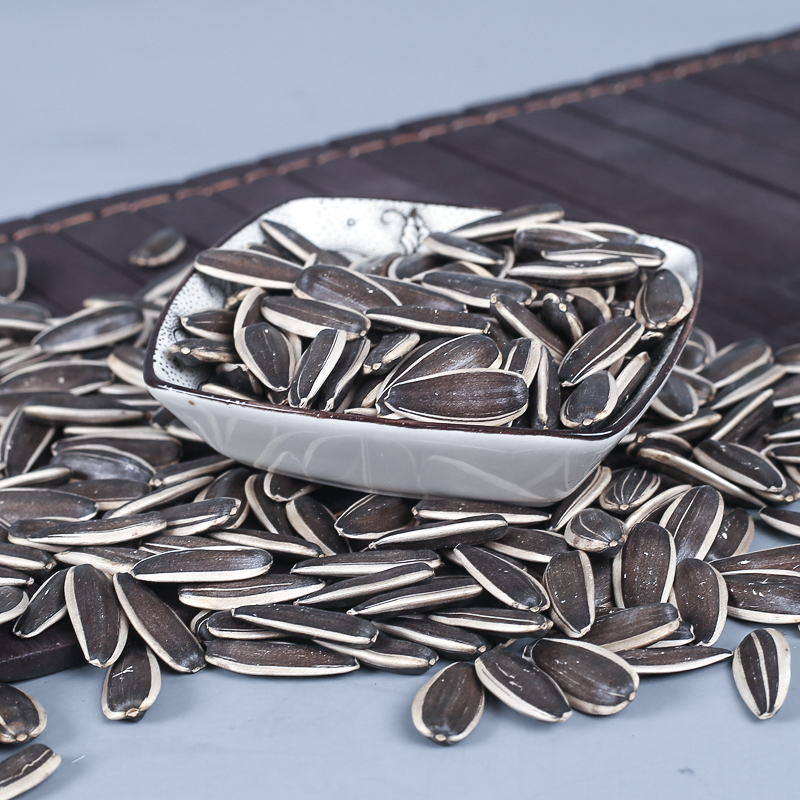
The performance of sunflower seeds is intimately linked to their physical properties and response to environmental stressors. Force analysis during shelling (confectionary seeds) focuses on kernel fracture strength and hull-kernel adhesion. Higher force requirements indicate tougher hulls, potentially reducing processing efficiency. Environmental resistance encompasses tolerance to drought, heat stress, and fungal pathogens. Germination rate, critical for seed viability, is affected by seed moisture content, temperature, and oxygen availability. Compliance requirements related to genetically modified organisms (GMOs) vary by region, necessitating robust traceability systems. Oil quality is paramount, specifically the ratio of linoleic to oleic acid, which influences oxidative stability and shelf life. High-oleic sunflower oil, with its increased stability, is preferred for frying applications. Engineering efforts focus on optimizing seed coat characteristics for efficient oil extraction and developing varieties resistant to Sclerotinia head rot, a devastating fungal disease impacting yield. Kernel density impacts sedimentation rates during oil processing, requiring careful optimization.
Technical Specifications
| Oil Content (%) | Protein Content (%) | Kernel Weight (g) | Hull Percentage (%) | Linoleic Acid (%) | Germination Rate (%) |
|---|---|---|---|---|---|
| 48-52 | 20-24 | 0.8-1.2 | 28-32 | 55-65 | 85-95 |
| 40-45 | 18-22 | 0.6-0.9 | 35-40 | 60-70 | 75-85 |
| 50-55 | 22-26 | 1.0-1.4 | 25-30 | 40-50 | 90-98 |
| 42-48 | 19-23 | 0.7-1.1 | 30-35 | 50-60 | 80-90 |
| 52-58 | 24-28 | 1.1-1.5 | 22-27 | 35-45 | 92-99 |
| 45-50 | 20-25 | 0.8-1.2 | 32-38 | 52-62 | 82-92 |
Failure Mode & Maintenance
Failure modes in sunflower seeds can be broadly categorized into pre-harvest, post-harvest, and storage-related issues. Pre-harvest failures include seed abortion due to stress (drought, heat), bird damage, and infection by pathogens like Sclerotinia. Post-harvest failures encompass mechanical damage during harvesting and processing (cracking, kernel breakage). Storage failures are primarily due to insect infestation (e.g., Sitophilus oryzae - rice weevil), fungal growth (leading to mycotoxin contamination, particularly aflatoxins), and lipid oxidation (rancidity). Fatigue cracking within the kernel can occur due to repeated stress during handling. Delamination of the kernel from the hull impacts oil extraction efficiency. Degradation of oil quality is caused by enzymatic hydrolysis and oxidation, accelerating rancidity. Maintenance and preventative measures include proper drying to optimal moisture levels, airtight storage in cool, dry conditions, insect monitoring and control (using pheromone traps and approved insecticides), and regular quality checks for mycotoxins and oil quality parameters (peroxide value, acidity). Implementing a robust cleaning process to remove foreign material is crucial. Seed treatments with fungicides can prevent fungal growth during storage.
Industry FAQ
Q: What is the primary difference between confectionary and oilseed sunflower varieties in terms of quality control?
A: Confectionary varieties require stricter quality control regarding kernel size, shape, and damage. Hull strength is also critical, as easy shelling is a key attribute. Oilseed varieties prioritize oil yield and oil quality (oleic/linoleic ratio), with less emphasis on kernel appearance. Mycotoxin levels are a concern for both, but visual defects are more impactful for confectionary markets.
Q: How does storage temperature affect the shelf life of sunflower seeds?
A: Storage temperature is a primary determinant of shelf life. Higher temperatures accelerate lipid oxidation and enzymatic activity, leading to rancidity and reduced oil quality. Ideal storage temperatures are below 15°C (59°F), with lower temperatures further extending shelf life. Controlled atmosphere storage (reducing oxygen levels) is also beneficial.
Q: What are the key indicators of oil quality in sunflower seeds?
A: Key indicators include oil content, fatty acid profile (oleic/linoleic ratio), peroxide value (measures oxidation), acidity, and iodine value (indicates unsaturation). Low peroxide values and acidity are indicative of high-quality oil. The presence of conjugated dienes also signals oxidation.
Q: What are the potential risks associated with hexane residue in solvent-extracted sunflower oil?
A: Hexane is a neurotoxin. Regulatory limits for hexane residue in vegetable oils are strictly enforced. Exposure to high levels of hexane can cause neurological effects. Proper solvent extraction and stripping procedures are essential to minimize residual hexane levels. Regular testing is required to ensure compliance.
Q: How important is genetic resistance to Sclerotinia head rot in modern sunflower breeding programs?
A: Genetic resistance to Sclerotinia head rot is critically important. Sclerotinia sclerotiorum can cause significant yield losses, especially under humid conditions. Breeding programs prioritize incorporating resistance genes into commercial varieties, reducing the need for extensive fungicide applications.
Conclusion
High-quality sunflower seeds represent a complex agricultural commodity governed by intricate material science principles and rigorous quality control parameters. Optimizing performance – from germination rates to oil yield and fatty acid profiles – requires a comprehensive understanding of genetic factors, environmental influences, and post-harvest processing techniques. The increasing demands for sustainable agricultural practices and improved oil quality necessitate continued innovation in breeding programs and processing technologies.
Future trends will likely focus on developing sunflower varieties with enhanced drought tolerance, disease resistance (particularly to emerging fungal pathogens), and improved oil quality characteristics tailored to specific nutritional applications. Implementing advanced monitoring technologies throughout the supply chain, coupled with robust traceability systems, will be essential to ensure product safety and maintain consumer confidence. Addressing the challenges of climate change and optimizing resource utilization will be critical for the long-term sustainability of the sunflower industry.
