Introduction
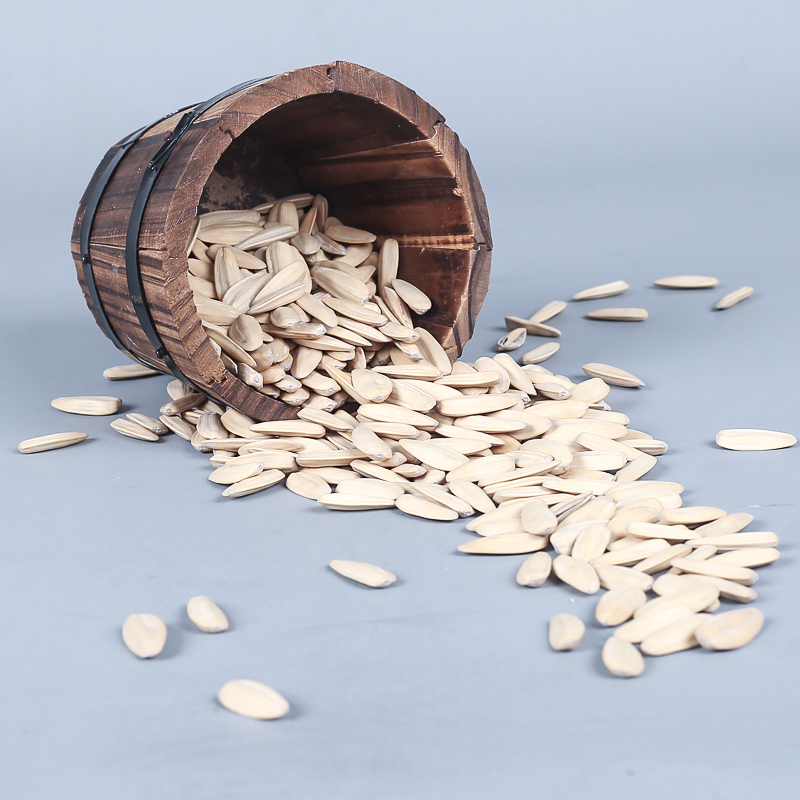
High quality sunflower plants, specifically those cultivated for oilseed and confectionary applications, represent a significant sector within global agricultural commodity markets. These plants, Helianthus annuus, are categorized by a combination of genetic lineage, agronomic traits, and resultant seed composition. Their technical position in the value chain extends from seed breeding and genetic modification to large-scale farming, oil extraction/processing, and ultimately, finished product delivery – encompassing edible oils, birdseed, snacks, and industrial applications. Core performance characteristics, crucial for industry stakeholders, center on oil content (typically 40-50% by weight), protein content, linoleic/oleic acid ratios, seed size and weight consistency, and resistance to common diseases like rust and downy mildew. The optimization of these parameters is critical for maximizing yield, oil quality, and processing efficiency, addressing a primary pain point within the industry: the need for stable, high-yielding cultivars under varying environmental conditions.
Material Science & Manufacturing
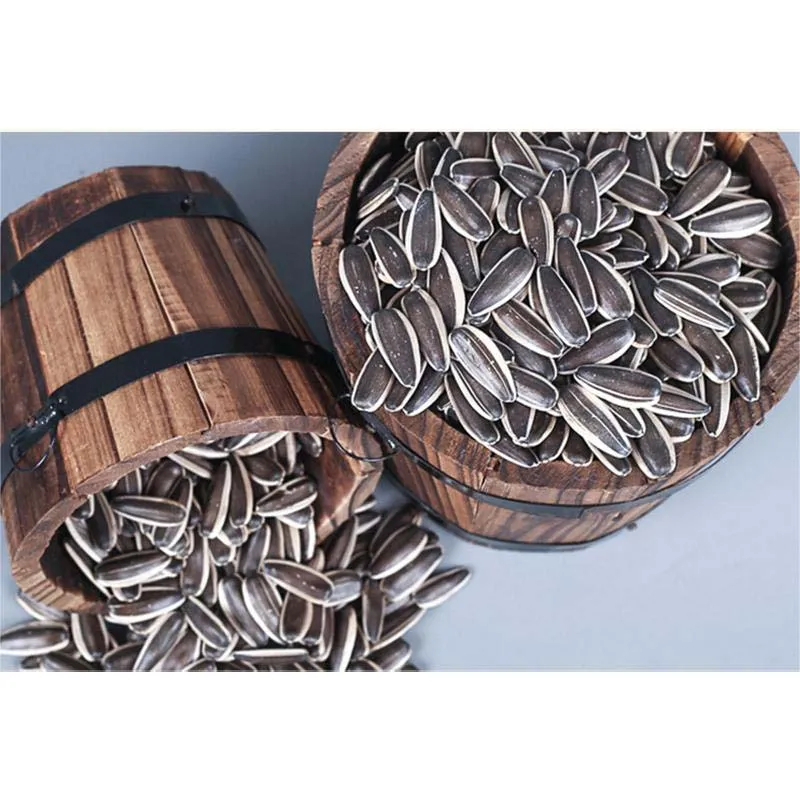
The foundational material science of high quality sunflower plants lies in the composition of their seeds and the structural integrity of the plant itself. The seed consists of a hull (pericarp), kernel (cotyledons), and embryo. The hull comprises cellulose, hemicellulose, and lignin, providing physical protection. The kernel is rich in lipids (triglycerides), proteins (globulins, albumins), carbohydrates, and minor components like phospholipids, waxes, and pigments. Oil composition varies significantly by cultivar, dictating its suitability for different applications. Manufacturing, in this context, refers to the agricultural processes involved in plant propagation, growth, and seed harvest. Seed selection is paramount, utilizing hybrid vigor (heterosis) to maximize yield and desirable traits. Controlled environment agriculture (CEA) techniques, including precision irrigation, fertilization based on soil analysis, and integrated pest management, are increasingly employed. Harvesting requires precise timing to minimize seed loss and damage, typically achieved with combine harvesters. Post-harvest drying is crucial, reducing moisture content to below 9% to prevent fungal growth and maintain seed viability. Key parameter control focuses on maintaining seed moisture, temperature, and minimizing mechanical damage during handling. Genetic modification techniques, employing CRISPR-Cas9 or traditional breeding methods, target traits like increased oil content, improved fatty acid profiles, and disease resistance.
Performance & Engineering
Performance evaluation of sunflower cultivars focuses on several engineering principles. Force analysis, particularly related to stem strength and lodging resistance, is critical. Cultivars with high tensile strength and flexibility are less prone to stem breakage under wind stress, maximizing harvestable yield. Environmental resistance encompasses tolerance to drought, heat stress, and salinity. These are often assessed through controlled experiments simulating adverse conditions. Compliance requirements dictate adherence to regulations regarding pesticide use, genetically modified organisms (GMOs), and seed purity standards, varying by geographic region. Functional implementation relates to oil extraction efficiency, determined by seed size, shape, and oil body distribution within the kernel. The oil extraction process, typically involving solvent extraction (hexane) or mechanical pressing, aims to maximize oil recovery while minimizing residual solvent levels. Seed coat hardness affects extraction efficiency. Engineering solutions include optimization of combine harvester settings to reduce seed damage and the development of cultivars with improved oil expulsion characteristics. The physical properties like bulk density and flowability also influence handling and storage logistics. Assessing these parameters necessitates rigorous testing and quality control measures throughout the production cycle.
Technical Specifications
| Cultivar | Oil Content (%) | Linoleic/Oleic Acid Ratio | Plant Height (cm) | Maturity Days | Disease Resistance |
|---|---|---|---|---|---|
| Peredovik | 48-52 | 65:35 | 170-190 | 100-110 | Rust, Downy Mildew (Moderate) |
| Pioneer P64A85 | 46-50 | 70:30 | 180-200 | 105-115 | Rust, Sclerotinia (High) |
| Syngenta NK Admire | 49-53 | 60:40 | 160-180 | 95-105 | Rust, Verticillium Wilt (Moderate) |
| Belosolny | 50-54 | 55:45 | 190-210 | 110-120 | Rust, Phomopsis (High) |
| Hysun 33 | 44-48 | 68:32 | 150-170 | 90-100 | Rust, Powdery Mildew (Moderate) |
| RAGT Helio | 47-51 | 62:38 | 175-195 | 108-118 | Rust, Sclerotinia (High) |
Failure Mode & Maintenance
Failure modes in high quality sunflower production can be categorized into agronomic and post-harvest failures. Agronomic failures include lodging (stem breakage due to wind or rain), disease outbreaks (rust, downy mildew, sclerotinia), pest infestations (sunflower moth, aphids), and nutrient deficiencies. These failures result in reduced yields and seed quality. Stem breakage is often initiated by fatigue cracking at the base of the plant, exacerbated by high winds and weak stem tissues. Disease progression leads to necrosis and reduced photosynthetic capacity. Post-harvest failures involve seed degradation due to improper drying and storage conditions. Moisture content above 9% promotes fungal growth (Aspergillus flavus, producing aflatoxins), reducing oil quality and creating a health hazard. Physical damage during handling (cracking, chipping) lowers seed quality and germination rates. Maintenance solutions include implementing preventative disease management strategies (fungicide application, resistant cultivars), employing integrated pest management techniques, optimizing fertilization based on soil tests, and ensuring proper drying and storage conditions. Regular monitoring for pests and diseases is critical. Storage facilities should be well-ventilated, dry, and protected from rodents and insects. Seed cleaning to remove debris and damaged seeds also improves storage life.
Industry FAQ
Q: What is the impact of fatty acid profile on the market value of sunflower oil?
A: The fatty acid profile significantly impacts market value. High oleic sunflower oil, with a higher percentage of oleic acid (typically >70%), commands a premium due to its improved oxidative stability, longer shelf life, and suitability for high-heat cooking applications. Linoleic oil, while cheaper, is more prone to rancidity. Therefore, cultivars bred for high oleic acid content are favored by processors and consumers alike, driving higher demand and prices.
Q: How do different drying methods affect seed quality and oil extraction efficiency?
A: Drying methods influence seed quality and extraction efficiency. Natural air drying is cost-effective but slower and susceptible to fungal contamination if humidity is high. Mechanical drying using heated air is faster but can damage seeds if temperatures are excessive (above 60°C). Fluidized bed dryers offer better temperature control and minimize seed damage, resulting in higher oil extraction efficiency. Improper drying leads to seed cracking, reduced germination rates, and increased free fatty acid content, hindering oil quality.
Q: What are the key considerations for selecting sunflower cultivars for different geographical regions?
A: Cultivar selection should consider regional climate, soil type, and disease prevalence. Short-season cultivars are suitable for cooler climates with shorter growing seasons. Drought-tolerant cultivars are essential in arid regions. Cultivars resistant to specific regional diseases (e.g., rust in the southeastern US) are crucial for minimizing yield losses. Soil pH and nutrient availability also influence cultivar performance.
Q: How is seed purity verified, and why is it important?
A: Seed purity is verified through laboratory analysis, including visual inspection, germination testing, and molecular marker analysis to confirm genetic identity. High seed purity ensures that the planted crop is true to type, maximizing yield and oil quality. Contamination with weed seeds or other sunflower cultivars can reduce yield, complicate harvesting, and compromise oil quality.
Q: What are the emerging trends in sunflower breeding and genetic modification?
A: Emerging trends include CRISPR-Cas9 gene editing for targeted trait improvement (e.g., increased oil content, enhanced disease resistance), development of cultivars with improved fatty acid profiles (e.g., stearic acid enrichment), and breeding for increased tolerance to abiotic stresses like drought and heat. The development of hybrid cultivars with improved heterosis is also a continuing focus.
Conclusion
The cultivation of high quality sunflower plants is a complex interplay of material science, agronomic engineering, and stringent quality control. Achieving optimal performance demands a comprehensive understanding of seed composition, growth parameters, environmental factors, and post-harvest handling techniques. The selection of appropriate cultivars, tailored to specific regional conditions and market demands, is paramount to maximizing yield and oil quality.
Future advancements will likely focus on leveraging genetic engineering technologies to further enhance desirable traits, improve resilience to climate change, and optimize oil extraction efficiency. Continuous innovation in breeding programs and agronomic practices will be critical for ensuring the long-term sustainability and economic viability of the sunflower industry, meeting the evolving needs of both consumers and industrial processors.
