
Introduction
High quality melon seeds represent a significant segment within the agricultural commodity market, serving as both a direct consumer product and a critical input for edible oil production. This guide provides a comprehensive technical overview of superior melon seed varieties, focusing on key attributes determining quality, processing considerations, and performance characteristics relevant to both snack food and oil extraction industries. Positioned between agricultural production and food processing, the quality of melon seeds profoundly influences the end-product's nutritional value, shelf life, and overall consumer acceptability. Core performance indicators include seed viability, oil content, protein composition, fatty acid profile, and the absence of mycotoxins and other contaminants. Understanding these parameters is crucial for procurement professionals, quality control specialists, and manufacturers within the food and agricultural sectors.
Material Science & Manufacturing
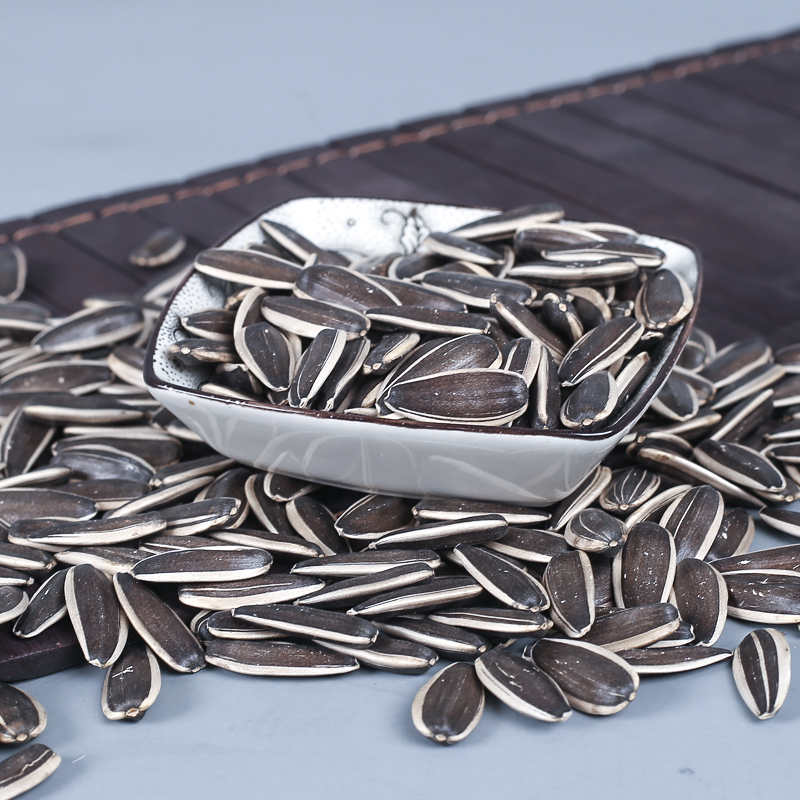
The composition of high-quality melon seeds is dictated by the genetics of the cultivar, growing conditions, and post-harvest handling. The primary components are lipids (35-55%), proteins (20-30%), carbohydrates (10-20%), and moisture (5-10%). Lipids are predominantly triglycerides, with the fatty acid profile varying based on the variety; desirable profiles exhibit high levels of unsaturated fatty acids, particularly linoleic and oleic acid. Proteins are composed of essential amino acids, contributing significantly to the seed’s nutritional value. Manufacturing begins with harvesting at optimal maturity – generally indicated by hull color and seed moisture content. Post-harvest processing includes cleaning (removal of debris), drying (to achieve a moisture content of 8-10% to inhibit microbial growth and enzymatic activity), dehulling (separation of the seed from the outer shell - mechanical abrasion or enzymatic methods are employed), and grading (based on size, shape, and visual quality). Parameter control is paramount during drying. Excessive heat can denature proteins and induce lipid oxidation, reducing oil quality. Precise temperature and airflow management within drying systems (typically using hot air or vacuum drying) is critical. Dehulling efficiency impacts yield and requires careful calibration of machinery to minimize seed damage. Seed coatings, occasionally applied for preservation or flavoring, must be chemically compatible with the seed’s natural components and meet food safety regulations.
Performance & Engineering
The performance of melon seeds, whether consumed directly or processed into oil, is governed by their physical and chemical properties. Force analysis is relevant to dehulling operations; the force required to fracture the hull is a critical parameter for machine design and process optimization. Environmental resistance primarily concerns moisture content and storage conditions. High moisture content promotes mold growth and rancidity. Proper storage requires low temperature (below 15°C) and humidity (below 65%) in airtight containers. Compliance requirements vary by region but generally adhere to food safety standards such as HACCP and GMP. For oil extraction, engineering considerations include extraction method (mechanical pressing vs. solvent extraction), oil refining processes (degumming, neutralization, bleaching, deodorization), and waste management (seed cake utilization). The efficiency of oil extraction is determined by factors such as seed pretreatment (crushing, flaking), solvent type (hexane is common), and temperature/pressure conditions during extraction. Oil yield and oil quality (acid value, peroxide value, color) are key performance metrics.
Technical Specifications
| Seed Variety | Oil Content (%) | Protein Content (%) | Moisture Content (%) |
|---|---|---|---|
| Giza 32 | 45-50 | 25-28 | 7-9 |
| Hegazi 1 | 42-47 | 23-26 | 6-8 |
| Wafaa | 40-45 | 26-29 | 8-10 |
| Balady | 38-43 | 27-30 | 9-11 |
| Hybrid Variety A | 48-53 | 24-27 | 5-7 |
| Hybrid Variety B | 46-51 | 25-28 | 6-8 |
Failure Mode & Maintenance
Failure modes in melon seed quality encompass several categories. Rancidity, caused by lipid oxidation, is a primary concern, leading to off-flavors and reduced nutritional value. This is accelerated by exposure to oxygen, light, and heat. Another failure mode is mycotoxin contamination, particularly by Aspergillus species, which can produce aflatoxins – potent carcinogens. Proper drying and storage are crucial preventative measures. Physical damage during processing (cracking, chipping) reduces seed quality and yield. Fatigue cracking can occur in hulls during dehulling if machinery is not properly calibrated. Delamination, the separation of the seed coat from the kernel, can impact oil extraction efficiency. Maintenance of processing equipment is vital. Regular cleaning and lubrication of dehulling machines, dryers, and grading equipment minimizes damage and ensures optimal performance. Implementing a robust quality control program – including regular testing for moisture content, oil quality, protein content, and mycotoxin levels – is essential for identifying and addressing potential failure modes proactively. Seed storage facilities should be inspected regularly for signs of pest infestation or moisture ingress.
Industry FAQ
Q: What is the acceptable limit for aflatoxin contamination in melon seeds destined for human consumption?
A: The acceptable limit for total aflatoxins in melon seeds varies by country. The US FDA sets a limit of 20 parts per billion (ppb). The European Union has a limit of 2 ppb for total aflatoxins. It’s imperative to adhere to the regulations of the importing country, and regular testing using methods like ELISA or HPLC is essential to ensure compliance.
Q: How does seed moisture content impact long-term storage stability?
A: High moisture content (above 10%) significantly reduces storage stability. It promotes microbial growth, leading to mold and mycotoxin development. Furthermore, it accelerates enzymatic activity, causing lipid oxidation and reducing oil quality. Maintaining a moisture content of 8-10% through proper drying and storage in airtight containers is critical for preventing these issues.
Q: What are the key differences between mechanical pressing and solvent extraction for oil production, and what are the implications for oil quality?
A: Mechanical pressing (expeller pressing) is a physical process that uses pressure to extract oil. It generally results in a lower oil yield but produces oil with a superior flavor profile and higher levels of natural antioxidants. Solvent extraction (typically using hexane) achieves higher oil yields but requires subsequent refining to remove residual solvent, potentially impacting oil quality and requiring careful quality control.
Q: What factors contribute to variations in oil content between different melon seed varieties?
A: Oil content is primarily determined by genetics, but environmental factors also play a significant role. Sunlight exposure during seed development, water availability, and soil nutrient levels all influence oil accumulation. Different varieties have inherent genetic predispositions for higher or lower oil content, and breeding programs are continuously focused on maximizing this trait.
Q: How can we effectively prevent insect infestation during seed storage?
A: Effective insect prevention involves a multi-pronged approach. This includes thorough cleaning of the storage facility, maintaining low temperature and humidity, using airtight containers, and potentially employing insecticidal treatments (approved for food storage) as a last resort. Regular inspection and monitoring for pest activity are crucial for early detection and intervention.
Conclusion
The quality of high quality types of melon seeds is a complex interplay of genetic factors, agricultural practices, and post-harvest processing techniques. Achieving optimal performance – whether for direct consumption or oil extraction – requires meticulous attention to detail at every stage of the supply chain, from cultivar selection and harvesting to drying, storage, and processing. Understanding the fundamental material science, potential failure modes, and relevant industry standards is paramount for ensuring a consistent, high-quality product.
Future advancements will likely focus on developing improved cultivars with enhanced oil content and desirable fatty acid profiles, optimizing drying and dehulling technologies to minimize damage and maximize efficiency, and implementing advanced monitoring systems to ensure food safety and prevent contamination. Investing in research and development in these areas will be crucial for meeting the growing global demand for high-quality melon seeds and their derived products.
