Introduction
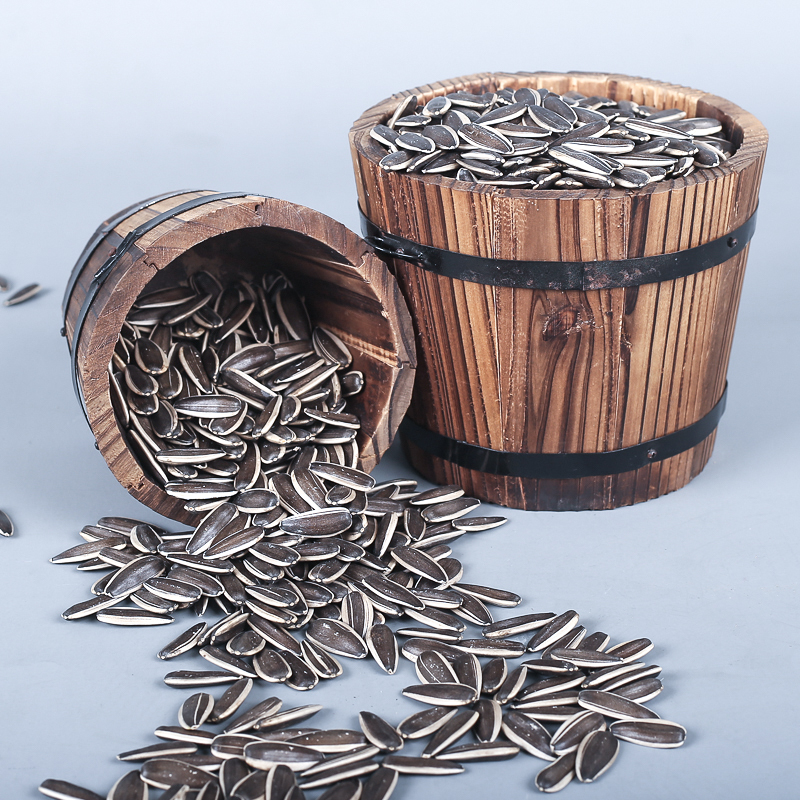
Sunflower seeds ( Helianthus annuus), specifically those categorized as high quality, represent a significant commodity within the global food and oilseed industries. Their position within the agricultural supply chain is fundamental, serving as a primary source of vegetable oil, a protein-rich food source for both human and animal consumption, and increasingly, as a feedstock for bio-based materials. The characteristics defining 'high quality' are not merely aesthetic; they relate directly to kernel fill, oil content, protein profile, absence of defects, and compliance with stringent food safety standards. This guide will detail the material science underpinning seed quality, the manufacturing processes influencing performance, critical technical specifications, potential failure modes during storage and processing, and relevant industry standards. A key pain point in the industry revolves around consistent quality control – ensuring that seeds meet the required specifications for oil yield, protein content, and freedom from contaminants (mycotoxins, heavy metals, and foreign materials). Addressing this consistently is vital for maintaining profitability and market access.
Material Science & Manufacturing
The foundation of high quality sunflower seeds lies in the inherent material properties of the kernel. The primary constituents are oil (42-58% depending on variety), protein (18-26%), carbohydrates (10-15%), and fiber (6-8%). The oil composition, predominantly linoleic acid (60-74%) and oleic acid (15-30%), dictates its stability and suitability for various applications. Protein quality is determined by the amino acid profile, notably the content of essential amino acids like methionine and tryptophan. The seed coat, or hull, composed of cellulose and lignin, provides physical protection.
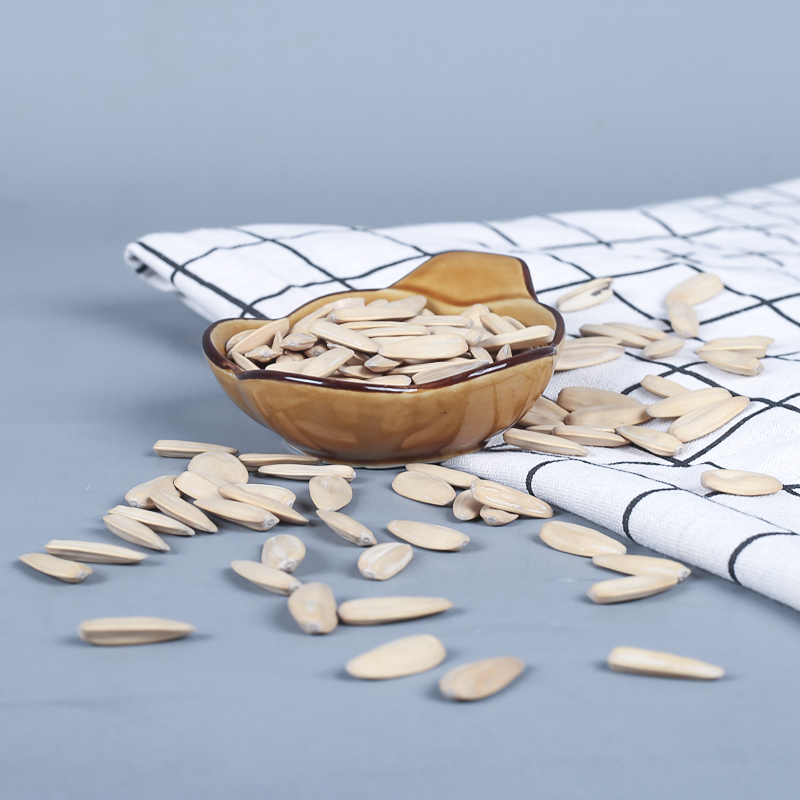
Manufacturing begins with hybrid seed selection focusing on traits like high yield, disease resistance, and oil content. Planting density, irrigation, and fertilization are critical parameters influencing seed development. Harvesting is typically performed when the seed moisture content reaches 18-20% to minimize shattering and maximize kernel fill. Post-harvest processing involves cleaning (removing debris, stems, leaves), drying (reducing moisture content to 8-10% for storage stability – a critical control point preventing fungal growth and mycotoxin production), dehulling (removing the seed coat to improve oil extraction efficiency and digestibility – mechanical dehulling utilizes impact and friction), sizing (separating seeds based on diameter to ensure uniformity), and finally, optical sorting (detecting and removing discolored, damaged, or foreign material seeds). Precise control of drying temperature is crucial; excessive heat can denature proteins and reduce oil quality. Dehulling efficiency impacts both oil yield and seed quality, with excessive breakage leading to increased free fatty acids.
Performance & Engineering
The performance of sunflower seeds is assessed through several key engineering properties. Tensile strength of the seed coat is a critical factor influencing its resistance to cracking during handling and processing. Kernel hardness, measured via compression testing, affects oil extraction efficiency. Moisture sorption isotherms characterize the relationship between seed moisture content and water activity, influencing storage stability and susceptibility to fungal growth. The angle of repose provides an indication of seed flowability, important for efficient handling in processing facilities.
Environmental resistance is paramount. High quality seeds must exhibit tolerance to temperature fluctuations during storage, maintain germination rates under varying humidity conditions, and resist infestation by storage pests. Seed treatments with fungicides and insecticides are often employed to mitigate these risks, but adherence to maximum residue limits (MRLs) established by regulatory bodies is essential. Compliance with food safety standards, such as HACCP (Hazard Analysis and Critical Control Points), is non-negotiable. Furthermore, the seeds’ ability to withstand the mechanical stress of processing (dehulling, crushing, oil extraction) without excessive breakage or fines generation is a vital performance characteristic. Engineering analyses focus on minimizing damage during handling and optimizing processing parameters for maximum oil yield and minimal waste.
Technical Specifications
| Parameter | Unit | Specification (High Quality) | Testing Method |
|---|---|---|---|
| Oil Content (Dry Basis) | % | ≥ 48% | AOAC Official Method 985.07 |
| Protein Content (Dry Basis) | % | ≥ 20% | Kjeldahl Method (AOAC Official Method 978.05) |
| Moisture Content | % | ≤ 9% | Oven Drying Method (AOAC Official Method 925.10) |
| Kernel Damage (Broken/Discolored) | % | ≤ 2% | Visual Inspection / Seed Analyzer |
| Foreign Material | % | ≤ 1% | Visual Inspection / Seed Analyzer |
| Acid Value | mg KOH/g | ≤ 1.0 | Titration Method (AOCS Cd 3-63) |
Failure Mode & Maintenance
Sunflower seeds are susceptible to several failure modes. Lipid oxidation, driven by unsaturated fatty acids, leads to rancidity and off-flavors during storage. This is exacerbated by exposure to oxygen, light, and elevated temperatures. Mycotoxin contamination (aflatoxins, ochratoxins) due to fungal growth ( Aspergillus, Penicillium) is a significant concern, particularly under humid conditions. Insect infestation (storage beetles, moths) causes direct damage and introduces contaminants. Physical damage (cracking, breakage) during handling and processing reduces oil yield and seed quality. Finally, germination rate decline due to aging and improper storage renders seeds unsuitable for planting.
Maintenance and prevention involve stringent storage protocols: maintaining low moisture content (≤8%), controlling temperature (≤15°C), ensuring adequate ventilation, and implementing integrated pest management strategies. Regular monitoring for mycotoxin levels is crucial. Protective packaging (sealed containers, nitrogen flushing) minimizes oxygen exposure. Proper handling procedures minimize physical damage. For seeds intended for planting, periodic germination testing is essential to assess viability. Antioxidant treatments can be applied to slow lipid oxidation, but careful consideration must be given to regulatory compliance.
Industry FAQ
Q: What is the primary factor impacting the shelf life of sunflower seeds?
A: Moisture content is the single most critical factor. Maintaining a moisture content of 9% or less is paramount to prevent fungal growth and mycotoxin production, which significantly shorten shelf life and compromise seed quality.
Q: How does the oil content affect the suitability of sunflower seeds for different applications?
A: Higher oil content generally indicates better suitability for oil extraction, while the specific fatty acid profile (oleic vs. linoleic) dictates the oil’s stability and intended use – high oleic oils are preferred for frying due to their resistance to oxidation.
Q: What are the implications of exceeding the specified limits for foreign material?
A: Exceeding limits for foreign material (e.g., stems, leaves, stones) impacts product purity, increases processing costs (cleaning), and poses potential safety hazards. It can lead to rejection of the shipment by the buyer.
Q: What testing methods are used to determine seed viability for planting purposes?
A: Germination tests are the standard method for assessing seed viability. These tests involve subjecting a sample of seeds to controlled conditions (temperature, moisture) and evaluating the percentage that successfully germinate.
Q: How do storage pests impact the overall quality of sunflower seeds?
A: Storage pests cause direct physical damage to the seeds, reducing their weight and nutritional value. They also introduce contaminants (insect fragments, droppings) and can facilitate fungal growth, leading to mycotoxin contamination.
Conclusion
High quality sunflower seeds are a complex agricultural product whose performance hinges on a confluence of material science principles, precise manufacturing processes, and stringent quality control measures. Optimizing oil content, protein profile, and minimizing defects requires careful attention to hybrid selection, harvesting techniques, drying protocols, and storage conditions. The inherent vulnerability to lipid oxidation, mycotoxin contamination, and pest infestation necessitates proactive preventative measures and regular monitoring.
Future advancements in sunflower seed technology will likely focus on developing varieties with enhanced disease resistance, improved oil quality (higher oleic acid content), and increased tolerance to environmental stresses. Furthermore, the implementation of advanced sorting technologies (hyperspectral imaging, machine learning) will enable more accurate and efficient quality assessment, ultimately ensuring a more consistent and reliable supply of high-quality sunflower seeds for global markets.
