Introduction
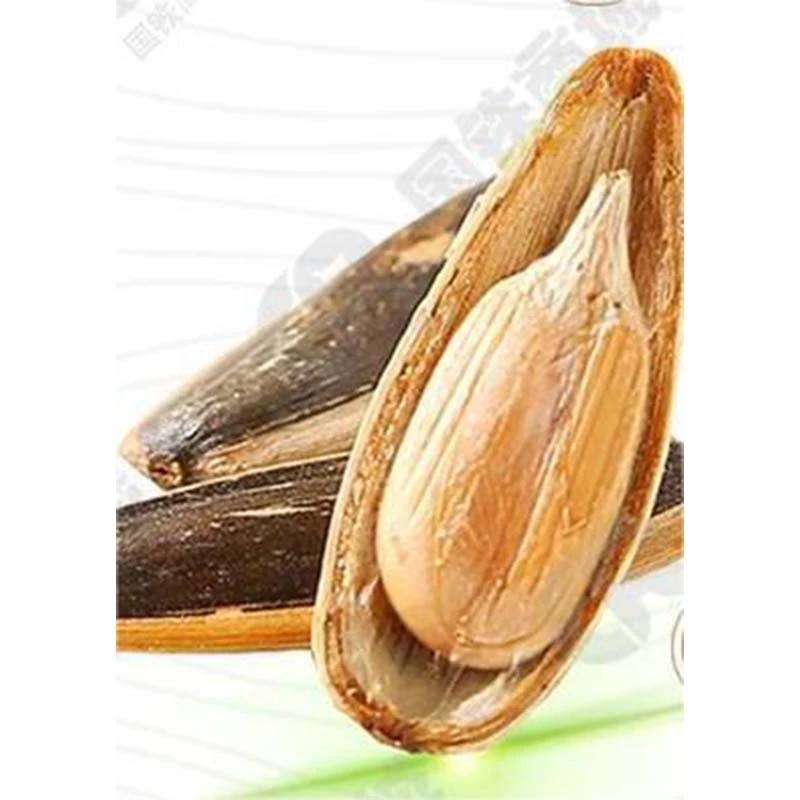
High quality toasted sunflower seeds represent a processed agricultural product gaining increasing prominence in the snack food industry. Positioned between raw agricultural commodity and consumer packaged good, their value stems from optimized processing techniques maximizing palatability, nutritional value, and shelf-life. Sunflower seeds ( Helianthus annuus ) are valued for their high oil content (40-50% by weight), protein (20-25%), and essential fatty acids. Toasting is a crucial thermal processing step designed to develop characteristic flavor profiles via Maillard reactions and Strecker degradation, reduce moisture content for improved textural attributes and microbial stability, and enhance the seeds' visual appeal. The quality of the final product is critically dependent on seed variety, pre-processing treatments (cleaning, dehulling), toasting parameters (temperature, time, airflow), and post-toasting handling and packaging. This guide provides an in-depth technical assessment of the manufacturing, performance characteristics, potential failure modes, and industry standards related to high quality toasted sunflower seeds.
Material Science & Manufacturing
The raw material, sunflower seeds, exhibit significant compositional variability depending on cultivar and growing conditions. Key components include the kernel (cotyledon), hull (pericarp), and embryo. The kernel comprises primarily triglycerides (oleic, linoleic acids), proteins (albumin, globulin), carbohydrates, and trace minerals. Hull composition is dominated by cellulose, hemicellulose, and lignin. Manufacturing begins with harvesting and initial cleaning to remove debris. Dehulling is a critical step, mechanically removing the hull to increase the edible kernel percentage and improve flavor perception. This is typically achieved using centrifugal dehullers, which rely on differential impact velocity to separate the hull from the kernel. Parameter control during dehulling—impact speed, air flow rate, and seed moisture content (typically 8-10%)— is essential to minimize kernel damage. Toasting is conventionally performed using continuous band toasters, fluid bed toasters, or rotary drum toasters. Band toasters offer precise temperature control and uniform heat distribution, but can be prone to scorching if residence time isn't optimized. Fluid bed toasters utilize hot air to suspend and toast the seeds, promoting even heating but requiring careful airflow management to prevent seed attrition. Rotary drum toasters offer simplicity but are less precise in temperature control. Key toasting parameters include inlet air temperature (typically 140-180°C), seed bed temperature (target 120-140°C), and residence time (5-20 minutes), which are adjusted to achieve desired moisture content (typically 2-3%) and color development (Lab values – target L 40-50, a 6-10, b 15-20). Post-toasting, seeds undergo seasoning (salt, flavors) and are packaged in moisture-barrier films to maintain freshness and prevent rancidity.
Performance & Engineering
The performance of toasted sunflower seeds is assessed through several key metrics. Moisture content directly impacts shelf-life and textural properties; exceeding 3% promotes microbial growth and softening. Water Activity (aw), a critical parameter indicating available water for microbial activity, should be maintained below 0.65. Oil stability, measured by the Rancimat method, assesses resistance to oxidative degradation. A high Rancimat induction time (>10 hours) indicates good oxidative stability. Kernel hardness, determined through compression testing, influences the perceived crunchiness. Force analysis during compression reveals peak force and deformation characteristics. Environmental resistance is a concern, particularly with regard to humidity and temperature fluctuations. Packaging materials must provide adequate moisture barrier properties to prevent rehydration and stickiness. The seeds' structural integrity is affected by thermal stresses during toasting; excessively rapid heating can induce cracking and reduce the percentage of whole kernels. Compliance requirements include adherence to food safety regulations (FDA, EFSA), allergen labeling, and maximum permissible levels of contaminants (aflatoxins, heavy metals). The presence of aflatoxins, carcinogenic mycotoxins produced by Aspergillus molds, is a major food safety concern, requiring stringent quality control measures during harvesting, storage, and processing. Engineering considerations center around optimizing toasting process parameters to minimize energy consumption, maximize throughput, and ensure consistent product quality.
Technical Specifications
| Parameter | Unit | Typical Range | Testing Method |
|---|---|---|---|
| Moisture Content | % | 2.0 – 3.0 | AOAC 925.10 |
| Water Activity (aw) | - | < 0.65 | Water Activity Meter (e.g., AquaLab) |
| Oil Content | % | 45 – 55 | Soxhlet Extraction (AOAC 920.39) |
| Kernel Hardness (Peak Force) | N | 5 – 15 | Texture Analyzer (Compression Test) |
| Rancimat Induction Time | hours | > 10 | Rancimat 679 |
| Aflatoxin B1 Level | ppb | < 20 | HPLC-FLD (AOAC 999.09) |
Failure Mode & Maintenance
Toasted sunflower seeds are susceptible to several failure modes. Rancidity, caused by lipid oxidation, is a primary concern, leading to off-flavors and reduced nutritional value. This is accelerated by exposure to oxygen, light, and heat. Kernel cracking during toasting or handling reduces the aesthetic appeal and can generate dust. Uneven toasting results in a mixture of under-toasted and over-toasted seeds, leading to inconsistent flavor and texture. Microbial spoilage, particularly mold growth, can occur if moisture content is too high or packaging integrity is compromised. Color degradation, due to prolonged storage or exposure to light, diminishes visual appeal. Maintenance of toasting equipment is critical. Regular cleaning of toasters removes accumulated seed debris and prevents charring, which can contribute to off-flavors. Calibration of temperature sensors ensures accurate process control. Inspection of conveyor belts and airflow systems identifies potential blockages or malfunctions. Proper lubrication of moving parts minimizes friction and wear. Preventative maintenance schedules, including periodic replacement of wear components, extend equipment lifespan and maintain consistent product quality. Packaging machinery requires regular inspection and cleaning to ensure proper sealing and prevent contamination. Storage of raw materials and finished products should be in cool, dry conditions to minimize oxidative degradation and microbial growth.
Industry FAQ
Q: What is the optimal moisture content for sunflower seeds prior to toasting, and why is it important?
A: The optimal moisture content prior to toasting is typically between 8-10%. Lower moisture content can lead to excessive cracking during toasting, while higher moisture content can result in a longer toasting time and a potentially gummy texture. Maintaining this range ensures efficient heat transfer and optimal development of flavor and texture.
Q: How do different toasting temperatures affect the formation of acrylamide in sunflower seeds?
A: Acrylamide is a potential byproduct of Maillard reactions during high-temperature toasting. Higher toasting temperatures and longer residence times generally lead to increased acrylamide formation. Careful control of toasting parameters, optimizing temperature and time, and potentially utilizing acrylamide reduction strategies (e.g., addition of asparaginase) are crucial to minimize its presence.
Q: What are the key considerations for selecting packaging materials to maximize shelf-life?
A: Packaging materials should provide excellent moisture barrier properties (low Water Vapor Transmission Rate – WVTR) and oxygen barrier properties (low Oxygen Transmission Rate – OTR) to prevent rancidity and maintain crispness. Materials like metallized PET/PE laminates or high-barrier polypropylene films are commonly used. Light protection is also important, as exposure to light can accelerate oxidative degradation.
Q: What quality control tests are essential for ensuring compliance with aflatoxin regulations?
A: Regular testing for aflatoxin B1 using a sensitive method such as HPLC-FLD (High-Performance Liquid Chromatography with Fluorescence Detection) is essential. Samples should be representative of each production lot. Record keeping of testing results is crucial for traceability and demonstrating compliance with regulatory limits (e.g., <20 ppb in many jurisdictions).
Q: What are the primary causes of sunflower seed kernel breakage during the dehulling process, and how can they be minimized?
A: Kernel breakage during dehulling is primarily caused by excessive impact force, improper dehuller settings (e.g., incorrect rotor speed or air flow), and seed moisture content outside the optimal range. Minimizing breakage requires careful calibration of the dehuller, maintaining consistent seed moisture content (8-10%), and optimizing air flow to gently separate hulls from kernels.
Conclusion
The production of high quality toasted sunflower seeds is a complex process requiring precise control over multiple variables, from raw material selection and pre-processing to toasting parameters and packaging. Achieving optimal flavor, texture, and shelf-life necessitates a thorough understanding of the underlying material science, engineering principles, and relevant industry standards. Consistent quality control, including monitoring moisture content, oil stability, and aflatoxin levels, is paramount to ensure product safety and consumer satisfaction.
Future developments in sunflower seed processing are likely to focus on optimizing toasting technologies to minimize energy consumption and acrylamide formation, exploring novel packaging materials with enhanced barrier properties, and implementing advanced quality control systems based on real-time monitoring of critical parameters. Continued research into seed genetics and agronomic practices will also contribute to the production of sunflower seeds with improved processing characteristics and nutritional profiles, further enhancing the quality and value of this popular snack food.
