Introduction
High quality melon seeds ( Cucurbita pepo var. styriaca) represent a significant segment within the agricultural and food processing industries. Positioned between raw agricultural production and consumer packaged goods, these seeds are valued for their nutritional profile, consisting of proteins, fats, minerals, and vitamins, and increasingly utilized in snack foods, culinary applications, and as a source of oil. This technical guide details the scientific principles governing seed quality, processing methodologies, performance characteristics, potential failure modes, and relevant industry standards. Core industry pain points include ensuring consistent seed maturity, minimizing aflatoxin contamination, maintaining optimal oil stability, and adhering to stringent food safety regulations across international markets. The demand for consistent quality and traceability necessitates a comprehensive understanding of the entire seed lifecycle.
Material Science & Manufacturing
The primary raw material, the melon seed, comprises an embryo, endosperm, and seed coat. The seed coat, composed primarily of cellulose and lignin, provides physical protection. The endosperm is rich in lipids (typically 40-60% by weight, primarily linoleic and oleic acids), proteins (25-35%), and carbohydrates. Seed quality is significantly impacted by the genetic variety (determining oil content and fatty acid profile), growing conditions (temperature, rainfall, soil composition), and harvesting practices. Post-harvest processing involves drying to a moisture content of approximately 8-10% to inhibit microbial growth and enzymatic activity. Cleaning removes debris, damaged seeds, and foreign materials. Dehulling, a critical step, separates the seed kernel from the shell. This can be achieved mechanically (impact or abrasion) or through enzymatic methods. Parameters like impact force, abrasive surface roughness, and enzyme concentration are carefully controlled to minimize kernel damage. Further processing may include roasting (temperature and duration impact flavor and texture), seasoning, and packaging. Roasting initiates Maillard reactions, contributing to characteristic flavors, but can also lead to lipid oxidation if not controlled. Parameter control during roasting – temperature gradients, humidity, airflow – are vital for optimal flavor development and prevention of rancidity.
Performance & Engineering
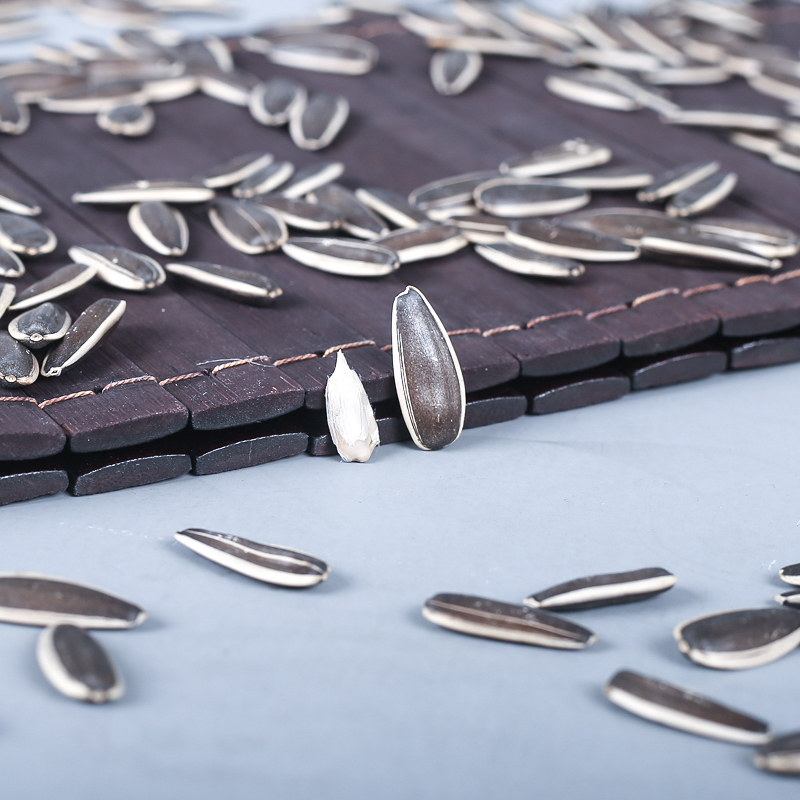
The engineering performance of melon seeds is assessed through several key metrics. Tensile strength, measuring the force required to fracture the seed kernel, is relevant to processing (dehulling, cracking) and packaging. Seed hardness, measured using durometry, impacts processing efficiency and consumer acceptance. Moisture content, critical for storage stability, is typically controlled below 8% to prevent microbial growth and lipid oxidation. Oil stability, evaluated through rancidity tests (Peroxide Value, Anisidine Value), determines shelf life. Environmental resistance concerns primarily center around moisture absorption and temperature fluctuations. Packaging materials must provide a sufficient barrier to moisture and oxygen to maintain product quality. Food safety compliance, particularly regarding aflatoxin levels, is paramount. Aflatoxins, produced by Aspergillus fungi, are potent carcinogens. Rigorous quality control measures, including pre-harvest monitoring, proper drying, and storage practices, are essential to minimize aflatoxin contamination. Packaging materials must also comply with food contact regulations (e.g., FDA, EFSA).
Technical Specifications
| Parameter | Unit | Specification (Grade A) | Specification (Grade B) |
|---|---|---|---|
| Moisture Content | % | ≤ 8.0 | ≤ 9.0 |
| Oil Content | % | ≥ 45.0 | ≥ 40.0 |
| Protein Content | % | ≥ 28.0 | ≥ 25.0 |
| Kernel Hardness (Durometer) | Shore D | 60-70 | 50-60 |
| Aflatoxin Level (B1) | ppb | ≤ 2.0 | ≤ 4.0 |
| Peroxide Value | meq O2/kg | ≤ 5.0 | ≤ 7.0 |
Failure Mode & Maintenance
Common failure modes include lipid oxidation leading to rancidity (identified by off-flavors and increased Peroxide Value), kernel cracking during processing or handling (due to excessive mechanical stress or moisture content fluctuations), and microbial contamination (primarily Aspergillus species resulting in aflatoxin production). Degradation of the seed coat can occur due to prolonged exposure to UV light or high temperatures, reducing the protective barrier. Maintenance focuses on preventative measures: proper drying and storage (low temperature, low humidity, airtight containers), regular monitoring for aflatoxin levels, and adherence to Good Manufacturing Practices (GMP). For packaged product, proper packaging integrity is crucial. Damaged packaging can lead to moisture absorption and accelerated spoilage. Control of storage temperature during transit is also vital. If rancidity is detected, the batch must be discarded. Contaminated batches require specialized disposal protocols according to local regulations. Preventative maintenance of processing equipment (dehullers, roasters, packaging machines) is critical to minimize kernel damage and maintain hygienic conditions.
Industry FAQ
Q: What is the significance of the fatty acid profile in melon seeds, and how does it affect their shelf life?
A: The fatty acid profile, predominantly linoleic acid, is crucial for nutritional value and flavor. However, polyunsaturated fatty acids like linoleic acid are susceptible to oxidation, leading to rancidity. A higher proportion of linoleic acid correlates with a shorter shelf life. Antioxidant packaging and controlled storage conditions are essential to mitigate oxidation.
Q: How does the dehulling process impact the final product quality and yield?
A: The dehulling process significantly impacts both quality and yield. Aggressive dehulling can damage the kernel, reducing its aesthetic appeal and nutritional value. Insufficient dehulling leaves residual shell fragments, impacting texture. Optimizing impact force or enzyme concentration and maintaining precise control of these parameters is vital for maximizing yield while preserving kernel integrity.
Q: What are the critical control points for preventing aflatoxin contamination throughout the supply chain?
A: Critical control points include pre-harvest monitoring for fungal infection, prompt and thorough drying after harvest to reduce moisture content, proper storage in well-ventilated, dry facilities, and rigorous quality control testing for aflatoxin levels at each stage of processing. Seed source traceability is also crucial for identifying and isolating potential contamination sources.
Q: What packaging materials are recommended for maintaining the quality and extending the shelf life of melon seeds?
A: Multi-layer packaging materials with high barrier properties against oxygen and moisture are recommended. Aluminum foil laminates or metallized films combined with polyethylene or polypropylene offer excellent protection. Vacuum packaging or modified atmosphere packaging (MAP) with nitrogen flushing can further extend shelf life by minimizing oxidation.
Q: How do different roasting profiles affect the flavor and antioxidant properties of melon seeds?
A: Lower temperature, longer duration roasting profiles generally preserve more antioxidants but result in milder flavors. Higher temperature, shorter duration roasting leads to more pronounced Maillard reaction products and bolder flavors but can reduce antioxidant content. Precise control of temperature and time is critical to achieving the desired flavor profile while minimizing antioxidant degradation.
Conclusion
High quality melon seed production necessitates a holistic understanding of the interplay between agricultural practices, material science, and engineering principles. Maintaining consistent quality hinges upon meticulous control of key parameters throughout the entire lifecycle – from seed variety selection and growing conditions to harvesting, processing, packaging, and storage. The industry must prioritize minimizing aflatoxin contamination, optimizing oil stability, and adhering to stringent food safety regulations to ensure product safety and consumer confidence.
Future developments will likely focus on genetic improvement for enhanced oil content and aflatoxin resistance, optimization of dehulling and roasting processes for improved efficiency and quality, and the development of sustainable packaging materials with enhanced barrier properties. Further research into the bioactive compounds present in melon seeds and their potential health benefits may also drive innovation and expand market applications.
