Introduction
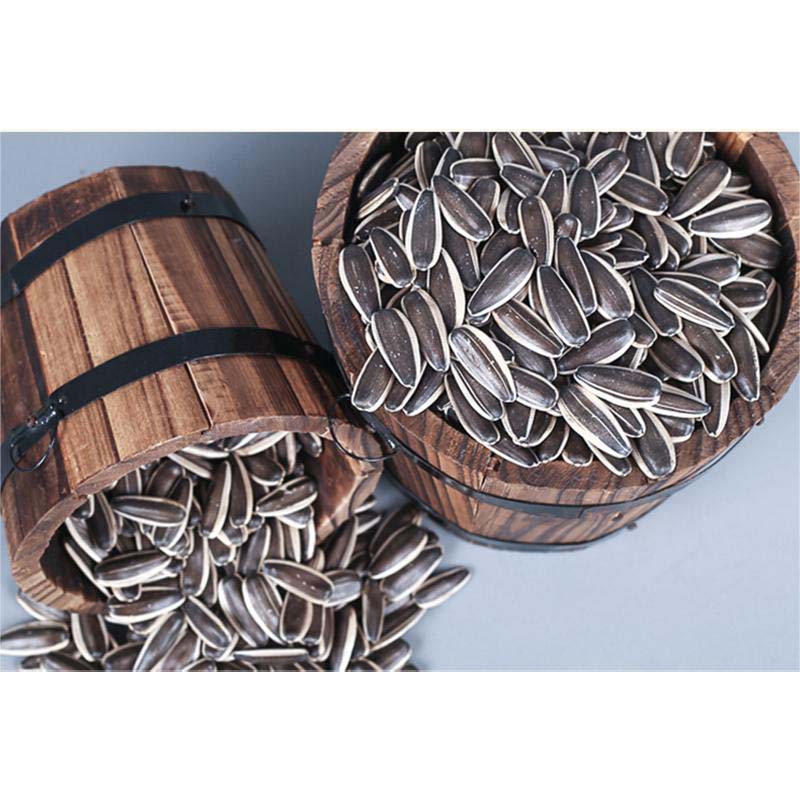
High quality tasty sunflower seeds ( Helianthus annuus ) represent a significant sector within the edible oilseed and snack food industries. Positioned between agricultural production and consumer packaged goods, sunflower seeds undergo rigorous processing to maximize palatability, nutritional value, and shelf stability. Their technical position within the supply chain encompasses breeding for optimized oil content and kernel size, harvesting techniques to minimize damage, post-harvest drying and cleaning, and finally, processing into in-shell or kernel forms, often with flavoring applications. Core performance characteristics revolve around oil yield (typically 40-50% by weight), protein content (around 20-25%), and a desirable fatty acid profile rich in linoleic acid. The industry faces challenges related to maintaining seed viability during storage, controlling aflatoxin contamination, and meeting increasing consumer demand for healthier snack options. This guide provides a detailed examination of the material science, manufacturing processes, performance attributes, failure modes, and relevant standards associated with high quality tasty sunflower seeds.
Material Science & Manufacturing
Sunflower seed composition is dictated by genetic factors and environmental conditions during growth. The kernel primarily comprises carbohydrates (15-20%), proteins (20-25%), lipids (40-50%), and fiber (5-10%). The shell (hull) consists largely of cellulose and lignin, providing physical protection. The oil is predominantly composed of triglycerides, with linoleic acid (C18:2) being the predominant fatty acid, followed by oleic acid (C18:1). Manufacturing begins with harvesting, ideally at physiological maturity indicated by a dark seed coat and dry stem. Mechanical harvesting typically employs combine harvesters equipped with specialized heads to minimize seed damage. Post-harvest processing includes cleaning to remove debris (stalks, leaves, dirt), drying to reduce moisture content to approximately 8-10% (critical for preventing fungal growth and rancidity – typically achieved using forced air dryers controlled by temperature and humidity sensors), and dehulling (for kernel production) which utilizes impact and friction mechanisms. Kernel sizing and grading are conducted based on size and visual quality. Flavoring, often involving dry blending with salt, spices, or coatings, is a final step. Critical parameters during drying include air temperature (maintained below 60°C to avoid protein denaturation and oil oxidation) and airflow rate. Dehulling efficiency is influenced by impact velocity and clearance settings between the rotating parts and stationary surfaces. Monitoring for aflatoxin levels throughout processing is paramount, typically employing HPLC-based methodologies.
Performance & Engineering
The structural integrity of sunflower seeds and kernels is fundamental to their performance during processing and transportation. Force analysis reveals that the shell exhibits high compressive strength, protecting the kernel from damage. Kernel fracture strength is a key indicator of quality; lower strength indicates potential damage during dehulling or handling. Environmental resistance is a critical consideration. Exposure to high humidity can lead to mold growth and aflatoxin production, while exposure to oxygen can induce lipid oxidation, resulting in rancidity. Packaging materials must therefore provide a barrier against moisture and oxygen. Compliance requirements are extensive, encompassing food safety regulations (e.g., FDA in the US, EFSA in Europe) and labeling standards. The oil’s oxidative stability is often enhanced through the addition of antioxidants such as tocopherols (vitamin E). Functional implementation focuses on optimizing the roasting process (for roasted seeds) – a delicate balance between achieving desired flavor development and minimizing oil oxidation. Roasting parameters (temperature, time, airflow) are carefully controlled to maximize flavor while preserving nutritional value. Additionally, mechanical sorting systems employing optical sensors are used to remove discolored or damaged seeds, ensuring a consistent product appearance.
Technical Specifications
| Parameter | Unit | Typical Value (In-Shell) | Typical Value (Kernel) |
|---|---|---|---|
| Moisture Content | % (weight) | 8-12 | 8-10 |
| Oil Content | % (weight) | 40-50 | 50-60 |
| Protein Content | % (weight) | 18-25 | 20-28 |
| Kernel Size (Diameter) | mm | N/A | 8-12 |
| Shell Thickness | mm | 1.0-2.0 | N/A |
| Aflatoxin Level (B1) | ppb | < 20 | < 20 |
Failure Mode & Maintenance
Sunflower seeds are susceptible to several failure modes. Fatigue cracking of the shell can occur during handling and transportation, leading to kernel damage. Delamination within the kernel, often caused by improper drying or impact, reduces the oil yield. Degradation of the oil, primarily through oxidation, results in rancidity and off-flavors. This is exacerbated by exposure to light, oxygen, and elevated temperatures. Aflatoxin contamination is a significant concern, stemming from fungal growth ( Aspergillus flavus and Aspergillus parasiticus ) during pre-harvest or post-harvest storage, especially under high humidity. Preventive maintenance involves strict temperature and humidity control during storage, regular inspection for shell damage, and proper sanitation of processing equipment. Implementing a robust HACCP (Hazard Analysis and Critical Control Points) plan is crucial for mitigating aflatoxin risk. For stored seeds, aeration systems can help maintain uniform moisture content and prevent localized heating. Regular monitoring of oil quality (peroxide value, acid value) provides an early indication of oxidative degradation. Packaging should utilize materials with low oxygen permeability and moisture vapor transmission rates to extend shelf life. Damage to roasting equipment can create hotspots, accelerating oil oxidation and leading to undesirable flavors; regular calibration and maintenance of roasting equipment are therefore essential.
Industry FAQ
Q: What are the primary factors affecting sunflower oil stability during storage?
A: Sunflower oil stability is primarily affected by its fatty acid composition, the presence of antioxidants (like tocopherols), exposure to oxygen, light, and temperature. High linoleic acid content renders the oil more susceptible to oxidation. Proper packaging to minimize oxygen exposure and storage at cool temperatures are critical for extending shelf life.
Q: How is aflatoxin contamination effectively controlled in sunflower seeds?
A: Effective control involves a multi-faceted approach. This includes selecting aflatoxin-resistant sunflower varieties, optimizing pre-harvest agricultural practices (minimizing insect damage), implementing proper drying techniques to reduce moisture content, rigorous cleaning and sorting, and regular testing for aflatoxin levels using methods like HPLC. Proper storage conditions are also essential.
Q: What is the ideal moisture content for long-term sunflower seed storage?
A: The ideal moisture content for long-term storage is generally considered to be between 8% and 10%. Maintaining this level minimizes the risk of mold growth, insect infestation, and aflatoxin contamination.
Q: What type of packaging material is best suited for maintaining sunflower seed quality?
A: Packaging materials with low oxygen permeability and moisture vapor transmission rates are ideal. Multi-layer films incorporating aluminum foil or metallized layers are commonly used. Vacuum packaging or modified atmosphere packaging (MAP) can further extend shelf life.
Q: How does kernel size affect processing efficiency and product yield?
A: Kernel size influences dehulling efficiency. Uniform kernel size distribution facilitates smoother processing and reduces kernel breakage. Larger kernels generally yield more oil but may be more susceptible to cracking during processing. Grading by size is therefore a common practice.
Conclusion
The production of high quality tasty sunflower seeds requires a holistic understanding of material science, meticulous control of manufacturing processes, and adherence to stringent quality standards. From genetic selection for optimized oil content to post-harvest drying and packaging, each stage plays a vital role in ensuring a safe, palatable, and nutritious product. Addressing the inherent vulnerabilities related to oil oxidation, aflatoxin contamination, and physical damage necessitates a proactive and preventative approach.
Future innovations in sunflower seed technology will likely focus on developing aflatoxin-resistant varieties through genetic engineering, improving processing techniques to minimize kernel damage, and creating novel packaging materials with enhanced barrier properties. Continued advancements in analytical methods for rapid aflatoxin detection and oil quality assessment will also be crucial for maintaining product integrity and meeting evolving consumer demands for healthier snack options.
