Introduction
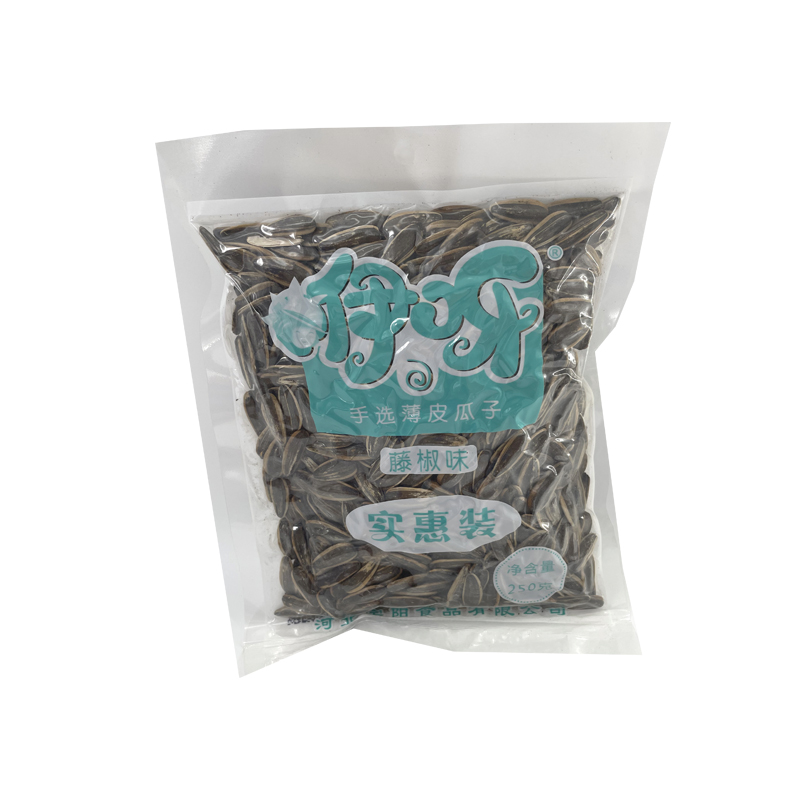
High quality tangerine peel flavor sunflower seeds represent a significant segment within the processed snack food industry, combining the nutritional value of sunflower seeds with the consumer-appealing flavor profile of tangerine peel. These seeds are not simply a flavored snack; they represent an engineered food product requiring precise control over seed selection, processing parameters, flavoring application, and packaging to maintain quality, safety, and consumer preference. The industry chain begins with sunflower seed cultivation, transitions through cleaning, dehulling, roasting, flavoring, and culminates in packaging and distribution. Core performance characteristics center around flavor intensity and consistency, seed integrity (minimizing broken or damaged seeds), moisture content for optimal shelf-life, and adherence to food safety regulations. Consumer demand is driven by a desire for healthy, convenient, and flavorful snack options, positioning these seeds within a competitive landscape alongside other nut and seed-based products.
Material Science & Manufacturing
The primary raw material, sunflower seeds ( Helianthus annuus ), are composed of approximately 35-50% oil, 20-30% protein, and 15-25% carbohydrate. The kernel’s composition directly impacts flavor absorption and textural properties. Seed coat thickness and permeability influence the effectiveness of flavoring adhesion. Tangerine peel, typically from Citrus reticulata, contributes volatile organic compounds (VOCs) responsible for the characteristic aroma and flavor. These VOCs, primarily limonene, linalool, and various aldehydes, require careful encapsulation to prevent loss during processing and storage. Manufacturing begins with seed selection based on kernel size, oil content, and freedom from defects. Cleaning removes debris, followed by dehulling. Roasting, typically between 120-180°C, develops flavor and reduces moisture content. This stage is critical; over-roasting leads to rancidity, while under-roasting results in insufficient flavor development. The tangerine peel flavor is applied as a dry blend or in liquid form, often containing carrier materials like maltodextrin or gum arabic to ensure uniform distribution. Parameter control focuses on roasting temperature and duration, flavor application rate, and drying to achieve a moisture content of approximately 3-5% to inhibit microbial growth and maintain textural integrity. Quality control relies heavily on sensory evaluation, moisture analysis, and oil stability testing.
Performance & Engineering
Performance characteristics are heavily influenced by the physical forces experienced during processing and distribution. Seed impact during roasting and handling generates fines (broken seed fragments). Minimizing impact forces through optimized equipment design and controlled conveying systems is crucial. Environmental resistance focuses primarily on moisture barrier properties of the packaging material to prevent moisture uptake, which can lead to rancidity and loss of crispness. The packaging film must also provide a barrier to oxygen, which contributes to lipid oxidation. Compliance requirements involve adherence to food safety standards such as those defined by the FDA (USA), EFSA (Europe), and equivalent regulatory bodies. Flavor stability is a significant engineering challenge. VOCs responsible for the tangerine aroma are susceptible to evaporation, particularly at elevated temperatures and low humidity. Encapsulation techniques and the inclusion of aroma fixatives are employed to mitigate this. Force analysis of the seed coating during handling is important to assess coating durability and minimize flavor loss. The mechanical strength of the seeds themselves, measured via compression testing, dictates the percentage of whole versus broken seeds after processing.
Technical Specifications
| Parameter | Specification | Test Method | Acceptance Criteria |
|---|---|---|---|
| Moisture Content | 3.0 - 5.0% | AOAC Official Method 925.10 | Within specified range |
| Oil Content | 45 - 55% | Soxhlet Extraction (AOAC 920.39) | Within specified range |
| Broken Seeds | ≤ 5% by weight | Visual Inspection & Weighing | ≤ 5% broken seeds |
| Flavor Intensity (Tangerine) | 50 – 80 APHA | Spectrophotometric Analysis | Within specified range |
| Peroxide Value (Oil Rancidity) | ≤ 5 meq O2/kg | AOCS Cd 8-53 | ≤ 5 meq O2/kg |
| Water Activity (Aw) | ≤ 0.65 | Water Activity Meter | ≤ 0.65 |
Failure Mode & Maintenance
Failure modes in tangerine peel flavored sunflower seeds are diverse. Rancidity is a common issue, resulting from lipid oxidation and manifesting as an off-flavor. This is accelerated by exposure to oxygen, light, and heat. Flavor Loss occurs through volatilization of key aroma compounds, particularly during storage and exposure to air. Seed Coating Degradation – cracking or flaking of the flavoring layer – can lead to uneven flavor distribution and reduced shelf appeal. Moisture Absorption increases the risk of microbial growth and textural changes (loss of crispness). Mechanical Damage – breakage of seeds during handling – reduces product quality and yield. Maintenance strategies include storage in a cool, dry, and dark environment; employing oxygen-impermeable packaging materials; incorporating antioxidants into the formulation; regular monitoring of peroxide value and moisture content; and implementing gentle handling procedures during processing and distribution. Proper stock rotation (FIFO – First In, First Out) is critical. Preventative maintenance on processing equipment (roasters, coaters, packaging machines) minimizes mechanical damage to the seeds.
Industry FAQ
Q: What is the impact of sunflower seed variety on flavor retention?
A: Sunflower seed variety significantly influences oil composition and seed coat characteristics. High-oleic varieties are preferred due to increased oxidative stability, reducing the rate of rancidity. Seed coat thickness affects flavor adhesion; denser coats may require increased flavoring application rates or pre-treatment to enhance absorption.
Q: How do different encapsulation methods affect tangerine oil stability?
A: Encapsulation using materials like maltodextrin, gum arabic, or modified starches provides a physical barrier against oxygen and moisture, protecting volatile aroma compounds. Spray drying and fluid bed coating are common methods. The choice of encapsulation material influences release rate and long-term stability. Higher molecular weight polymers generally offer better protection but may impact flavor release.
Q: What are the key considerations for packaging material selection?
A: Packaging must provide a high barrier to oxygen, moisture, and light. Materials like metallized polypropylene (MPP) or polyethylene terephthalate (PET) with an aluminum foil layer are commonly used. Permeability testing is crucial to ensure the packaging maintains product quality throughout its shelf life. Package integrity (seal strength) is also vital.
Q: How is the consistency of tangerine peel flavor ensured between production batches?
A: Maintaining flavor consistency requires strict control over raw material sourcing, flavoring formulation, and process parameters. Regular sensory evaluation by a trained panel is essential. Gas chromatography-mass spectrometry (GC-MS) can be used to quantitatively analyze VOC profiles and ensure consistent flavor composition.
Q: What role does roasting temperature play in the development of off-flavors?
A: Excessive roasting temperatures lead to Maillard reactions and lipid degradation, generating undesirable off-flavors such as burnt or cardboard-like notes. Careful temperature control and monitoring during roasting are critical. Roasting profiles should be optimized to balance flavor development with minimizing off-flavor formation.
Conclusion
The production of high quality tangerine peel flavor sunflower seeds is a complex process requiring careful attention to material science, manufacturing parameters, and quality control. Achieving optimal flavor intensity, stability, and shelf-life necessitates a holistic approach encompassing seed selection, roasting optimization, encapsulation technology, and appropriate packaging. Maintaining consistent product quality demands stringent adherence to established specifications and the implementation of robust analytical testing procedures.
Future advancements in this field may focus on utilizing novel encapsulation techniques (e.g., nano-encapsulation) to further enhance flavor retention and controlled release. The development of more sustainable packaging materials and the optimization of processing parameters to reduce energy consumption are also key areas for improvement. Continuous monitoring of consumer preferences and regulatory requirements will drive innovation and ensure the long-term viability of this product category.
