Introduction
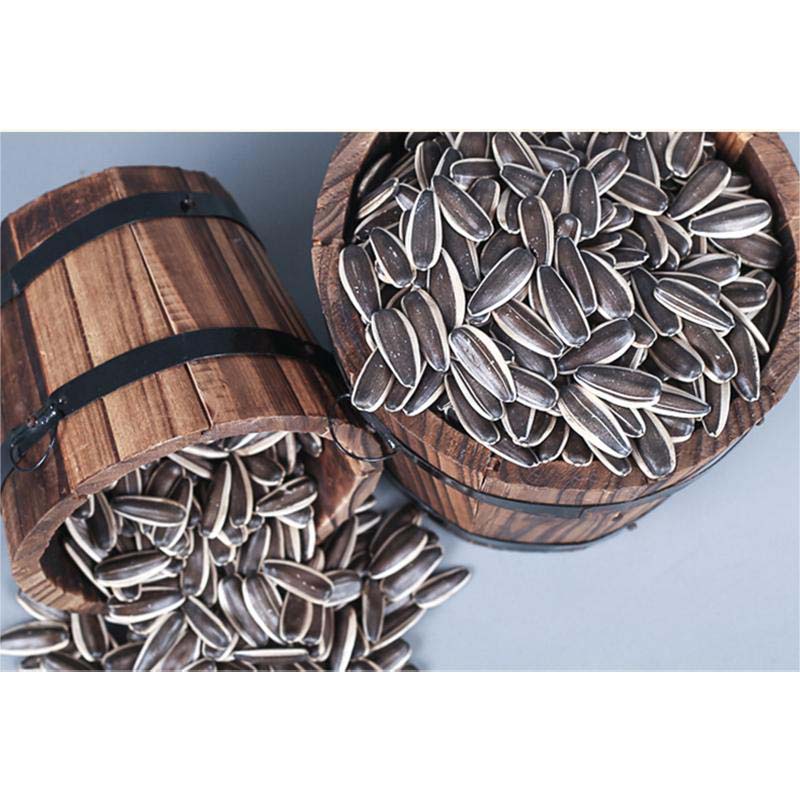
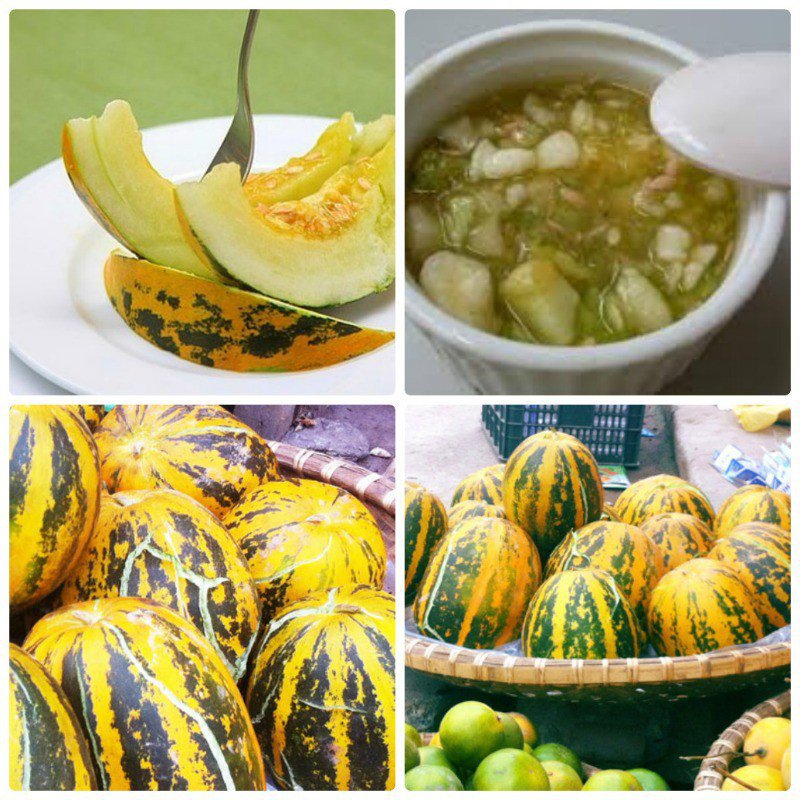
High quality sweet melon seed represents a critical input within the agricultural supply chain, specifically targeting the horticultural sector for fruit production. Unlike commodity seed sources, these seeds are selected and processed to maximize germination rates, seedling vigor, and ultimately, fruit yield and quality. Technically, these seeds are classified based on varietal purity, moisture content, and freedom from seed-borne diseases. Their position in the value chain is upstream, impacting downstream processes like seedling nursery operations, transplanting, and integrated pest management. Core performance characteristics include germination percentage, seedling establishment success, disease resistance, and the genetic potential for producing marketable sweet melon fruits exhibiting desired traits such as sugar content, flesh color, and rind characteristics. The primary industry pain point centers around inconsistent seed quality leading to reduced yields, increased replanting costs, and potential economic losses for growers. Ensuring genetic stability and minimizing fungal/bacterial contamination are paramount concerns.
Material Science & Manufacturing
The raw material, the sweet melon fruit, contains seeds enveloped in a pericarp. Seed composition is approximately 50-60% embryo, 20-30% endosperm (nutrient reserve), and 10-20% seed coat. The seed coat is primarily composed of cellulose, hemicellulose, and lignin, providing physical protection. Embryo development requires precise water activity, temperature control, and oxygen availability. Manufacturing begins with harvesting mature fruit and extracting the seeds. Seed cleaning involves mechanical separation to remove pulp and debris, followed by air separation to distinguish seeds based on size and density. Crucially, drying is performed to reduce moisture content to 7-10%, inhibiting metabolic activity and extending storage life. This is commonly achieved using forced-air drying or fluidized-bed drying. Seed coating, often with fungicide and insecticide formulations, is applied to protect against soilborne pathogens and pests. Parameter control during drying is paramount; excessive temperatures degrade protein and oil content within the seed, reducing viability. Seed coating thickness must be uniform to ensure consistent active ingredient delivery. Varietal purity is maintained through controlled pollination and rigorous quality control measures throughout the process.
Performance & Engineering
Performance evaluation centers on germination rate and seedling vigor. Germination is a complex process involving imbibition (water uptake), activation of metabolic enzymes, and radicle emergence. Force analysis during germination focuses on the force required for the radicle to penetrate the seed coat – excessive force indicates seed coat toughness, potentially hindering emergence. Environmental resistance is critical; seed tolerance to temperature stress (both high and low) and osmotic stress (salinity) are key performance indicators. Compliance requirements include adherence to phytosanitary regulations to prevent the spread of invasive species and plant pathogens. Seed treatment with systemic fungicides and insecticides is often necessary to meet these standards. Furthermore, seed lot uniformity is essential for synchronized seedling development, optimizing transplanting efficiency. The engineering aspect focuses on seed coating technology – ensuring consistent coating application, appropriate active ingredient release rates, and minimal impact on seed respiration. Storage conditions are also engineered – low temperature (4-10°C) and low humidity are essential to maintain seed viability over extended periods.
Technical Specifications
| Parameter | Unit | Specification | Test Method |
|---|---|---|---|
| Germination Rate | % | ≥ 90 | ISTA Procedure |
| Moisture Content | % | 7-10 | Oven Drying Method |
| Purity | % | ≥ 98 | Visual Inspection & Seed Counting |
| Seed Size (Length) | mm | 8-12 | Vernier Caliper |
| Seed Weight (1000 seeds) | g | 200-250 | Analytical Balance |
| Disease Incidence (Fusarium, Alternaria) | % | ≤ 1 | Agar Plate Method |
Failure Mode & Maintenance
Failure modes in high quality sweet melon seed include non-germination due to seed dormancy, mechanical damage during handling, fungal or bacterial contamination, and loss of viability during storage. Seed dormancy can be overcome through stratification (cold treatment) or scarification (seed coat abrasion). Mechanical damage, such as cracking or chipping, reduces water uptake and inhibits germination. Fungal pathogens (e.g., Fusarium, Alternaria) cause seed decay and seedling damping-off. Loss of viability occurs due to prolonged storage at elevated temperatures and humidity, leading to lipid peroxidation and enzyme inactivation. Maintenance involves proper storage conditions – maintaining low temperature (4-10°C) and humidity (<60%) in airtight containers. Periodic viability testing (germination tests) is crucial to monitor seed quality. Seed treatment with appropriate fungicides and insecticides provides preventative protection against pathogens and pests. Failure analysis should focus on identifying the root cause of germination failures – whether it's seed dormancy, mechanical damage, disease, or simply a lack of viability due to improper storage. Regular seed lot testing and quality control measures are essential for mitigating these risks.
Industry FAQ
Q: What is the significance of seed lot uniformity in terms of seedling establishment?
A: Seed lot uniformity, specifically consistent seed size and weight, is directly correlated with synchronized germination and seedling emergence. Non-uniform lots result in staggered emergence, creating competition among seedlings for resources (light, nutrients, water), ultimately leading to reduced overall plant establishment and potentially requiring replanting, increasing labor costs and delaying harvest.
Q: How does seed coating contribute to disease resistance, and what are the potential drawbacks?
A: Seed coating with systemic fungicides protects seedlings against soilborne pathogens during the vulnerable emergence phase. It provides a localized dose of fungicide directly to the developing root system. However, overuse can contribute to fungicide resistance in pathogen populations. Furthermore, improper coating application can reduce germination rates or negatively impact seedling vigor.
Q: What storage conditions are critical for maintaining long-term seed viability?
A: Maintaining low temperature (4-10°C) and low humidity (<60%) are paramount. These conditions minimize metabolic activity and slow down the degradation of seed components. Seeds should be stored in airtight containers to prevent moisture absorption. Periodic monitoring of seed moisture content is recommended.
Q: What are the key indicators used to assess seed quality before purchase?
A: Key indicators include germination rate (should be ≥ 90%), purity (should be ≥ 98%), moisture content (7-10%), and freedom from visible signs of damage or disease. Requesting a seed analysis certificate from the supplier is highly recommended.
Q: How does varietal purity impact the final fruit yield and quality?
A: Varietal purity ensures that the resulting plants consistently exhibit the desired traits – sugar content, flesh color, rind characteristics – associated with the specific melon variety. Lack of purity can lead to inconsistent fruit quality, reduced marketability, and lower yields, as off-type plants may not perform optimally.
Conclusion
High quality sweet melon seed is a foundational component of successful melon production, demanding a comprehensive understanding of its material science, manufacturing processes, and performance characteristics. Maintaining seed viability, purity, and disease resistance are critical factors influencing yield and profitability. Proper storage conditions and rigorous quality control are essential throughout the supply chain.
Future advancements will likely focus on developing seed coatings with enhanced bio-stimulant properties, improving seed tolerance to abiotic stresses (salinity, drought), and utilizing advanced seed priming techniques to accelerate germination and seedling establishment. Continued adherence to international standards and best practices will be essential for ensuring consistent seed quality and sustainable melon production.
