Introduction
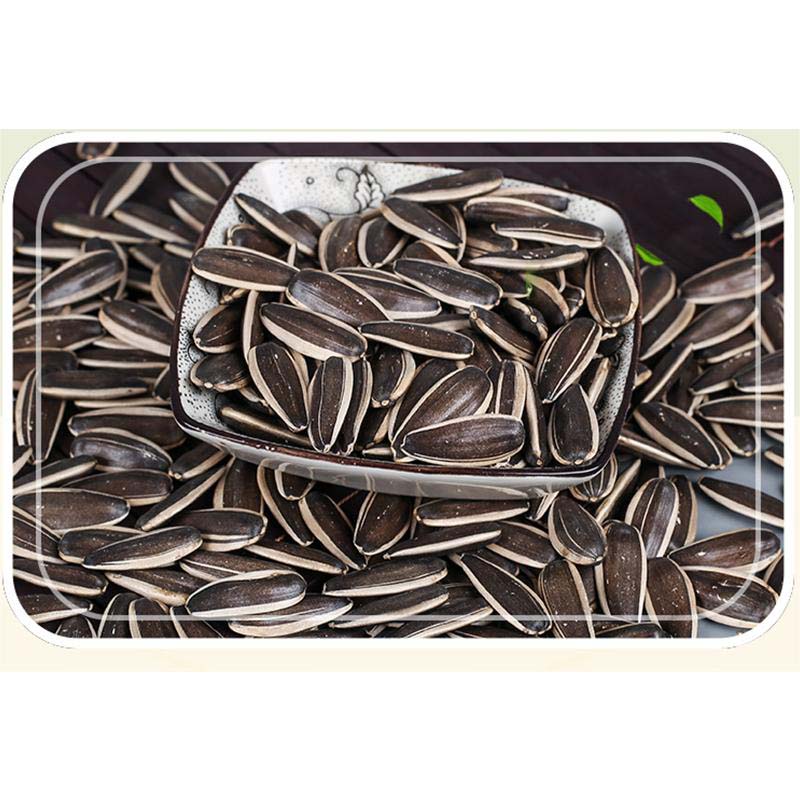
High quality super snack sunflower seeds represent a significant segment within the broader snack food industry, positioned as a healthy and convenient alternative to traditional processed snacks. These seeds are not simply a commodity agricultural product; their value is derived from controlled cultivation, precise processing techniques, and rigorous quality assurance measures. Within the industry chain, they bridge the gap between agricultural production and consumer packaged goods. Core performance attributes center around seed size, kernel fullness, oil content, moisture level, and absence of defects (such as broken kernels or foreign material). Meeting and exceeding these benchmarks is crucial for achieving optimal flavor, texture, and shelf life, differentiating a premium product from standard offerings. The increasing consumer demand for natural and nutritious snacking options drives the need for detailed understanding of the science and engineering behind producing consistently high-quality sunflower seeds.
Material Science & Manufacturing
Sunflower seeds ( Helianthus annuus) are composed primarily of lipids (40-50% oil content, predominantly linoleic acid), proteins (20-25%), carbohydrates (15-20%), and fiber. The hull, or pericarp, provides structural integrity and protection, influencing moisture permeability and shelf life. Seed varieties are selected based on oil profile, kernel size, and disease resistance. Manufacturing begins with harvesting at optimal maturity – typically when the back of the seed head turns brown and the seeds exhibit a moisture content of approximately 10-12%. Pre-cleaning removes debris like stems, leaves, and other plant matter. Dehulling is a critical process. Mechanical dehulling utilizes abrasive surfaces to remove the hull without damaging the kernel. Careful control of dehulling pressure and abrasion intensity is paramount to minimize kernel breakage and maximize yield. Following dehulling, seeds undergo further cleaning, sorting (based on size and density), and drying to achieve a stable moisture content (typically 6-8%) for storage and processing. Roasting, a key flavor development step, requires precise temperature and time control. Maillard reactions between amino acids and reducing sugars contribute to the characteristic roasted flavor. Excessive temperatures lead to acrylamide formation and rancidity, while insufficient temperatures result in a bland product. Finally, seasoning (salt, spices, etc.) is applied, and seeds are packaged in moisture-barrier films to preserve freshness. Parameter control during roasting – temperature ramping rates, dwell times, and airflow – is critical for consistent quality.
Performance & Engineering
The structural integrity of the sunflower seed kernel is governed by its tensile strength and compressive strength. These properties influence its resistance to cracking during processing (dehulling, roasting) and handling. Moisture content significantly impacts these mechanical properties; lower moisture levels generally increase brittleness. The oil content affects the seed’s texture and mouthfeel. Lipid oxidation, driven by exposure to oxygen, light, and heat, is a primary degradation pathway leading to rancidity. Antioxidants (e.g., vitamin E) are often added to retard oxidation. Barrier properties of the packaging material are crucial for preventing moisture ingress and oxygen permeation. Compliance requirements involve adhering to food safety standards (e.g., HACCP, GMP) and regulatory limits for contaminants (e.g., heavy metals, mycotoxins). Furthermore, the design of the dehulling and roasting equipment must account for efficient heat transfer, uniform processing, and minimal seed damage. Force analysis during dehulling considers the force required to fracture the hull without damaging the kernel, optimizing dehulling parameters for maximum yield and minimum breakage. Environmental resistance, specifically humidity control during packaging and storage, is paramount in maintaining the seeds' crispness and preventing agglomeration.
Technical Specifications
| Parameter | Unit | Specification (Premium Grade) | Test Method |
|---|---|---|---|
| Kernel Content | % by weight | ≥ 55 | ASTM E177 |
| Moisture Content | % by weight | ≤ 8.0 | AOAC 925.10 |
| Oil Content | % by weight | ≥ 45 | SOXTEC Method |
| Broken Kernels & Hull Fragments | % by weight | ≤ 2.0 | Visual Inspection (ASTM E47) |
| Foreign Material | % by weight | ≤ 0.5 | Visual Inspection (ASTM E47) |
| Peroxide Value | meq O2/kg | ≤ 5.0 | AOCS Cd 8-53 |
Failure Mode & Maintenance
Common failure modes include rancidity due to lipid oxidation, evidenced by off-flavors and odors. This is accelerated by exposure to oxygen, light, and elevated temperatures. Kernel cracking and breakage can occur during processing (dehulling, roasting) if parameters are not optimized. Moisture absorption leads to softening and loss of crispness, potentially promoting microbial growth. Contamination with mycotoxins (produced by fungi) is a serious food safety concern, particularly if raw materials are not properly stored. Delamination (separation of the kernel from the hull fragment) can occur if the dehulling process is too aggressive. Maintenance strategies include rigorous quality control of raw materials, optimized processing parameters, and proper packaging. Storage facilities should be cool, dry, and well-ventilated. Regular monitoring of peroxide value is essential for assessing oil quality. Equipment maintenance – ensuring proper calibration of dehulling machinery and consistent roasting temperature control – is critical for minimizing seed damage. Implementing a robust HACCP plan and adhering to GMP guidelines are essential for preventing contamination and ensuring food safety.
Industry FAQ
Q: What is the significance of the peroxide value in assessing sunflower seed quality?
A: The peroxide value (PV) is a key indicator of lipid oxidation and rancidity. A higher PV indicates a greater degree of oxidation, signifying that the oil has begun to degrade. Monitoring PV is crucial for determining shelf life and ensuring product freshness. A low PV is a key specification for high-quality sunflower seeds.
Q: How does the dehulling process impact the final product quality?
A: The dehulling process is critical. Improperly calibrated machinery or excessive dehulling pressure can cause kernel breakage, reducing yield and affecting texture. Insufficient dehulling leaves excessive hull fragments, impacting flavor and mouthfeel. The goal is to achieve complete dehulling with minimal kernel damage.
Q: What packaging materials are best suited for maintaining sunflower seed freshness?
A: Packaging materials with low oxygen and moisture permeability are essential. Multi-layer films incorporating aluminum foil or metallized layers, combined with a sealant layer, provide excellent barrier properties. Modified atmosphere packaging (MAP), utilizing nitrogen flushing, can further extend shelf life by reducing oxygen levels.
Q: What are the critical control points in a HACCP plan for sunflower seed processing?
A: Critical control points include raw material sourcing (assessing for mycotoxins), dehulling (ensuring minimal damage), roasting (controlling temperature and time to prevent acrylamide formation), and packaging (ensuring a proper seal and barrier properties). Regular monitoring and record-keeping at each CCP are crucial.
Q: How does seed variety influence the final product characteristics?
A: Seed variety significantly impacts oil content, kernel size, and flavor profile. Varieties with higher oleic acid content are more resistant to oxidation and offer longer shelf life. Kernel size influences the texture and eating experience. Selecting the appropriate variety for the intended application (e.g., roasting, seasoning) is critical.
Conclusion
The production of high quality super snack sunflower seeds is a multifaceted process requiring a comprehensive understanding of material science, engineering principles, and quality control methodologies. Achieving consistent product quality necessitates meticulous attention to detail throughout the entire supply chain, from seed selection and harvesting to processing, packaging, and storage. The key challenges revolve around minimizing lipid oxidation, preventing kernel damage, and ensuring food safety.
Future advancements in sunflower seed processing may focus on optimizing dehulling techniques to further reduce breakage, developing novel antioxidant formulations to enhance shelf life, and implementing advanced monitoring systems for real-time quality assessment. Adherence to international standards and a commitment to continuous improvement are crucial for maintaining a competitive edge in the rapidly evolving snack food market.
