Introduction
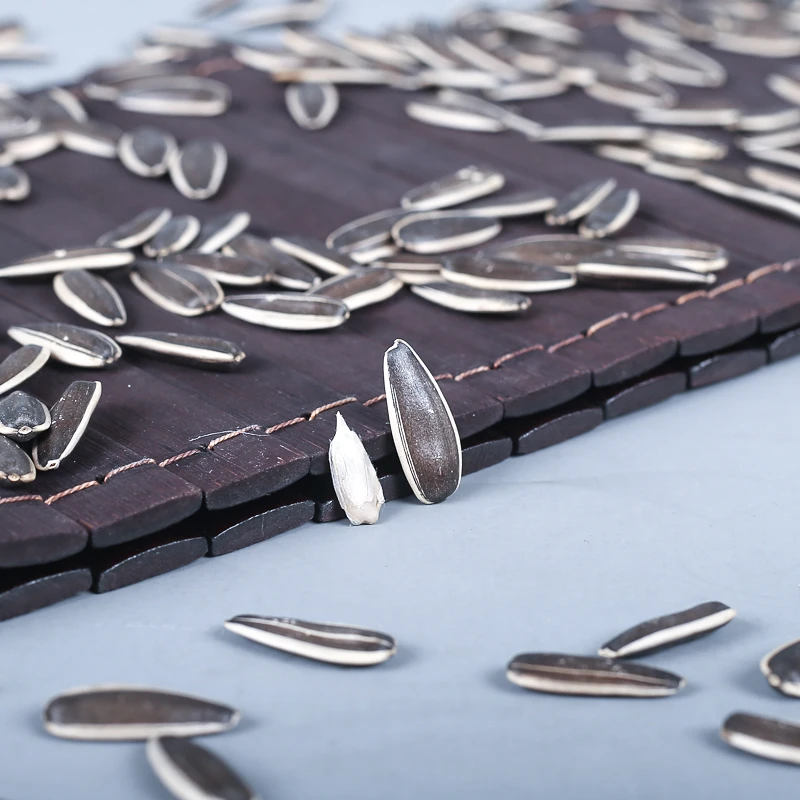
Sunflower seeds without the shell, often referred to as “sunflower kernels” or “shelled sunflower seeds,” represent a highly processed form of the sunflower seed ( Helianthus annuus). These kernels occupy a specific niche within the broader seed and snack food industry, distinct from whole sunflower seeds primarily due to their convenience and ease of consumption. The production of high-quality kernels necessitates meticulous control across the entire supply chain, from cultivar selection and agricultural practices to post-harvest processing and quality assurance. Kernel quality is defined by a complex interplay of factors including oil content, protein content, moisture content, absence of hull fragments, physical integrity, and freedom from defects. These parameters dictate the suitability of the kernels for direct consumption, confectionery applications, or further processing into sunflower oil and meal. This guide provides an in-depth technical analysis of shelled sunflower seeds, covering material science, manufacturing, performance characteristics, failure modes, and relevant industry standards, aimed at informing procurement managers, food scientists, and quality control personnel.
Material Science & Manufacturing
The primary constituent of sunflower kernels is the endosperm, representing roughly 80-90% of the kernel weight. This endosperm is rich in oil (40-55% by weight), primarily linoleic acid (a polyunsaturated omega-6 fatty acid) and oleic acid (a monounsaturated fatty acid). Protein content typically ranges from 18-24%, composed of various globulins, albumins, and prolamins. The remaining portion comprises carbohydrates (approximately 10-15%), fiber, and minerals like magnesium, phosphorus, and vitamin E. Manufacturing begins with cultivar selection. High-oleic cultivars are favored for improved oxidative stability and longer shelf life. Harvesting is critical, with optimal moisture content (8-12%) minimizing damage and preventing fungal growth. Drying is performed to reduce moisture further (typically to below 7%) to inhibit microbial activity. The de-hulling process is a key stage, often employing impact-based dehullers or centrifugal systems. Precision is crucial to minimize kernel breakage and maximize yield. Subsequent cleaning removes hull fragments, foreign material, and damaged kernels using a combination of screens, air separation, and optical sorting. Size grading is then performed to categorize kernels based on diameter, impacting their market value and intended application. Finally, kernels are often coated with a light vegetable oil spray to maintain moisture and enhance appearance. Parameter control during drying (temperature, airflow) is essential to prevent protein denaturation and lipid oxidation. Dehulling parameters (impact velocity, clearance) must be optimized to balance yield and kernel integrity. Optical sorting algorithms must be calibrated to accurately identify and remove defective kernels based on color, shape, and size.
Performance & Engineering
The performance of sunflower kernels is primarily dictated by their physical and chemical stability during storage and transportation. Mechanical strength is an important factor, with kernels subject to compressive forces during handling and packaging. Kernels with inherent structural weaknesses (e.g., cracks, fissures) are more susceptible to breakage. The oil content influences the rate of oxidative rancidity, which is accelerated by exposure to oxygen, light, and elevated temperatures. Antioxidant levels (vitamin E) play a critical role in mitigating lipid oxidation. Moisture content is a key parameter; exceeding 7% promotes microbial growth and accelerates degradation. Packaging materials must provide an effective barrier to oxygen and moisture. Force analysis during packaging and shipping reveals that kernels experience peak compressive loads of 5-10 MPa. Engineering considerations include designing packaging that minimizes stress concentration and protects against impact damage. Environmental resistance is critical; kernels should withstand temperature fluctuations ( -10°C to 40°C) and relative humidity variations (30-70%) without significant quality loss. Compliance requirements pertain to food safety regulations (e.g., HACCP, GMP) and labeling standards (e.g., allergen declarations, nutritional information). The presence of aflatoxins, produced by Aspergillus fungi, is a major concern, requiring stringent monitoring and control measures throughout the supply chain. The kernel’s texture also contributes to its sensory performance, impacting perceived quality and consumer acceptance.
Technical Specifications
| Parameter | Unit | Grade A | Grade B |
|---|---|---|---|
| Oil Content (Dry Basis) | % | ≥ 50 | 45-49.9 |
| Protein Content (Dry Basis) | % | ≥ 20 | 18-19.9 |
| Moisture Content | % | ≤ 6.0 | 6.1-7.0 |
| Kernel Size (Diameter) | mm | 14-16 | 12-13.9 or 16.1-18 |
| Broken Kernels & Hull Fragments | % | ≤ 2 | 2.1-5 |
| Foreign Material | % | ≤ 0.5 | 0.6-1.0 |
Failure Mode & Maintenance
Sunflower kernels are susceptible to several failure modes. Lipid oxidation is a primary degradation pathway, leading to rancidity and off-flavors. This is accelerated by exposure to oxygen, light, and elevated temperatures. Proteins can undergo denaturation, affecting texture and nutritional value, particularly during improper drying or storage. Microbial contamination, particularly with Aspergillus species, can result in aflatoxin production, rendering the kernels unsafe for consumption. Physical damage, such as cracking and chipping, occurs during handling, processing, and transportation. Fatigue cracking can occur in kernels subjected to repeated stress. Delamination, or separation of the kernel cotyledons, can also occur. Maintenance of kernel quality requires strict adherence to storage guidelines: cool (≤ 15°C), dry (≤ 6% moisture content), and dark conditions. Packaging should provide an effective oxygen and moisture barrier. Regular monitoring of aflatoxin levels is essential. Implementing a robust quality control program, including visual inspection and laboratory analysis, can help identify and remove defective kernels. Proper cleaning and sanitation of processing equipment are crucial to prevent microbial contamination. Inventory rotation (FIFO – First In, First Out) ensures that older stock is used before newer stock, minimizing the risk of degradation. Antioxidant packaging and the inclusion of natural antioxidants (e.g., rosemary extract) can extend shelf life.
Industry FAQ
Q: What is the impact of hull fragments on kernel quality and how are they minimized?
A: Hull fragments reduce the aesthetic appeal of the kernels and can contribute to off-flavors. They also indicate incomplete dehulling, potentially affecting the textural characteristics. Minimizing hull fragments requires precise calibration of dehulling equipment, optimized impact velocities, and efficient cleaning systems utilizing screens and air separation techniques. Optical sorting further removes remaining hull fragments.
Q: How does the fatty acid profile (oleic vs. linoleic) influence the shelf life of the kernels?
A: High-oleic kernels exhibit superior oxidative stability compared to high-linoleic kernels due to the presence of a single double bond in oleic acid, making it less susceptible to oxidation. This translates to a longer shelf life and reduced risk of rancidity. Cultivar selection plays a crucial role in controlling the fatty acid profile.
Q: What are the critical control points for aflatoxin contamination in sunflower kernels?
A: Critical control points include pre-harvest monitoring for insect damage (which provides entry points for Aspergillus), proper drying to reduce moisture content, effective cleaning to remove contaminated kernels, and storage under conditions that inhibit fungal growth (cool, dry, and dark). Regular aflatoxin testing is also essential.
Q: What packaging materials are recommended to maximize shelf life and preserve kernel quality?
A: Multi-layer packaging materials incorporating aluminum foil or metallized polyester films are recommended to provide an effective barrier to oxygen, moisture, and light. Modified atmosphere packaging (MAP) utilizing nitrogen flushing can further reduce oxygen levels. Packaging should also be durable to withstand mechanical stresses during transportation.
Q: What analytical methods are used to assess the quality of sunflower kernels?
A: Common analytical methods include moisture content determination (oven drying), oil content determination (solvent extraction), protein content determination (Kjeldahl method), fatty acid profile analysis (gas chromatography), aflatoxin analysis (HPLC or ELISA), and visual inspection for defects (size, shape, color, damage).
Conclusion
High-quality shelled sunflower kernels are a complex product requiring stringent control at every stage of production, from agricultural practices to packaging and storage. The kernel’s value is derived from its nutritional profile, particularly its oil and protein content, and its ease of consumption. Maintaining kernel quality necessitates careful attention to material science principles – understanding lipid oxidation, protein denaturation, and microbial growth – and meticulous control of manufacturing parameters, including drying temperatures, dehulling forces, and cleaning efficiency.
Future advancements will likely focus on optimizing cultivar selection for improved oil stability and disease resistance, developing more efficient dehulling technologies that minimize kernel breakage, and implementing advanced packaging solutions to extend shelf life and preserve nutritional value. A continued emphasis on rigorous quality control and adherence to international standards remains paramount to ensuring the safety and marketability of this valuable food product.
