Introduction
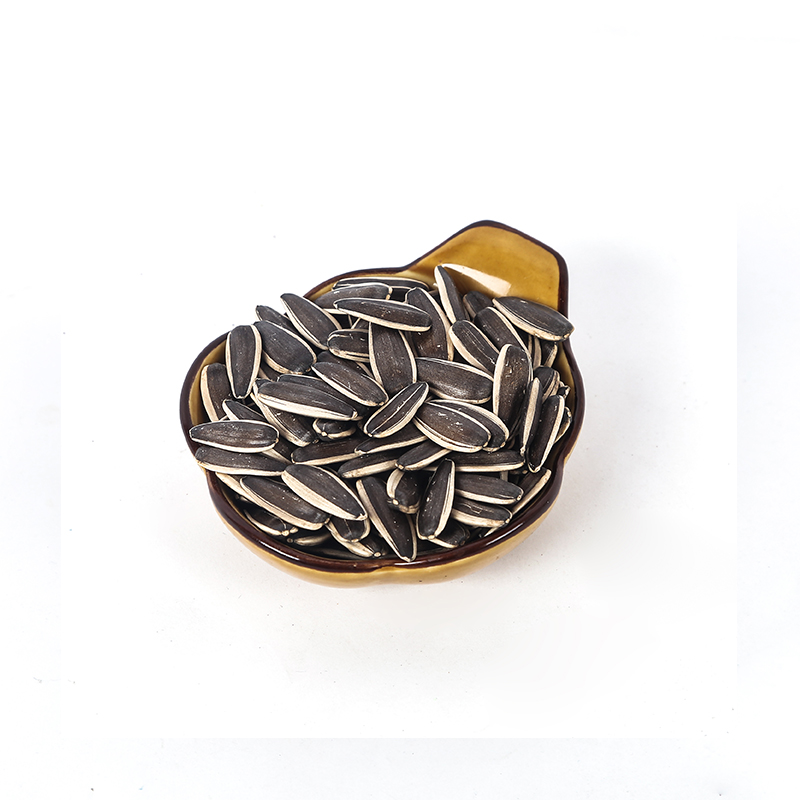
High-quality sunflower seeds with shell ( Helianthus annuus ) represent a critical component within the agricultural commodities market, serving as both a direct food source and a valuable input for oil extraction. This guide details the technical specifications, material science, manufacturing processes, performance characteristics, potential failure modes, and maintenance protocols associated with these seeds, addressing key industry pain points related to yield consistency, oil content, and seed integrity. Sunflower seeds with shell differ from hulled seeds in that the pericarp (shell) remains intact, impacting storage life, processing requirements, and ultimately, the final product characteristics. Their position in the supply chain begins with agricultural production, progresses through cleaning, grading, and shelling (if applicable), and culminates in consumption or industrial processing. Key performance indicators include oil yield, protein content, moisture content, and freedom from contaminants. The presence of the shell provides a physical barrier against moisture ingress and oxidation, increasing storage stability compared to hulled seeds.
Material Science & Manufacturing
Sunflower seeds are comprised of several key components: the seed coat (pericarp), the kernel (cotyledons), the embryo, and the hull. The pericarp is primarily composed of cellulose, hemicellulose, and lignin, providing structural integrity and a protective barrier. The kernel, the economically valuable portion, is rich in lipids (primarily linoleic acid), proteins, carbohydrates, and various micronutrients. The manufacturing process begins with cultivar selection, prioritizing high-oil-content and disease-resistant varieties. Agricultural practices, including fertilization, irrigation, and pest control, significantly impact seed quality. Post-harvest, cleaning processes remove debris such as stems, leaves, and other seeds. Grading is conducted based on seed size, weight, and the percentage of foreign material. Moisture content is a critical parameter controlled during drying to prevent fungal growth and maintain seed viability. Drying typically occurs in controlled-environment facilities utilizing forced air convection. Shell integrity is assessed during grading; cracked or damaged shells reduce storage life and increase susceptibility to insect infestation. The shell's composition impacts its brittleness; lignin content influences its resistance to cracking during handling and processing. Seed maturation stages impact oil accumulation within the kernel; optimal harvesting timing is determined by kernel moisture content and black dot development on the seed back.
Performance & Engineering
The performance of sunflower seeds with shell is intrinsically linked to their structural integrity and biochemical composition. Force analysis reveals that the shell’s resistance to cracking under compressive loads is a key indicator of its protective capability during storage and transportation. The shell’s tensile strength directly correlates with its lignin content. Environmental resistance is critical; prolonged exposure to high humidity promotes fungal growth, leading to aflatoxin contamination and seed degradation. Temperature fluctuations can induce stress cracking in the shell, compromising its barrier properties. Compliance requirements dictate maximum permissible levels of contaminants (e.g., heavy metals, pesticides) and microbial pathogens. Oil extraction efficiency is affected by kernel hardness; harder kernels require greater mechanical force during pressing or solvent extraction. Seed size uniformity is crucial for consistent processing rates in automated machinery. The shell's thickness affects the efficiency of dehulling operations when hulled seeds are desired. Furthermore, the shell contributes to the overall bulk density of the seeds, impacting storage capacity and transportation costs. Engineering considerations include designing storage facilities to maintain optimal temperature and humidity, utilizing appropriate packaging materials to minimize moisture ingress, and implementing quality control measures to monitor seed viability and oil content.
Technical Specifications
| Parameter | Unit | Typical Value (High Quality Seeds) | Testing Method |
|---|---|---|---|
| Oil Content (Dry Basis) | % | 42-52 | Nuclear Magnetic Resonance (NMR) |
| Protein Content (Dry Basis) | % | 18-25 | Kjeldahl Method |
| Moisture Content | % | 8-10 | Oven Drying Method (ASTM D2491) |
| Kernel Size (Diameter) | mm | 10-16 | Sieve Analysis (ISO 7872) |
| Shelling Percentage | % | 50-60 | Manual Dehulling and Weighing |
| Acid Value | mg KOH/g | < 1.0 | Titration (AOCS Cd 3-25) |
Failure Mode & Maintenance
Sunflower seeds with shell are susceptible to several failure modes during storage and transportation. Fungal infestation, primarily by Aspergillus species, is a major concern, leading to aflatoxin production – a potent carcinogen. This is exacerbated by high moisture content and inadequate ventilation. Insect infestation, particularly by storage beetles, can cause significant seed damage and reduce oil quality. Physical damage to the shell, such as cracking or chipping, compromises its protective barrier, increasing susceptibility to moisture ingress and pest attacks. Oxidation of lipids within the kernel leads to rancidity and a decrease in oil quality. Prolonged storage at elevated temperatures accelerates oxidative degradation. Maintenance protocols include proper drying to achieve optimal moisture content, storing seeds in cool, dry, and well-ventilated facilities, utilizing insect-proof storage containers, and implementing regular inspection schedules to detect signs of infestation or damage. Aflatoxin testing should be conducted periodically to ensure compliance with regulatory limits. Preventative measures against insect infestation include the use of inert dusts (e.g., diatomaceous earth) and controlled atmosphere storage (reducing oxygen levels). Maintaining the structural integrity of the shell throughout the supply chain is paramount to minimizing losses and preserving seed quality. Routine analysis of acid value provides an indication of lipid oxidation levels.
Industry FAQ
Q: What is the significance of the black dot test, and how does it relate to seed quality?
A: The black dot test identifies the presence of Alternaria spores on the seed surface. While not directly indicative of aflatoxin contamination, a high black dot percentage suggests prolonged exposure to wet conditions during maturation, potentially increasing the risk of fungal infections and mycotoxin production. It also correlates with reduced germination rates and seedling vigor.
Q: How does seed size variability impact oil extraction efficiency?
A: Greater seed size variability necessitates adjustments to oil extraction parameters. Larger seeds may require higher pressing forces, while smaller seeds may pass through extraction equipment without being fully processed. Uniform seed size optimizes extraction efficiency and reduces oil loss.
Q: What are the key differences between solvent extraction and mechanical pressing for sunflower oil production, and how do they affect seed quality?
A: Mechanical pressing is a physical process, preserving more of the seed's natural nutrients but often resulting in lower oil yields. Solvent extraction utilizes hexane to dissolve the oil, achieving higher yields but potentially leaving residual solvent traces. Solvent extraction typically requires more extensive seed preparation (flaking, cooking).
Q: How does the lignin content of the shell correlate with its resistance to cracking and breakage during handling?
A: Higher lignin content generally equates to greater shell rigidity and resistance to cracking. Lignin acts as a binding agent, strengthening the cell walls of the pericarp. Shells with lower lignin content are more brittle and prone to damage during transportation and processing.
Q: What analytical methods are used to determine the fatty acid profile of sunflower oil, and why is this important?
A: Gas Chromatography (GC) is the primary method used to determine the fatty acid composition of sunflower oil. Knowing the fatty acid profile is crucial for assessing oil quality, nutritional value (linoleic acid content is particularly important), and suitability for different applications (e.g., edible oil, biodiesel).
Conclusion
High-quality sunflower seeds with shell represent a complex agricultural commodity, requiring meticulous attention to detail throughout the entire production and supply chain. Maintaining optimal moisture content, ensuring shell integrity, and implementing rigorous quality control measures are paramount to preserving seed viability, preventing fungal contamination, and maximizing oil yield. The interplay between material science, manufacturing processes, and environmental factors dictates the overall performance and longevity of these seeds.
Future advancements in sunflower seed breeding will likely focus on enhancing disease resistance, increasing oil content, and improving shell strength. Precision agriculture techniques, utilizing sensor technology and data analytics, will enable optimized fertilization and irrigation practices, further enhancing seed quality. Continued research into novel storage technologies, such as modified atmosphere packaging, will extend shelf life and minimize post-harvest losses. Ultimately, a comprehensive understanding of the technical aspects outlined in this guide is essential for stakeholders across the sunflower seed industry.
