Introduction
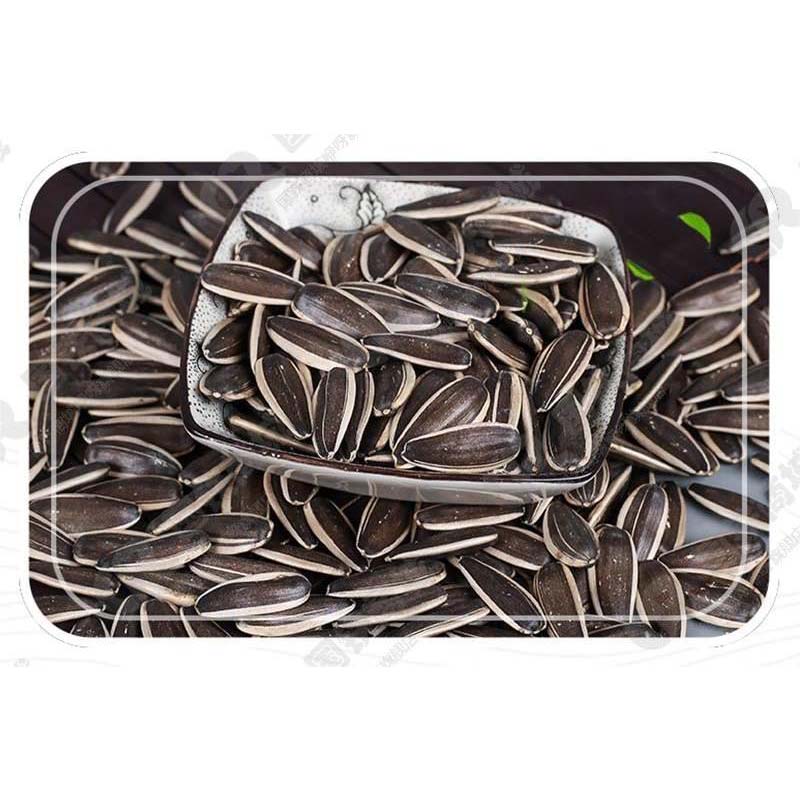
High-quality sunflower seeds with shells for eating represent a significant segment within the snack food industry, categorized as oilseed-derived human consumption products. Positioned between agricultural commodity processing and direct consumer packaged goods, these seeds undergo a critical series of post-harvest processes to ensure palatability, safety, and preservation of nutritional value. The core performance characteristics include kernel size, oil content, shell strength, moisture content, and freedom from aflatoxins and other contaminants. Industry pain points revolve around maintaining consistent seed quality across varying growing seasons, mitigating the risk of mycotoxin contamination, optimizing shell processing for optimal eating experience, and meeting increasingly stringent food safety regulations globally. This guide provides a comprehensive technical overview of sunflower seed production, properties, quality control, and potential failure modes, essential for procurement managers, quality assurance personnel, and manufacturing engineers involved in the sunflower seed supply chain.
Material Science & Manufacturing
Sunflower seeds ( Helianthus annuus ) consist primarily of three components: the kernel (cotyledon), the shell (pericarp), and the embryo. The kernel is rich in linoleic acid (approximately 68-74%), oleic acid (approximately 14-20%), palmitic acid (approximately 4-7%), and stearic acid (approximately 1-2%). Protein content ranges from 18-24% and fiber from 8-12%. The shell, composed primarily of cellulose, hemicellulose, and lignin, provides structural integrity. Manufacturing begins with harvesting, followed by drying to reduce moisture content to 8-10% to prevent fungal growth. Cleaning separates the seeds from debris. Grading classifies seeds based on size and density. Shelling, a critical step, employs either mechanical dehulling (impact, friction, or aspiration) or chemical softening (rare due to residue concerns). Key parameter control during shelling includes impact velocity, plate gap, and aspiration force. Roasting, typically at 120-180°C, enhances flavor and crispness through Maillard reactions and caramelization of sugars. Salt application or other seasonings occur post-roasting. Packaging utilizes materials with low oxygen transmission rates (OTR) and low moisture vapor transmission rates (WVTR) to maintain product freshness. Control of roasting temperature and time are crucial to prevent lipid oxidation and the formation of acrylamide. Seed variety plays a significant role, with confectionary varieties possessing thinner shells and larger kernels compared to oilseed varieties.
Performance & Engineering
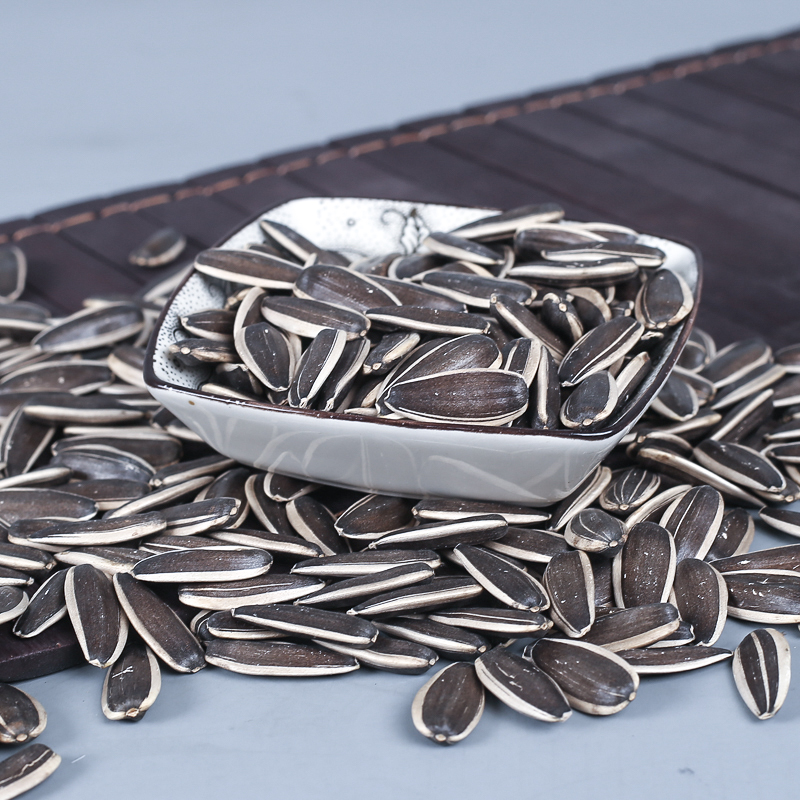
The mechanical properties of sunflower seeds are critical for processing and consumer acceptance. Shell strength, measured by fracture resistance, directly impacts shelling efficiency and kernel damage. Kernel hardness, influenced by protein content and oil composition, determines the perceived crispness during consumption. Force analysis during shelling involves understanding the energy required to fracture the shell without damaging the kernel. Environmental resistance focuses on the seed's ability to withstand fluctuations in temperature and humidity. Prolonged exposure to high humidity can lead to fungal growth and aflatoxin production. Compliance requirements include adherence to food safety regulations (FDA in the US, EFSA in Europe) regarding mycotoxin levels (aflatoxin B1, ochratoxin A), pesticide residues, and heavy metal content. Functional implementation, specifically the eating experience, is influenced by shell texture (smoothness, ease of cracking) and kernel size. Aflatoxin mitigation strategies are paramount; these include proper drying, storage in low-humidity environments, and the use of approved antifungal treatments. Packaging materials must provide a barrier against oxygen and moisture to prevent rancidity and maintain product quality during storage and transport. The tensile strength of the shell dictates its ability to withstand handling and transportation stresses.
Technical Specifications
| Parameter | Unit | Typical Value (Confectionary Grade) | Acceptable Range |
|---|---|---|---|
| Kernel Oil Content | % (Dry Weight Basis) | 48-52 | 45-55 |
| Kernel Moisture Content | % | 7-9 | 6-10 |
| Shell Moisture Content | % | 8-10 | 7-12 |
| Kernel Size (Average Diameter) | mm | 10-12 | 8-14 |
| Shell Strength (Fracture Resistance) | N | 20-30 | 15-35 |
| Aflatoxin B1 Level | ppb | <2 | <20 (Regulatory Limit) |
Failure Mode & Maintenance
Sunflower seeds are susceptible to several failure modes. Lipid Oxidation occurs due to exposure to oxygen, leading to rancidity and off-flavors. Preventive measures include packaging in nitrogen-flushed bags and incorporating antioxidants. Aflatoxin Contamination is a significant concern; failure can result in product recalls and health risks. Mitigation requires proper drying, storage, and monitoring. Shelling Damage – kernels fractured during shelling reduce product yield and quality. Optimizing shelling parameters and equipment maintenance are crucial. Moisture Absorption leads to fungal growth and reduced shelf life. Maintaining low humidity during storage and utilizing moisture-barrier packaging are essential. Insect Infestation can occur during storage if proper sanitation and pest control measures are not implemented. Physical Damage during transport (cracking, breakage) can affect visual appeal and product quality. Proper packaging and handling protocols are necessary. Maintenance involves regular cleaning of processing equipment, calibration of sensors, and monitoring of storage conditions (temperature, humidity). Periodic testing for aflatoxins and other contaminants is critical. A robust quality control system with defined acceptance criteria at each stage of production is vital for preventing failures.
Industry FAQ
Q: What are the primary factors influencing aflatoxin contamination in sunflower seeds?
A: Aflatoxin contamination is primarily influenced by pre-harvest factors (drought stress, insect damage), improper drying after harvest, and inadequate storage conditions (high humidity, warm temperatures). The Aspergillus flavus fungus produces aflatoxins, and its growth is favored by these conditions. Implementing strict drying protocols and maintaining low-humidity storage environments are critical mitigation strategies.
Q: How does shell thickness impact the efficiency of the shelling process?
A: Shell thickness is a crucial parameter. Thicker shells require more energy to fracture, leading to increased kernel damage and reduced shelling efficiency. Confectionary varieties, selected for thinner shells, are generally easier to shell while minimizing kernel breakage. Optimizing shelling parameters (impact velocity, plate gap) is also essential.
Q: What is the significance of oil content in sunflower seeds for eating quality?
A: Oil content directly impacts the flavor, texture, and overall palatability of the seeds. Higher oil content generally results in a richer flavor and a more desirable mouthfeel. However, oil content also affects the shelf life, as unsaturated fats are prone to oxidation. A balance between oil content and oxidative stability is therefore crucial.
Q: What packaging materials are recommended to maximize shelf life and prevent rancidity?
A: Packaging materials with low oxygen transmission rates (OTR) and low moisture vapor transmission rates (WVTR) are recommended. Multi-layer films incorporating aluminum foil or metallized polyester provide excellent barrier properties. Nitrogen flushing before sealing further reduces oxygen levels, minimizing lipid oxidation. Properly sealed bags are critical.
Q: How are pesticide residues monitored and controlled to ensure compliance with food safety regulations?
A: Pesticide residues are monitored through routine laboratory testing using gas chromatography-mass spectrometry (GC-MS) or liquid chromatography-mass spectrometry (LC-MS). Maximum residue limits (MRLs) are established by regulatory bodies (FDA, EFSA). Growers are required to adhere to Good Agricultural Practices (GAP) and only use approved pesticides at recommended application rates. Traceability systems are essential for identifying the source of any potential contamination.
Conclusion
Sunflower seeds with shells for eating present a complex interplay of agricultural, chemical, and engineering considerations. Maintaining high quality hinges on meticulous control throughout the entire supply chain, from seed selection and harvesting to processing, packaging, and storage. The critical parameters – oil content, moisture levels, aflatoxin contamination, and shell strength – demand rigorous monitoring and adherence to established standards.
Future advancements will likely focus on developing sunflower varieties with enhanced shell characteristics (ease of shelling, increased strength), improving aflatoxin mitigation strategies through biological control agents, and optimizing packaging materials for extended shelf life and reduced environmental impact. A proactive approach to quality control, coupled with continuous improvement in processing technologies, will be essential for meeting the evolving demands of the snack food industry.
