Introduction
High quality sunflower seeds conforming to Whole30 dietary guidelines represent a specialized agricultural product increasingly demanded by health-conscious consumers. Unlike conventionally processed sunflower seeds, Whole30 compliant varieties undergo minimal processing, excluding the addition of sugars, grains, legumes, dairy, and other non-compliant ingredients. These seeds are positioned within the food supply chain as a direct consumable snack, a component of trail mixes, or as an ingredient in Whole30 approved recipes. Core performance attributes center around oil content, protein density, kernel size consistency, and the absence of cross-contamination with prohibited substances. The industry faces challenges in maintaining purity throughout the supply chain, minimizing acrylamide formation during roasting (if applicable), and ensuring consistent quality across varying agricultural conditions. This guide provides a comprehensive technical overview of high-quality, Whole30-compliant sunflower seed production, composition, and performance characteristics.
Material Science & Manufacturing
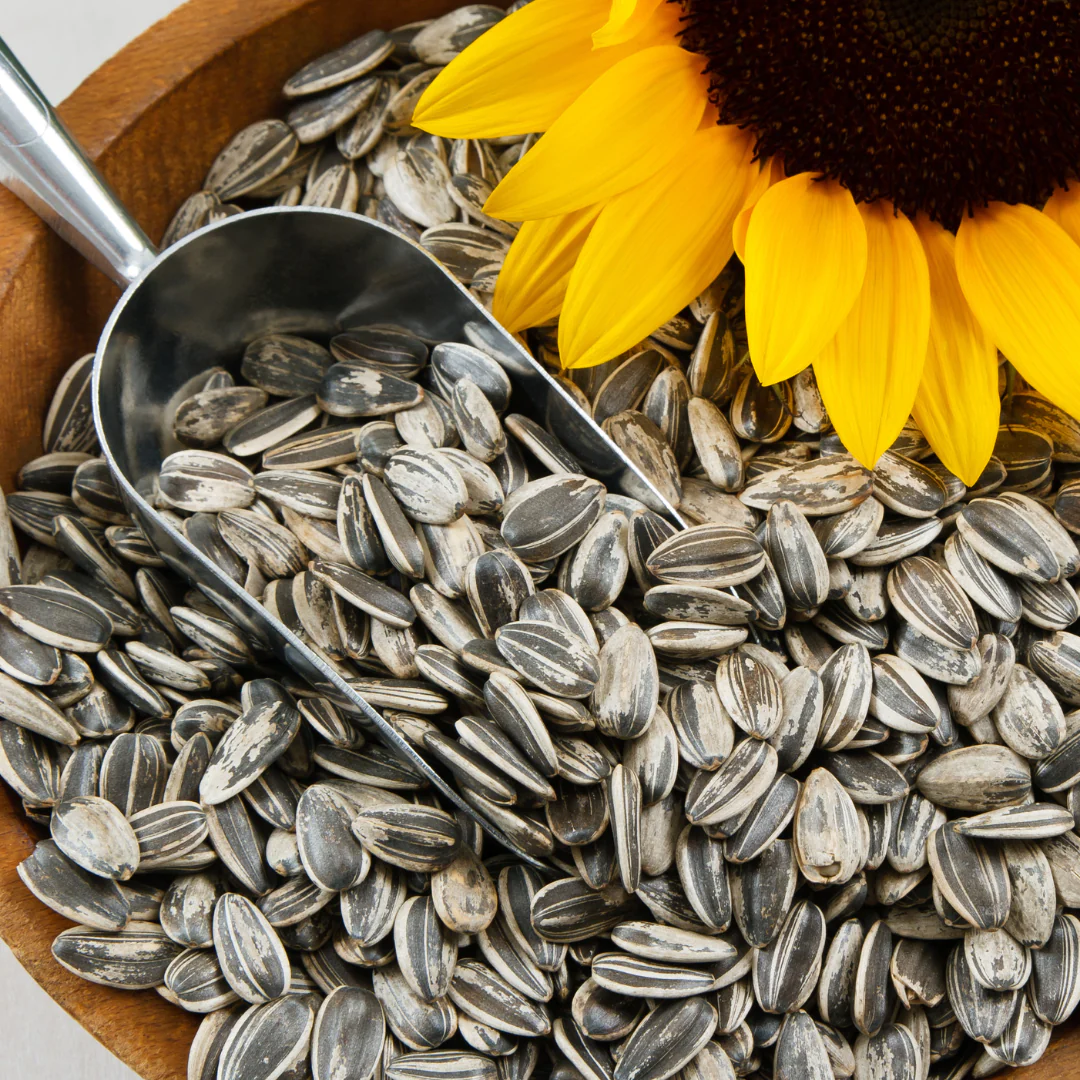
Sunflower seeds ( Helianthus annuus) consist primarily of a lipid matrix (40-50% by weight) composed of linoleic acid, oleic acid, and palmitic acid, along with a significant protein component (20-25%). The hull, or pericarp, is composed primarily of cellulose and lignin, providing structural integrity. Whole30 compliance necessitates focusing on seed genetics and processing to avoid prohibited ingredients. Seed varieties are selected for high oil content and desirable fatty acid profiles. Manufacturing begins with harvesting, followed by drying to a moisture content of approximately 9-10% to inhibit mold growth. Cleaning removes debris, stems, and damaged seeds. Critical parameters during processing include temperature control; excessive heat during roasting (a common processing step) can lead to acrylamide formation, which is a concern even if below regulatory thresholds. Whole30 compliance mandates that any added seasonings or coatings consist only of approved ingredients (salt, herbs, spices). The seeds are then graded based on size and uniformity. Packaging materials must also be Whole30 compliant, typically using food-grade polyethylene or polypropylene without prohibited additives. Storage conditions are paramount; seeds are susceptible to rancidity due to lipid oxidation, necessitating storage in airtight containers under cool, dark conditions, ideally with nitrogen flushing to displace oxygen.
Performance & Engineering
The performance of sunflower seeds in Whole30 applications relates primarily to their nutritional value and sensory characteristics. Force analysis during chewing reveals the hull’s fracture strength, influencing texture perception. Environmental resistance focuses on maintaining seed viability and preventing rancidity. Packaging plays a critical role in moisture barrier properties and oxygen permeability. Compliance requirements extend beyond ingredient lists to encompass manufacturing practices; facilities must avoid cross-contamination with Whole30 prohibited substances. From an engineering perspective, optimal seed size uniformity promotes consistent roasting (if applicable) and even distribution in mixes. Oil stability, measured by peroxide value (PV) and anisidine value (AV), is a key indicator of shelf life and product quality. Moisture content directly impacts susceptibility to mold growth and aflatoxin production. The seeds' protein structure dictates digestibility and amino acid bioavailability. Mechanical sorting processes must minimize damage to the seed coat to preserve oil content and prevent lipid oxidation. The thermal properties of the seed influence roasting parameters, impacting texture and flavor development. Maintaining a low water activity (Aw) inhibits microbial growth and extends shelf life.
Technical Specifications
| Parameter | Unit | Specification | Test Method |
|---|---|---|---|
| Oil Content (Dry Basis) | % | 45-55 | AOAC 920.39 |
| Protein Content (Dry Basis) | % | 20-28 | AOAC 978.18 |
| Moisture Content | % | ≤ 9.0 | AOAC 925.10 |
| Acrylamide Content (if roasted) | µg/kg | <100 (Whole30 best practice) | LC-MS/MS |
| Peroxide Value (PV) | meq O2/kg | ≤ 5.0 | AOCS Cd 8-53 |
| Anisidine Value (AV) | - | ≤ 20 | AOCS Cd 8-53 |
Failure Mode & Maintenance
Sunflower seeds are susceptible to several failure modes. Rancidity, caused by lipid oxidation, is a primary concern, leading to off-flavors and decreased nutritional value. This can be mitigated by proper storage (cool, dark, airtight containers, nitrogen flushing). Hull cracking during processing or handling can expose the kernel to oxygen, accelerating rancidity. Aflatoxin contamination, resulting from mold growth ( Aspergillus flavus), poses a significant health risk; preventative measures include proper drying and storage. Insect infestation can occur if seeds are not stored securely. Color changes (darkening) can indicate oxidation or improper drying. Mechanical damage during sorting can reduce seed viability and create dust. Maintenance involves implementing stringent quality control procedures throughout the supply chain, including regular testing for oil stability, moisture content, and aflatoxin levels. Packaging materials should be inspected for integrity and oxygen permeability. Rotating stock ensures freshness and minimizes the risk of rancidity. Proper cleaning and sanitation of processing equipment prevent cross-contamination and mold growth.
Industry FAQ
Q: What is the acceptable level of acrylamide in Whole30 compliant roasted sunflower seeds?
A: While regulatory limits for acrylamide exist, the Whole30 community generally adheres to a best practice of less than 100 µg/kg. This is a preventative measure as Whole30 aims to minimize exposure to potentially harmful compounds, even those within regulatory limits. Careful control of roasting temperature and time are critical to minimizing acrylamide formation.
Q: How do you ensure sunflower seeds haven’t been cross-contaminated with Whole30 prohibited ingredients during processing?
A: Rigorous facility sanitation protocols are essential. This includes dedicated processing lines for Whole30 compliant seeds, thorough cleaning of all equipment between batches, and ingredient verification to confirm absence of prohibited substances. Third-party audits and certifications can provide assurance of compliance.
Q: What is the impact of hull integrity on the shelf life of sunflower seeds?
A: An intact hull provides a physical barrier against oxygen and moisture, significantly extending shelf life. Cracked or damaged hulls accelerate rancidity and increase susceptibility to moisture absorption and mold growth. Gentle handling during processing and packaging are crucial.
Q: How is oil stability measured and what are acceptable ranges for Whole30 sunflower seeds?
A: Oil stability is primarily measured using Peroxide Value (PV) and Anisidine Value (AV). A PV ≤ 5.0 meq O2/kg and an AV ≤ 20 are generally considered acceptable for maintaining quality and preventing rancidity over a reasonable shelf life. Regular testing is vital.
Q: What packaging materials are considered Whole30 compliant for sunflower seeds?
A: Whole30 compliance requires packaging materials free of prohibited ingredients. Food-grade polyethylene (PE) and polypropylene (PP) are commonly used, provided they do not contain added sugars, artificial flavors, or other non-compliant substances. Airtight sealing and, ideally, nitrogen flushing are also important for preserving freshness.
Conclusion
High quality, Whole30 compliant sunflower seeds represent a specialized segment of the agricultural and food processing industries. Maintaining compliance requires a meticulous approach to seed selection, processing, packaging, and storage. Critical technical parameters include oil content, protein density, moisture control, and minimization of acrylamide and aflatoxin levels. Understanding the material science of the seed, including lipid oxidation pathways and hull integrity, is paramount for ensuring product quality and shelf life.
Future advancements may focus on developing seed varieties with inherently greater oil stability and resistance to aflatoxin contamination. Improved processing techniques aimed at minimizing acrylamide formation without compromising flavor are also desirable. Continued adherence to stringent quality control standards and transparent supply chain management will be essential for meeting the growing demand for healthy and compliant snack options.
