Introduction
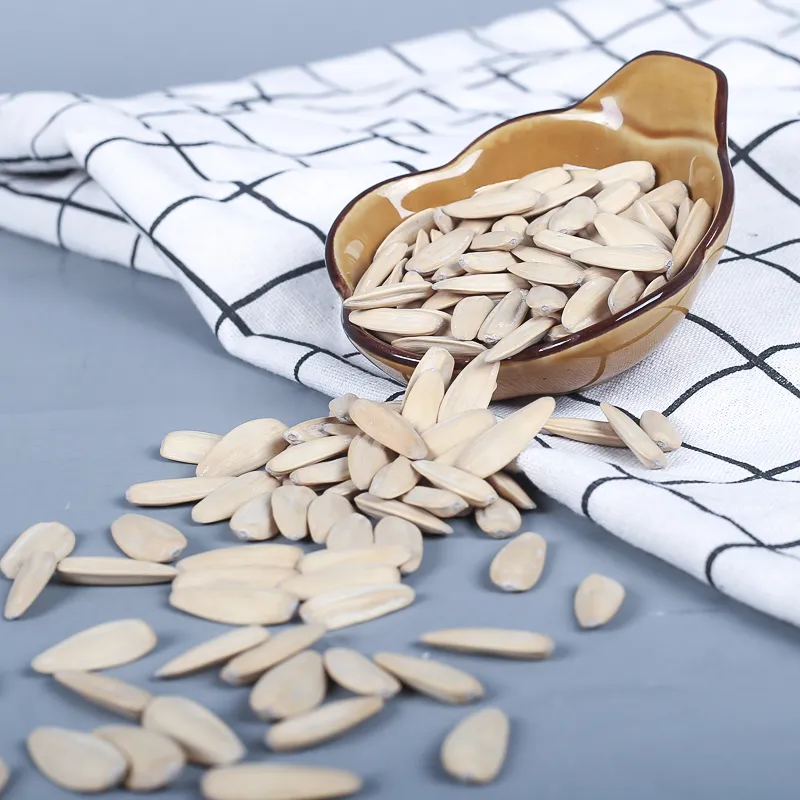
High quality sunflower seeds white, specifically those intended for human consumption and oil extraction, represent a critical component within the global agricultural commodity chain. Positioned between primary agricultural production and downstream food processing/industrial applications, these seeds are judged on parameters extending far beyond visual appearance. This guide provides an in-depth analysis of the material science, manufacturing processes, performance characteristics, potential failure modes, and industry standards governing these seeds. The core performance indicators are oil content, protein levels, fatty acid profile, germination rate (for seeds intended for further propagation), and freedom from contaminants. A primary industry pain point is ensuring consistent seed quality across varying growing conditions and mitigating the impact of mycotoxins and other harmful substances. Meeting stringent international food safety regulations is paramount. Maintaining genetic purity and minimizing the presence of foreign material are also significant challenges for producers and processors.
Material Science & Manufacturing
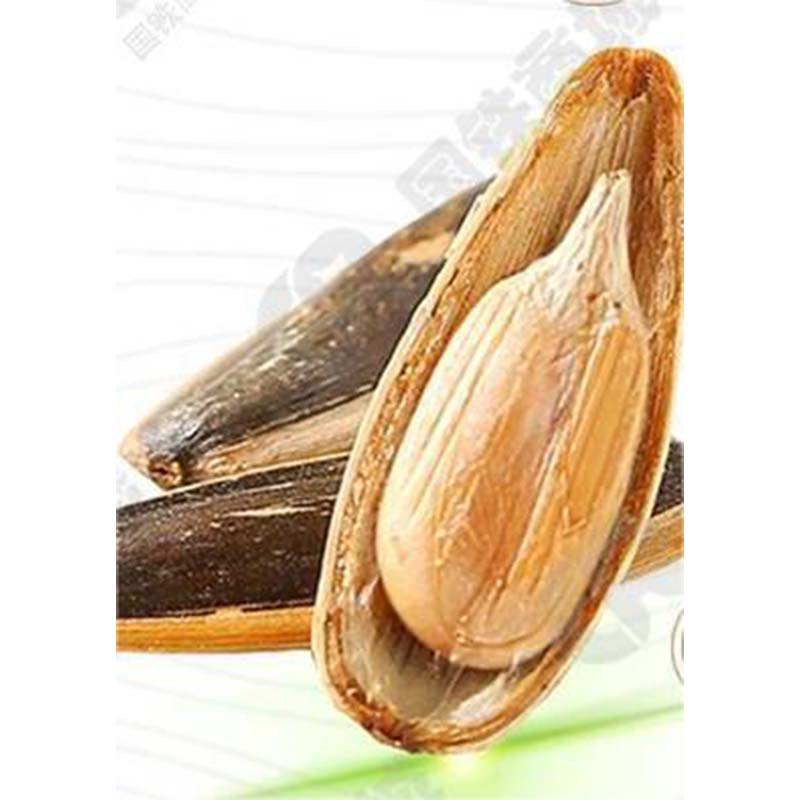
Sunflower seeds are biologically derived oleaginous material, fundamentally composed of a hull (pericarp), kernel, and embryo. The kernel constitutes the commercially valuable portion, primarily consisting of approximately 40-60% oil, 20-30% protein, and 10-20% carbohydrates. The oil is rich in linoleic acid (a polyunsaturated omega-6 fatty acid) and oleic acid (a monounsaturated fatty acid), the specific ratios influencing its suitability for various applications. Hull composition is predominantly cellulose and lignin, providing structural integrity. Manufacturing begins with agricultural practices – seed variety selection, soil management, fertilization, and pest control – directly impacting kernel size, oil content, and overall quality. Harvesting methods (mechanical vs. manual) and post-harvest drying processes are critical to prevent fungal growth and preserve seed viability. Drying typically occurs using forced-air systems, controlling temperature and humidity to avoid cracking or damaging the kernel. Dehulling is a crucial step, often employing mechanical abrasion or impact methods. Parameters such as impeller speed and impact force require careful calibration to minimize kernel damage and maximize recovery. Seed grading and sorting, utilizing screen separators and optical sorters, remove foreign material (stems, leaves, dirt, other seeds) and broken kernels. Finally, packaging in moisture-resistant materials (e.g., multi-layer polypropylene bags) is essential for maintaining seed quality during storage and transportation.
Performance & Engineering
The performance of sunflower seeds is evaluated through several key engineering metrics. Firstly, kernel hardness, measured using compression testing, dictates dehulling efficiency and resistance to mechanical damage during processing. A higher hardness generally indicates a more robust kernel. Secondly, oil extraction efficiency, typically assessed via solvent extraction (hexane is common) or mechanical pressing, is paramount. Factors influencing extraction efficiency include kernel structure, oil droplet size distribution, and cell wall permeability. Thirdly, the seeds’ susceptibility to lipid oxidation is critical for storage stability. This is quantified through rancidity tests, monitoring peroxide value (PV) and acid value (AV) over time. Antioxidants are often added during processing to mitigate oxidation. Environmental resistance factors include moisture content and temperature. High moisture content promotes fungal growth, leading to aflatoxin contamination (a serious food safety concern). Temperature fluctuations can induce stress cracking in the kernel. Compliance requirements center around food safety standards (e.g., HACCP, GMP) and regulations regarding pesticide residues (e.g., maximum residue limits – MRLs established by the EU and EPA). The bulk density and flowability of seeds are important considerations for storage and handling in industrial settings; poor flowability can lead to bridging and uneven discharge from silos.
Technical Specifications
| Parameter | Unit | Specification (High Quality White Sunflower Seeds) | Test Method |
|---|---|---|---|
| Oil Content (Dry Basis) | % | 48-58 | Soxhlet Extraction (AOCS Official Method Ja 5) |
| Protein Content (Dry Basis) | % | 18-28 | Kjeldahl Method (AOCS Official Method Ba 3) |
| Moisture Content | % | ≤9.0 | Oven Drying (AOCS Official Method Ca 14) |
| Foreign Matter | % | ≤1.0 | Visual Inspection and Sieving |
| Broken Kernels/Damaged | % | ≤3.0 | Visual Inspection and Sieving |
| Aflatoxin B1 | ppb | ≤20 | ELISA (Enzyme-Linked Immunosorbent Assay) |
Failure Mode & Maintenance
Sunflower seeds are susceptible to several failure modes impacting their quality and usability. Firstly, lipid oxidation, driven by exposure to oxygen, light, and heat, leads to rancidity and a decrease in nutritional value. This is a primary degradation pathway during storage. Secondly, fungal contamination, particularly by Aspergillus species, results in aflatoxin production. Proper drying and storage conditions are crucial to prevent this. Fatigue cracking of the kernel can occur during handling and processing, especially if the seeds are brittle due to low moisture content. Delamination, or separation of the kernel from the hull, reduces processing efficiency and can indicate physical damage. Insect infestation represents another failure mode, leading to seed loss and contamination. Maintenance strategies involve implementing rigorous quality control measures throughout the supply chain – from farm to processor. This includes regular monitoring for aflatoxins, controlling moisture levels, protecting seeds from light and oxygen (e.g., using opaque packaging, nitrogen flushing), and employing integrated pest management techniques. Proper storage facility sanitation and temperature control are also essential for preventing fungal growth and insect infestation. Regular inspections for damaged kernels and foreign matter are critical for identifying and removing compromised seeds.
Industry FAQ
Q: What are the critical factors influencing oil quality in sunflower seeds, and how are these monitored during processing?
A: Oil quality is primarily dictated by the fatty acid profile (linoleic vs. oleic acid ratio) and the presence of minor compounds like tocopherols (vitamin E) which act as natural antioxidants. These are influenced by seed genetics, growing conditions, and post-harvest handling. Monitoring involves gas chromatography (GC) for fatty acid analysis and spectrophotometry for tocopherol quantification. Peroxide value and acid value are routinely measured to assess oxidation levels.
Q: How can the risk of aflatoxin contamination be effectively minimized in sunflower seed production and storage?
A: Minimizing aflatoxin risk requires a multi-pronged approach. This includes selecting aflatoxin-resistant seed varieties, implementing proper harvesting and drying practices to reduce moisture content quickly, ensuring storage facilities are clean and well-ventilated, employing fungicides where appropriate (following regulatory guidelines), and regularly testing seed samples for aflatoxin B1 levels using ELISA or HPLC.
Q: What role does dehulling play in the overall quality of sunflower seeds destined for oil extraction?
A: Efficient dehulling is crucial. The hull contains inert fiber that reduces oil yield and can introduce undesirable compounds into the oil. Gentle dehulling minimizes kernel damage, preserving oil quality. Properly dehulled seeds result in higher oil extraction rates and a cleaner, more palatable oil product. Kernel damage can increase free fatty acids.
Q: What are the current industry trends in sunflower seed breeding focused on improving seed quality and yield?
A: Current breeding programs prioritize increasing oil content, enhancing fatty acid profiles (specifically increasing oleic acid content for improved stability), improving resistance to diseases and pests, and developing varieties with enhanced drought tolerance. Genetic modification techniques are also being explored to further enhance these traits, subject to regulatory approval.
Q: What are the implications of varying moisture content on the storage stability and processing characteristics of sunflower seeds?
A: High moisture content (above 9%) significantly accelerates fungal growth and aflatoxin production, drastically reducing storage life. It also impedes efficient dehulling and oil extraction. Low moisture content, while preventing fungal growth, can lead to kernel brittleness and increased breakage during processing. Maintaining optimal moisture content is therefore a critical control parameter.
Conclusion
The production of high quality sunflower seeds white requires a holistic understanding of the interplay between material science, agricultural practices, and processing techniques. Achieving consistent seed quality necessitates meticulous attention to detail at every stage, from seed selection and cultivation to harvesting, drying, dehulling, and storage. Addressing industry pain points, particularly those related to aflatoxin contamination, lipid oxidation, and maintaining genetic purity, is paramount for ensuring food safety and maximizing economic value.
Future advancements in sunflower seed technology will likely focus on developing more resilient varieties through genetic engineering, optimizing processing methods for improved oil extraction efficiency and quality, and implementing advanced monitoring systems for real-time assessment of seed quality throughout the supply chain. Continuous investment in research and development, coupled with strict adherence to international standards, will be crucial for sustaining the long-term viability and competitiveness of the sunflower seed industry.
