
Introduction
High quality sunflower seeds variety packs represent a sophisticated segment within the agricultural commodity market, focusing on maximizing genetic potential and delivering consistent seed performance. These packs aren’t merely a collection of seeds; they are curated assortments designed to optimize yields, enhance resistance to prevalent diseases and pests, and ultimately, improve profitability for agricultural operations. The technical position of these variety packs lies within the broader seed industry, acting as a critical interface between breeding programs and large-scale agricultural production. Core performance characteristics include germination rate, oil content (for oilseed varieties), protein content (for confectionary varieties), and tolerance to abiotic stresses like drought and heat. The industry currently faces challenges related to maintaining genetic purity, adapting to climate change, and meeting stringent quality standards for both domestic and international markets. The success of these variety packs hinges on a holistic understanding of agronomy, seed physiology, and quality control protocols.
Material Science & Manufacturing
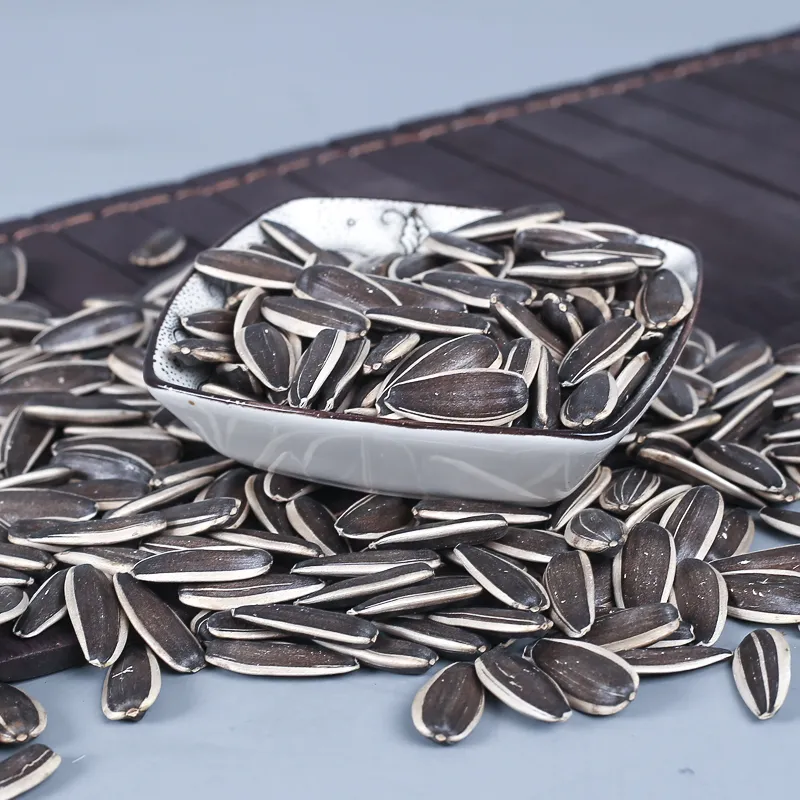
Sunflower seeds, Helianthus annuus, are comprised primarily of complex carbohydrates, proteins, lipids, and a relatively hard outer hull (pericarp). The pericarp composition, particularly lignin and cellulose content, dictates seed durability and resistance to cracking during handling and processing. Oil content, ranging from 38-58% depending on the variety, is a key determinant of economic value. The lipid profile consists mainly of linoleic acid (typically 60-70%), oleic acid (15-30%), and palmitic acid (4-8%). Manufacturing, in this context, refers to the processes of seed conditioning, drying, grading, and packaging. Seed drying is crucial, reducing moisture content from harvest levels (around 30%) to storage levels (8-10%) to prevent fungal growth and lipid peroxidation. Grading separates seeds based on size, weight, and physical integrity, utilizing sieves and air separators. Seed treatment, involving application of fungicides and insecticides, provides protection against soil-borne pathogens and insect pests. Packaging utilizes multi-layer films designed for moisture barrier protection and UV resistance. Precise temperature and humidity control during drying and storage are critical parameters to maintain seed viability. Seed quality is significantly impacted by the seed's physiological age, directly related to storage conditions and the speed of metabolic activity. The raw materials also include packaging polymers (polyethylene, polypropylene), fungicide/insecticide active ingredients, and seed coating polymers.
Performance & Engineering
Performance assessment of sunflower seed variety packs centers around quantifiable agronomic traits. Germination rate, measured under controlled laboratory conditions (temperature, humidity, light exposure), is a primary indicator of seed quality. Stress tolerance, specifically drought and heat resistance, is evaluated through controlled environment experiments and field trials, assessing physiological parameters like photosynthetic rate and water use efficiency. Resistance to common fungal pathogens (e.g., Sclerotinia sclerotiorum, Phomopsis helianthii) and insect pests (e.g., sunflower moth, Homoeotricha lienardiella) is determined through inoculation studies and field observations. Yield potential, expressed as kilograms per hectare, is the ultimate performance metric. Engineering considerations involve optimizing seed flow during planting, minimizing seed damage during handling, and ensuring uniform seed distribution within the field. Seed size and shape influence planter performance; inconsistent seed size can lead to skips or double planting. The packaging must withstand the rigors of transportation and storage, maintaining seed viability throughout the supply chain. Force analysis during harvesting and handling dictates the required seed coat strength. Compliance requirements necessitate adherence to national and international seed regulations regarding seed purity, germination standards, and pesticide residue limits.
Technical Specifications
| Variety | Oil Content (%) | Germination Rate (%) | Plant Height (cm) |
|---|---|---|---|
| Hybrid A (Oilseed) | 48-52 | 92-95 | 160-180 |
| Hybrid B (Confectionery) | 38-42 | 88-92 | 140-160 |
| Hybrid C (High Oleic) | 60-65 | 90-94 | 170-190 |
| Open Pollinated X | 40-45 | 85-90 | 150-170 |
| Hybrid D (Drought Tolerant) | 45-49 | 91-94 | 155-175 |
| Hybrid E (Disease Resistant) | 47-51 | 93-96 | 165-185 |
Failure Mode & Maintenance
Sunflower seed failure modes can be categorized as physiological, physical, and biological. Physiological failure includes loss of viability due to improper storage (high temperature, humidity), leading to reduced germination. Physical damage, such as cracking or chipping of the pericarp during handling, increases susceptibility to fungal infection and insect attack. Biological failure encompasses seed-borne diseases (e.g., Fusarium, Alternaria) and insect infestation. Lipid peroxidation, a chemical degradation process, reduces seed quality over time, particularly under conditions of high temperature and oxygen exposure. Maintenance strategies focus on optimal storage conditions: low temperature (4-10°C), low humidity (50-60%), and protection from light. Regular monitoring of seed moisture content is crucial. Seed treatment with fungicides and insecticides can prevent biological degradation. Implementing robust quality control measures throughout the supply chain, from harvest to packaging, minimizes physical damage. Proper ventilation in storage facilities prevents the build-up of moisture and heat. Failure analysis often involves germination testing, tetrazolium testing (to assess viability), and microscopic examination for fungal pathogens and insect damage. Predictive modeling of seed longevity based on storage conditions allows for proactive inventory management.
Industry FAQ
Q: What is the significance of oleic acid content in sunflower seeds, and how does it impact shelf life?
A: High oleic acid content (typically >70%) imparts greater oxidative stability to sunflower oil. This translates to a significantly longer shelf life, reducing rancidity and maintaining oil quality during storage and processing. High oleic sunflower oil is also preferred for high-temperature frying applications due to its resistance to polymerization and formation of harmful compounds.
Q: How does seed moisture content affect long-term storage viability?
A: Seed moisture content is paramount. Above 14%, the risk of fungal growth and seed respiration increases exponentially, leading to reduced germination and oil degradation. Optimal storage requires moisture content below 10%, ideally 8%. Desiccation and airtight storage are key to maintaining seed viability over extended periods.
Q: What are the common methods for identifying seed-borne diseases and assessing their impact?
A: Common methods include blotter tests, agar plate tests, and PCR-based assays to detect fungal pathogens. Visual inspection can reveal symptoms like discoloration or lesions. The impact is assessed by measuring germination rate, seedling vigor, and the incidence of disease in subsequent field trials. Regular seed health testing is crucial for preventing disease outbreaks.
Q: How do different packaging materials impact seed quality during storage?
A: Packaging materials must provide a moisture barrier, UV protection, and mechanical strength. Multi-layer films containing polyethylene and aluminum foil are commonly used. Permeability to oxygen and water vapor is a critical parameter. Proper sealing is essential to prevent moisture ingress. The packaging must also be resistant to tearing and puncture during handling.
Q: What is the role of seed treatment in mitigating risk and improving performance?
A: Seed treatment provides early-season protection against soil-borne pathogens and insect pests. Fungicides protect against damping-off, seedling blight, and root rot. Insecticides control early-season insect feeding. Polymer coatings can improve seed flowability and handling characteristics. The choice of seed treatment depends on the specific pest and disease pressures in the target growing region.
Conclusion
The production of high quality sunflower seed variety packs is a complex process demanding rigorous control over material science, manufacturing techniques, and agronomic performance. Maintaining genetic purity, optimizing seed physiology, and adhering to stringent quality standards are essential for delivering consistent yields and maximizing profitability for agricultural producers. The critical parameters discussed – oil content, germination rate, stress tolerance, and resistance to pests and diseases – all contribute to the overall value proposition of these specialized seed products.
Future advancements will likely focus on developing seed varieties with enhanced drought tolerance, improved nutrient use efficiency, and increased resistance to emerging pathogens. Precision seed treatment technologies and optimized packaging solutions will further enhance seed quality and longevity. A continued emphasis on sustainable agricultural practices and environmentally responsible seed production methods will be crucial for ensuring the long-term viability of the sunflower seed industry.
