Introduction
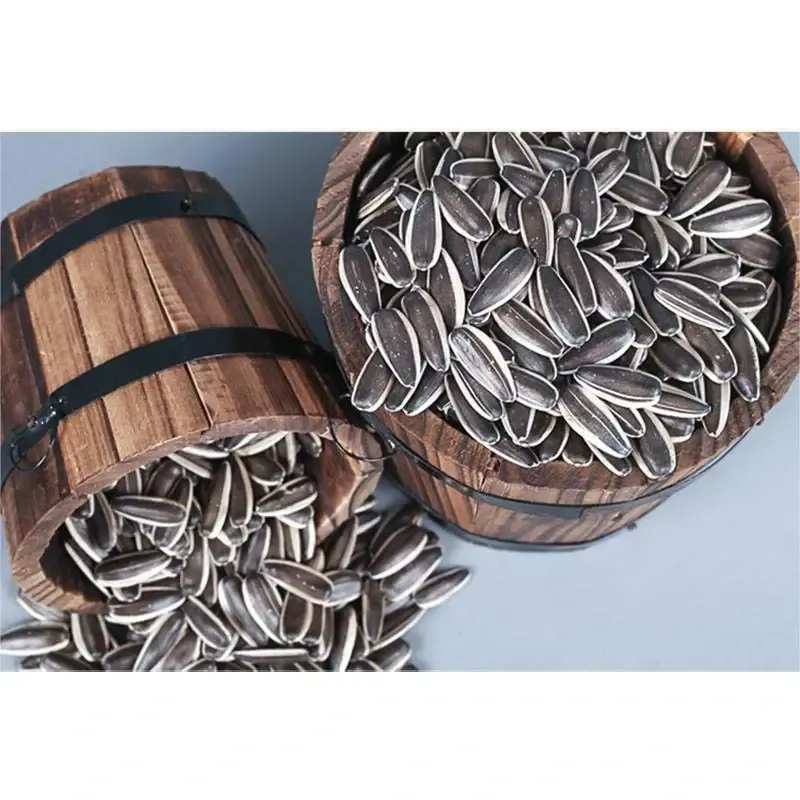
High quality unshelled sunflower seeds represent a significant commodity within the agricultural and food processing sectors. Positioned between primary agricultural production and consumer food products (and industrial applications like oil extraction), these seeds are evaluated based on kernel content, oil yield, protein content, and freedom from defects. This guide provides a detailed technical overview of unshelled sunflower seeds, encompassing material science, manufacturing considerations, performance characteristics, failure modes, and relevant industry standards. Core performance metrics include germination rate (for seed stock), oil content (for oilseed varieties), and physical integrity during handling and processing. A primary industry pain point revolves around maintaining consistent seed quality across varying growing conditions and minimizing damage during harvesting, drying, and storage, impacting both yield and downstream processing efficiency.
Material Science & Manufacturing
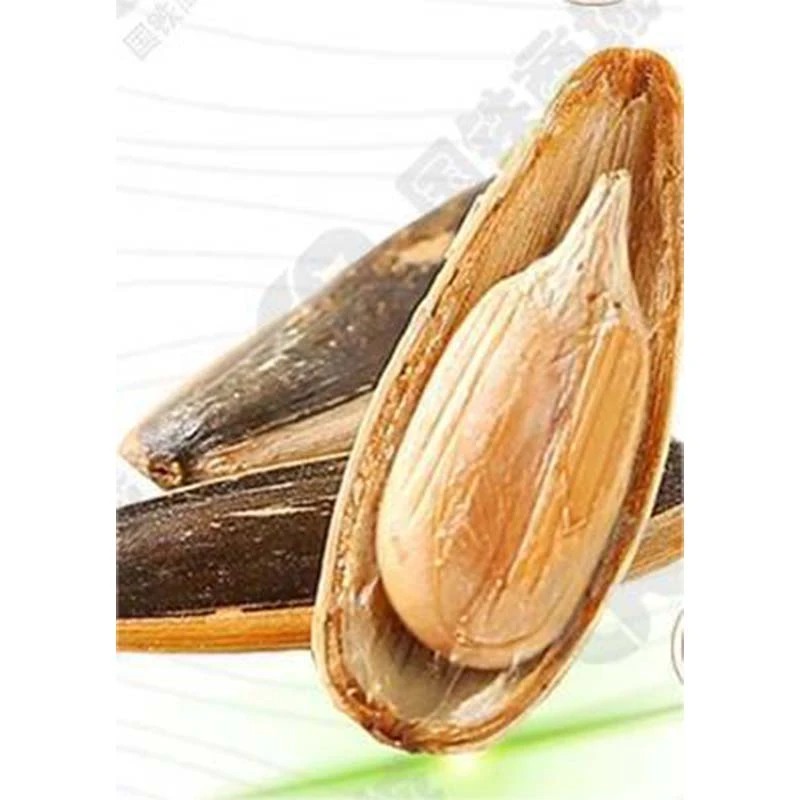
Sunflower seeds (Helianthus annuus) primarily consist of a seed coat (pericarp), kernel (cotyledon), and embryo. The pericarp’s composition is largely cellulose, hemicellulose, and lignin, providing structural rigidity. The kernel is rich in lipids (35-55% depending on the variety), proteins (18-25%), carbohydrates, and various micronutrients. Oil content varies significantly between oilseed and confectionery (snack) varieties. Manufacturing begins with agricultural cultivation, focusing on optimized soil conditions, irrigation, and pest control. Harvesting is critical; delayed harvesting leads to shattering and yield loss. Mechanical harvesting subjects seeds to impact and abrasion, potentially causing kernel damage. Post-harvest processing includes cleaning (removal of chaff, stems, and other debris), drying (to ~8-10% moisture content to inhibit mold growth and preserve oil quality), and sizing (separation based on seed size). Drying is typically achieved using forced-air systems, and temperature control is crucial to prevent denaturation of proteins and oxidation of lipids. Seed conditioning (polishing) can further improve appearance for confectionery applications. Parameter control during drying (temperature, airflow, duration) and mechanical handling (impact velocity, abrasion resistance of equipment) directly influence seed quality and longevity. Chemical compatibility is relevant in storage – seeds must be protected from moisture, oxygen, and pests, which can lead to rancidity and mycotoxin contamination.
Performance & Engineering
The performance of unshelled sunflower seeds is governed by several engineering principles. Kernel strength, measured by fracture resistance, is crucial for withstanding mechanical stresses during processing (dehulling, crushing, roasting). The pericarp provides a protective barrier against moisture ingress and physical damage. Moisture content directly impacts seed viability and storage life; excessive moisture leads to mold growth and lipid oxidation. A key performance metric is the oil extraction efficiency, dependent on seed variety, pre-treatment methods (flaking, cooking), and extraction technology (solvent extraction, mechanical pressing). The oil’s quality (acid value, peroxide value, color) is also a critical performance indicator. Environmental resistance is essential for seed storage; temperature and humidity control are paramount to prevent deterioration. Compliance requirements include adherence to food safety regulations (e.g., limits on mycotoxins, heavy metals) and labeling standards. Force analysis during handling and processing informs equipment design to minimize seed damage. Seed flowability is engineered through optimal seed shape and surface characteristics to prevent bridging and clogging in processing equipment. The thermal properties of the seed (specific heat, thermal conductivity) are important for drying and roasting processes.
Technical Specifications
| Parameter | Unit | Oilseed Variety | Confectionery Variety |
|---|---|---|---|
| Oil Content (Dry Basis) | % | 48-58 | 38-45 |
| Kernel Content | % | 60-75 | 65-80 |
| Moisture Content (at Harvest) | % | 8-12 | 8-12 |
| 1000-Seed Weight | g | 5-8 | 7-10 |
| Protein Content (Dry Basis) | % | 18-22 | 20-25 |
| Linoleic Acid Content (Oil) | % | 60-75 | 55-70 |
Failure Mode & Maintenance
Sunflower seeds are susceptible to several failure modes. Physical damage (cracking, chipping) during harvesting and processing reduces kernel quality and oil yield. Lipid oxidation leads to rancidity, resulting in off-flavors and decreased nutritional value. Mold growth, particularly by Aspergillus species, can produce mycotoxins (e.g., aflatoxins), posing a health hazard. Insect infestation causes direct damage to kernels and reduces seed viability. Storage-induced deterioration results from moisture absorption, temperature fluctuations, and prolonged storage duration. Fatigue cracking of the pericarp can occur due to repeated mechanical stress. Maintenance strategies include proper cleaning and drying of seeds, controlled storage conditions (low temperature, low humidity, pest control), and regular monitoring for signs of deterioration (mold growth, insect activity, rancidity). Implementing first-in, first-out (FIFO) inventory management minimizes storage duration. Equipment maintenance (harvesting combines, drying systems, processing machinery) is crucial to reduce physical damage and contamination. Preventative measures such as seed treatments with fungicides and insecticides can mitigate biological degradation. Periodic oil quality analysis (acid value, peroxide value) provides an early warning of lipid oxidation.
Industry FAQ
Q: What is the significance of the acid value in sunflower oil, and what does a high acid value indicate?
A: The acid value measures the amount of free fatty acids present in the oil. A high acid value indicates that the oil has undergone hydrolysis, either due to enzymatic activity or exposure to moisture and heat. This results in rancidity, reduced oil quality, and potential health concerns due to the formation of degradation products. It's a key indicator of oil deterioration during storage and processing.
Q: How does the pericarp structure influence the shelf life of unshelled sunflower seeds?
A: The pericarp acts as a primary barrier against moisture ingress and oxygen exposure. A thicker, more intact pericarp provides better protection, slowing down lipid oxidation and inhibiting mold growth. Cracks or damage to the pericarp significantly reduce the shelf life by increasing the rate of deterioration.
Q: What are the critical control points during the drying process to prevent seed damage?
A: Temperature control is paramount. Excessive temperatures can denature proteins and accelerate lipid oxidation. Airflow must be sufficient to remove moisture evenly without causing excessive abrasion. Monitoring seed temperature during drying is crucial to prevent overheating. Drying should be gradual to minimize stress on the seed.
Q: What are the regulatory limits for aflatoxin contamination in sunflower seeds, and how are they enforced?
A: Regulatory limits for aflatoxins vary by country, but typically range from a few parts per billion (ppb) to 20 ppb. Enforcement involves sampling and testing using techniques like ELISA or HPLC. Exceeding these limits results in rejection of the seed lot. Many countries require suppliers to provide certificates of analysis demonstrating compliance.
Q: How does the seed variety (oilseed vs. confectionery) impact the required handling and processing procedures?
A: Oilseed varieties are typically processed for oil extraction and require robust dehulling and crushing equipment. Confectionery varieties prioritize kernel integrity and appearance, necessitating gentler handling and processing methods to avoid damage. Moisture content control is even more critical for confectionery seeds to maintain texture and flavor.
Conclusion
The quality of unshelled sunflower seeds is a complex interplay of genetic factors, agricultural practices, and post-harvest processing. Maintaining optimal moisture content, minimizing physical damage, and preventing biological degradation are critical for preserving seed viability, oil yield, and overall quality. Understanding the material science of seed components and applying appropriate engineering principles to handling and storage are essential for optimizing performance throughout the supply chain.
Future advancements will likely focus on developing seed varieties with improved pericarp strength and resistance to stress, implementing more precise drying technologies, and utilizing non-destructive methods for quality assessment. Furthermore, enhanced traceability systems and adherence to stringent quality control standards will be crucial for ensuring a consistent and safe supply of high quality unshelled sunflower seeds to meet growing global demand.
