
Introduction
High quality unsalted sunflower seeds ( Helianthus annuus ) represent a significant segment within the broader edible seed market, positioned as a healthy snack and ingredient in various food applications. Their technical position lies at the intersection of agricultural processing, food safety regulations, and nutritional science. Unlike heavily processed snack seeds, unsalted varieties prioritize the natural flavor profile and inherent nutritional benefits. Core performance characteristics focus on kernel size, oil content, protein levels, moisture content, and freedom from defects (damage, foreign material, and microbial contamination). A key industry pain point revolves around maintaining consistent kernel quality and minimizing lipid oxidation during storage and distribution, influencing both taste and shelf life. This guide provides an in-depth examination of the science and engineering surrounding high quality unsalted sunflower seeds, addressing critical aspects from raw material sourcing to long-term storage and quality control.
Material Science & Manufacturing
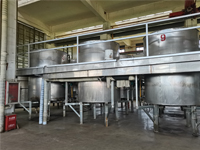
Sunflower seeds are comprised primarily of the kernel (the edible portion) and the hull (the protective outer layer). The kernel consists of approximately 40-55% oil, 20-25% protein, 15-20% carbohydrates, and 5-10% moisture. The oil is rich in linoleic acid, an essential omega-6 fatty acid. Hull composition includes cellulose, hemicellulose, and lignin. Manufacturing begins with seed selection, focusing on hybrid varieties bred for high kernel weight, oil content, and disease resistance. Harvesting occurs when the seed moisture content reaches approximately 18-20%. Subsequent drying is crucial, typically using forced air at controlled temperatures (40-50°C) to reduce moisture to 8-10% – a critical parameter for preventing fungal growth and lipid oxidation. De-hulling employs mechanical methods involving impact and friction. Kernel separation is achieved through air tables and screens, removing hulls and foreign material. Grading classifies seeds based on size and quality. A significant parameter in quality control is the acid value, measuring free fatty acids resulting from hydrolysis, indicating oil degradation. Cleaning further removes residual debris. Maintaining a controlled environment throughout processing minimizes contamination and preserves seed viability. Key parameter control includes monitoring temperature, humidity, airflow, and machine calibration to prevent kernel damage and optimize yield.
Performance & Engineering
The performance of sunflower seeds is intrinsically linked to their structural integrity and chemical composition. Force analysis during processing – particularly de-hulling and cracking – requires understanding kernel tensile strength and fracture toughness. Insufficient hulling can lead to increased consumer rejection, while excessive force causes kernel damage, increasing free fatty acid content. Environmental resistance, specifically to moisture and oxygen, dictates shelf life. Oxygen ingress promotes lipid oxidation, leading to rancidity and off-flavors. Moisture absorption increases microbial growth potential. Packaging materials therefore play a crucial role (see Material Science section regarding barrier properties). Compliance requirements adhere to food safety regulations set by organizations such as the FDA (USA), EFSA (Europe), and relevant national authorities. These regulations encompass limits on mycotoxin levels (aflatoxins, ochratoxins), pesticide residues, and heavy metal contamination. Functional implementation – the seed's ability to deliver a desirable eating experience – is affected by kernel size, texture (hardness), and flavor profile. Seed coatings, while uncommon in unsalted varieties, can be applied to enhance palatability or provide additional nutritional benefits, requiring careful assessment of coating material compatibility and regulatory compliance.
Technical Specifications
| Parameter | Unit | Specification (Grade A) | Testing Method |
|---|---|---|---|
| Kernel Moisture Content | % | 8.0 - 10.0 | Oven Drying (AOAC) |
| Oil Content (Dry Basis) | % | 48.0 - 55.0 | Soxhlet Extraction (AOCS) |
| Protein Content (Dry Basis) | % | 20.0 - 25.0 | Kjeldahl Method (AOAC) |
| Kernel Size (Screen Size) | mm | 12/64” – 14/64” (approx. 6.35-7.14mm) | Sieve Analysis (USDA) |
| Free Fatty Acid (FFA) | % (as oleic acid) | ≤ 0.5 | Titration (AOCS) |
| Broken Kernels & Foreign Material | % | ≤ 2.0 | Visual Inspection (USDA) |
Failure Mode & Maintenance
Failure modes in high quality unsalted sunflower seeds primarily relate to quality degradation during storage and handling. Lipid oxidation, driven by oxygen and accelerated by temperature, is a major concern, leading to rancidity and off-flavors. This manifests as a perceived deterioration in taste and aroma. Moisture absorption promotes microbial growth, particularly molds producing mycotoxins (aflatoxins). Physical damage (cracking, chipping) during processing or transport increases surface area exposed to oxygen and moisture, accelerating degradation. Delamination – separation of the kernel from the seed coat – indicates potential contamination and reduced quality. Preventive maintenance focuses on controlled storage conditions: low temperature (below 15°C), low humidity (below 60%), and protection from light. Packaging should utilize barrier materials with low oxygen transmission rates (OTR) and water vapor transmission rates (WVTR). Regular monitoring of FFA, peroxide value (another indicator of oxidation), and mycotoxin levels is crucial. First-in, first-out (FIFO) inventory management minimizes storage duration. For large-scale storage, controlled atmosphere storage (nitrogen flushing) can further reduce oxidation rates. Visual inspection for signs of mold or insect infestation is essential. Proper sanitation of processing equipment prevents contamination.
Industry FAQ
Q: What are the critical control points for mycotoxin contamination in sunflower seeds?
A: The critical control points begin with pre-harvest assessment of field conditions (drought stress increases susceptibility). Harvesting at optimal maturity and prompt drying to 8-10% moisture are crucial. Storage facility sanitation to prevent mold growth is essential. Regular sampling and testing for aflatoxins and ochratoxins using ELISA or HPLC methods are mandatory, as mandated by regulatory bodies. Proper handling and cleaning of seeds also minimizes contamination.
Q: How does the oil content affect the shelf life of unsalted sunflower seeds?
A: Higher oil content generally correlates with a shorter shelf life due to the increased susceptibility to lipid oxidation. The unsaturated fatty acid composition, particularly the linoleic acid content, also plays a role – higher linoleic acid content accelerates oxidation. Proper packaging to minimize oxygen exposure is paramount. Antioxidant addition (though less common in unsalted varieties) can also be considered.
Q: What is the significance of kernel size and uniformity?
A: Kernel size and uniformity impact processing efficiency (dehulling, cracking) and consumer acceptance. Consistent size facilitates efficient grading and packaging. Larger kernels generally have a higher oil content. Non-uniformity can lead to increased breakage and fines, lowering overall quality and yield. It also impacts the eating experience; consumers often prefer consistent kernel size.
Q: What packaging materials are best suited for maintaining the quality of unsalted sunflower seeds?
A: Packaging materials with excellent barrier properties are essential. Multi-layer films incorporating aluminum foil, metallized polyester, or EVOH (ethylene vinyl alcohol) provide superior protection against oxygen and moisture ingress. Vacuum packaging or modified atmosphere packaging (MAP) with nitrogen flushing further enhances shelf life. The material must also be food-grade and compliant with relevant regulations.
Q: How does the harvesting method impact the quality of the final product?
A: Harvesting method significantly influences seed quality. Direct combining can result in higher levels of foreign material and damaged kernels compared to a two-stage harvest involving swathing followed by combining. Careful combine adjustment to minimize impact and cracking is crucial. Timely harvesting at optimal maturity is also vital to prevent pre-harvest sprouting and increased moisture content.
Conclusion
High quality unsalted sunflower seeds require a multifaceted approach encompassing careful breeding, optimized agricultural practices, meticulous processing, and rigorous quality control. The primary technical challenge resides in mitigating lipid oxidation and preventing microbial contamination, both of which are significantly influenced by moisture content, oxygen exposure, and storage conditions. Maintaining consistent kernel quality—defined by oil content, protein levels, and physical integrity—is critical for meeting stringent food safety standards and delivering a desirable consumer experience.
Future advancements will likely focus on developing sunflower varieties with enhanced oxidative stability, employing novel packaging technologies with improved barrier properties, and implementing real-time monitoring systems for assessing seed quality throughout the supply chain. Continued adherence to international standards and best practices remains paramount for ensuring the production and distribution of consistently high-quality unsalted sunflower seeds.
