Introduction
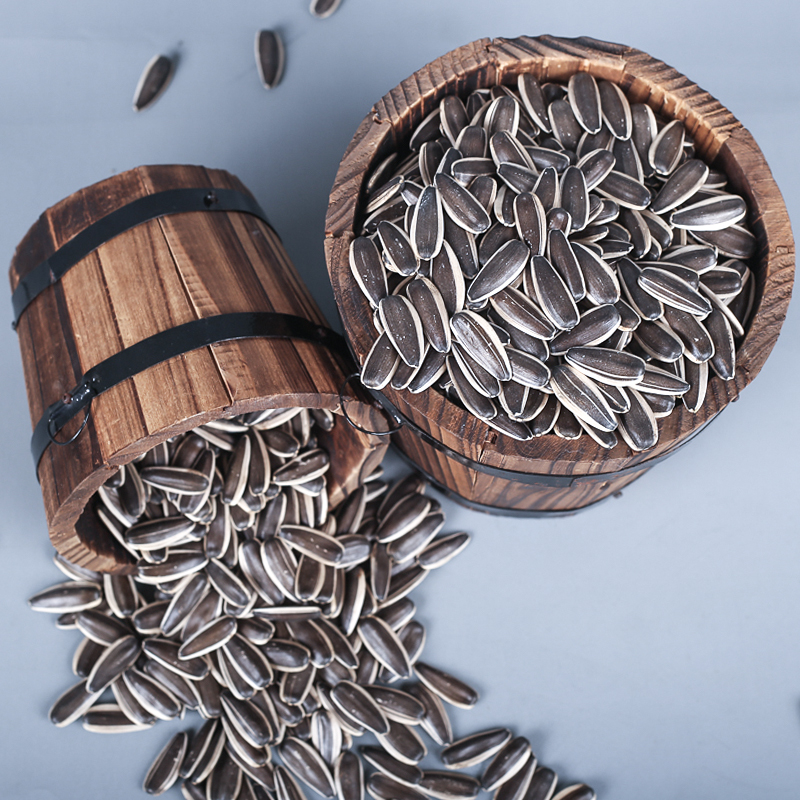
High quality sunflower seeds snack represents a significant segment within the processed seed industry, positioned between raw agricultural output and finished consumer packaged goods. These snacks, typically derived from Helianthus annuus cultivars specifically bred for seed production, undergo a series of processing steps including harvesting, drying, dehulling, grading, flavoring, and packaging. Their market position is driven by consumer demand for convenient, nutritious, and flavorful snacks. Core performance characteristics revolve around seed size, kernel fullness, oil content, flavor profile, shell integrity, and microbial safety. This technical guide will detail the material science, manufacturing processes, performance parameters, potential failure modes, and relevant industry standards governing the production of premium sunflower seed snacks, addressing critical considerations for manufacturers and quality control personnel.
Material Science & Manufacturing
The primary raw material, sunflower seeds, are composed of approximately 35-50% oil, 20-30% protein, 15-25% carbohydrate (primarily fiber), and 5-10% moisture. The oil is rich in linoleic acid, an essential fatty acid. The seed coat (hull) comprises cellulose, hemicellulose, and lignin, providing structural integrity but also requiring removal for snack consumption. Flavoring agents, commonly salt, spices, and coatings, introduce additional chemical compositions. Manufacturing commences with harvesting at optimal maturity – typically when the seed head is dry and the back of the head turns yellow-brown. Drying is critical, reducing moisture content to 8-10% to prevent mold growth and maintain seed quality. This is typically achieved through forced-air drying, controlling temperature (typically below 60°C) and airflow to minimize lipid oxidation. Dehulling is a mechanical process utilizing impact and friction to separate the kernel from the hull. This is a key process parameter, as excessive force can damage the kernel, impacting its appearance and flavor. Grading based on kernel size and visual quality follows. Flavoring is achieved through tumbling seeds with liquid or powdered seasoning blends, carefully controlling coating adherence and uniformity. Packaging, commonly in flexible films (metallized polypropylene or polyethylene) provides a barrier against oxygen and moisture, extending shelf life. Critical parameters in packaging include film permeability (OTR/WVTR) and seal integrity.
Performance & Engineering
Performance of sunflower seed snacks is governed by several engineering principles. Shelling force – the force required to detach the kernel from the hull – is a crucial parameter, directly affecting processing efficiency and kernel damage. Optimizing shelling force requires careful calibration of dehulling machinery. Moisture content impacts both texture and shelf life. Insufficient moisture leads to brittle seeds prone to breakage, while excessive moisture promotes microbial growth and rancidity. Flavor adhesion strength is critical; insufficient adhesion results in flavor loss, while excessive adhesion can create a sticky or clumpy product. Environmental resistance primarily concerns oxidation of the oil component. Antioxidants (e.g., Vitamin E, rosemary extract) are commonly added to mitigate oxidation. Compliance requirements include food safety regulations (HACCP, GMP) and labeling standards (nutritional information, allergen declarations). Impact resistance during handling and transportation is also a consideration, influencing packaging design and material selection. Furthermore, the snack's bulk density influences packaging efficiency and shipping costs.
Technical Specifications
| Parameter | Unit | Typical Value | Acceptable Range |
|---|---|---|---|
| Kernel Moisture Content | % | 8.5 | 7.0 - 10.0 |
| Oil Content (Dry Basis) | % | 48 | 45 - 52 |
| Kernel Size (Average) | mm | 10-12 | 8-14 |
| Shelling Percentage | % | 95 | 90-98 |
| Peroxide Value (Oil) | meq O2/kg | 2.0 | <5.0 |
| Aflatoxin Level | ppb | <4 | <20 (Regulatory Limit) |
Failure Mode & Maintenance
Sunflower seed snacks are susceptible to several failure modes. Rancidity, caused by lipid oxidation, leads to off-flavors and reduced nutritional value. This is accelerated by exposure to oxygen, light, and heat. Kernel breakage during processing or handling results in aesthetic defects and potential dust formation. Hulling damage can expose the kernel to contamination. Microbial contamination (molds, bacteria) poses a food safety risk, particularly if moisture content is not adequately controlled. Flavor adhesion failure leads to uneven flavor distribution and consumer dissatisfaction. Packaging failure (seal defects, punctures) compromises barrier properties, accelerating spoilage. Maintenance of processing equipment is critical to prevent these failures. Regular cleaning and lubrication of dehulling machinery minimizes kernel damage. Monitoring and control of drying temperatures and airflow prevent excessive moisture loss or microbial growth. Quality control checks for aflatoxin and other contaminants are essential. Proper storage of finished product (cool, dry, dark) minimizes rancidity. Implementing a robust preventative maintenance schedule for packaging equipment ensures seal integrity and prevents contamination. Periodic inspection for pest activity is also essential.
Industry FAQ
Q: What are the primary factors contributing to rancidity in sunflower seeds?
A: Rancidity is primarily driven by the oxidation of unsaturated fatty acids in the seed oil. This process is accelerated by exposure to oxygen, light, heat, and the presence of trace metals. Controlling these factors through proper drying, packaging (oxygen barrier films), storage conditions (cool, dark), and the addition of antioxidants (Vitamin E, rosemary extract) are crucial for preventing rancidity.
Q: How does kernel moisture content affect the snack's texture and shelf life?
A: Optimal kernel moisture content (around 8.5%) is vital. Too low a moisture content results in brittle, easily broken seeds. Too high a moisture content promotes microbial growth and accelerates rancidity. Proper drying and packaging are essential for maintaining the desired moisture level.
Q: What are the regulatory limits for aflatoxin in sunflower seeds, and how can they be met?
A: Regulatory limits for aflatoxin vary by region, but typically fall around 20 ppb. Meeting these limits requires sourcing seeds from regions with low aflatoxin prevalence, implementing rigorous quality control testing at all stages of processing, and employing proper storage practices to prevent mold growth. Utilizing pre-harvest agricultural practices to minimize mold formation is also crucial.
Q: What is the impact of the dehulling process on the quality of the final product?
A: The dehulling process significantly impacts quality. Excessive force during dehulling can cause kernel damage, leading to breakage and flavor loss. Incomplete dehulling leaves residual hull fragments, affecting texture and appearance. Optimizing dehulling parameters (impact force, friction) and employing gentle handling techniques are essential for maximizing kernel integrity.
Q: What types of packaging materials provide the best barrier properties for sunflower seed snacks?
A: Metallized polypropylene (MPP) and polyethylene (PE) films offer excellent oxygen and moisture barrier properties, essential for maintaining product freshness and preventing rancidity. The thickness of the metal layer and the polymer base material influence barrier performance. Proper sealing techniques are also critical to ensure package integrity.
Conclusion
The production of high quality sunflower seed snacks relies on a complex interplay of material science, precise manufacturing control, and rigorous quality assurance. Optimizing parameters across the entire process chain – from seed selection and drying to dehulling, flavoring, and packaging – is crucial for achieving desired performance characteristics such as flavor, texture, and shelf life. Understanding the potential failure modes and implementing effective preventative maintenance programs are equally important for ensuring product safety and minimizing waste.
Future trends in this sector will likely focus on enhanced flavor innovation, sustainable packaging solutions, and improved processing technologies to minimize energy consumption and reduce environmental impact. Continuous monitoring of industry standards and regulatory changes will be essential for maintaining compliance and ensuring consumer confidence. Furthermore, advancements in seed breeding to enhance oil content, kernel size, and disease resistance will contribute to the overall quality and profitability of sunflower seed snack production.
