Introduction
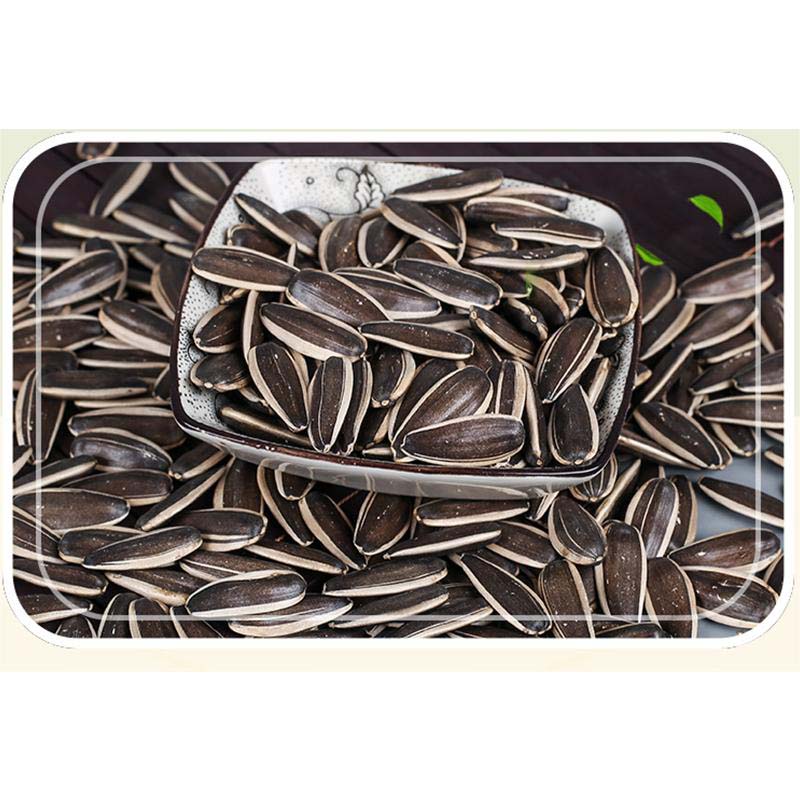
Shelled sunflower seeds represent a significant segment within the edible seed market, distinguished by their convenience and nutritional value. This technical guide provides a comprehensive analysis of high-quality shelled sunflower seeds, examining their production from agricultural practices through processing and quality control. Sunflower seeds ( Helianthus annuus ) are valued for their oil content, protein, vitamins, and minerals, making them a popular snack food and ingredient in various food products. The shelling process, while seemingly simple, is critical in maintaining seed integrity and minimizing damage that impacts flavor, shelf life, and consumer acceptance. This document will detail material science aspects of the seed itself, manufacturing processes for shelling, performance characteristics relevant to food safety and quality, potential failure modes during processing and storage, and relevant industry standards. The primary pain points in this industry center around consistent kernel quality, minimizing broken or damaged seeds during shelling, and preventing rancidity due to oxidation of the oil content.
Material Science & Manufacturing
Sunflower seed kernels are composed primarily of oil (40-55%), protein (20-25%), carbohydrates (15-20%), fiber, and trace minerals. The oil is rich in linoleic acid, an essential fatty acid. The seed coat, or hull, is composed of cellulose, hemicellulose, and lignin, providing structural rigidity. The quality of the seed is directly related to the cultivar, growing conditions (soil composition, climate), and harvesting techniques. Manufacturing begins with harvesting mature seeds, typically employing combine harvesters. These seeds undergo initial cleaning to remove debris, chaff, and foreign materials. The crucial step is shelling, which can be accomplished through mechanical methods employing impact, friction, or a combination thereof. Modern shelling machines utilize adjustable parameters – impact velocity, plate gap, and feed rate – to optimize kernel recovery and minimize damage. Parameter control is paramount. Excessive impact leads to kernel breakage, while insufficient force results in incomplete shelling. Following shelling, the kernels undergo further cleaning, grading (by size and density), and optical sorting to remove discolored or defective seeds. Drying is critical to reduce moisture content to below 8.5% to prevent microbial growth and rancidity. Drying processes utilize controlled temperature and airflow to avoid thermal damage to the oil. Finally, the seeds may be coated with seasonings or subjected to further processing, such as roasting.
Performance & Engineering
The performance of shelled sunflower seeds is evaluated based on several engineering principles. Firstly, impact resistance is critical – the ability of the kernel to withstand handling and transportation without fracturing. This is related to the material properties of the kernel itself (tensile strength, elasticity) and the design of packaging. Secondly, moisture content plays a pivotal role in shelf life. Water activity (Aw) is a key parameter; lowering Aw inhibits microbial growth and slows down oxidation. Engineering considerations include optimizing drying processes and employing moisture-barrier packaging materials. Thirdly, flowability is important for automated packaging and processing. Seed size and shape uniformity impact flowability; grading processes are designed to improve this characteristic. Compliance requirements are stringent, encompassing food safety regulations (FDA, EFSA), contaminant limits (heavy metals, pesticides), and labeling requirements. The seeds must meet specific standards for aflatoxin levels, a potent mycotoxin produced by Aspergillus molds. Packaging materials must comply with food contact regulations and provide adequate protection against moisture, oxygen, and light. Finally, the structural integrity of the kernel affects its resistance to thermal degradation during roasting and its overall textural quality.
Technical Specifications
| Parameter | Unit | Specification (High Quality) | Testing Method |
|---|---|---|---|
| Moisture Content | % | ≤ 8.5 | Oven Drying (AOAC) |
| Oil Content | % | ≥ 50 | Soxhlet Extraction (AOCS) |
| Broken Kernels | % | ≤ 3 | Visual Inspection / Sieve Analysis |
| Foreign Material | % | ≤ 0.5 | Visual Inspection |
| Aflatoxin B1 | ppb | ≤ 20 | HPLC (AOAC) |
| Peroxide Value (PV) | meq O2/kg | ≤ 5 | Titration (AOCS) |
Failure Mode & Maintenance
Failure modes in shelled sunflower seeds primarily relate to degradation of quality and safety. Rancidity, caused by oxidation of unsaturated fatty acids, is a common failure mode, leading to off-flavors and reduced nutritional value. This is accelerated by exposure to oxygen, light, and elevated temperatures. Kernel breakage during shelling and handling results in increased surface area, accelerating oxidation and leading to dust formation. Microbial contamination, particularly with molds producing aflatoxins, is a serious concern. This is favored by high moisture content and poor storage conditions. Physical damage, such as cracking or chipping, compromises the seed's structural integrity and affects its textural properties. Maintenance focuses on preventing these failures. Proper drying to reduce moisture content is essential. Packaging in moisture-barrier and oxygen-impermeable materials, such as metallized films, minimizes oxidation and microbial growth. Storage in cool, dark, and dry conditions further extends shelf life. Regular monitoring of peroxide value and aflatoxin levels provides early detection of quality deterioration. Shelling machinery requires regular maintenance, including calibration of impact forces and cleaning of processing surfaces, to minimize kernel damage. Implement a robust HACCP (Hazard Analysis and Critical Control Points) plan.
Industry FAQ
Q: What is the significance of the peroxide value (PV) in assessing sunflower seed quality?
A: The peroxide value (PV) is a primary indicator of lipid oxidation. It measures the amount of peroxides formed during the oxidation process. A higher PV indicates greater oxidation and a lower quality product. It’s a crucial parameter for monitoring rancidity and assessing the effectiveness of antioxidants or packaging strategies.
Q: How can aflatoxin contamination be effectively mitigated during sunflower seed processing?
A: Effective mitigation requires a multi-faceted approach. This includes sourcing seeds from regions with low aflatoxin prevalence, employing pre-harvest practices to minimize fungal growth, rigorous cleaning and grading to remove contaminated kernels, and implementing strict quality control measures throughout the entire processing chain. Proper drying and storage conditions are also vital.
Q: What role does the shelling process play in determining the final quality of the sunflower seeds?
A: The shelling process is arguably the most critical step. Improper shelling can lead to significant kernel damage – breakage, cracking, and dust formation – all of which compromise quality, accelerate oxidation, and increase the risk of contamination. Precisely controlled impact forces, plate gaps, and feed rates are essential for maximizing kernel recovery and minimizing damage.
Q: What are the optimal packaging materials for extending the shelf life of shelled sunflower seeds?
A: The optimal packaging materials are those that provide excellent barriers against moisture, oxygen, and light. Metallized films, multi-layer laminates with aluminum foil, and modified atmosphere packaging (MAP) are commonly used. The packaging should also be airtight to prevent oxidation and maintain product freshness.
Q: How important is seed variety selection in relation to shelf life and oil stability?
A: Seed variety selection is extremely important. Different cultivars exhibit varying levels of oil content, fatty acid composition (specifically, the ratio of linoleic to oleic acid), and antioxidant capacity. Cultivars with higher oleic acid content and natural antioxidants generally exhibit greater oxidative stability and longer shelf lives.
Conclusion
High-quality shelled sunflower seeds require a holistic approach encompassing careful cultivar selection, optimized agricultural practices, and precise processing techniques. Maintaining kernel integrity throughout the shelling process, coupled with effective moisture control and protective packaging, is critical for preserving freshness, preventing rancidity, and ensuring food safety. The interplay between material science – understanding the seed’s composition and properties – and engineering principles – optimizing processing parameters and storage conditions – is paramount.
Future developments will likely focus on improved shelling technologies that further minimize kernel damage, enhanced packaging materials with superior barrier properties, and advanced quality control methods for rapid and accurate detection of contaminants and oxidation markers. A continued emphasis on sustainable agricultural practices and traceability throughout the supply chain will also be vital for ensuring consumer confidence and long-term viability of the industry.
