Introduction
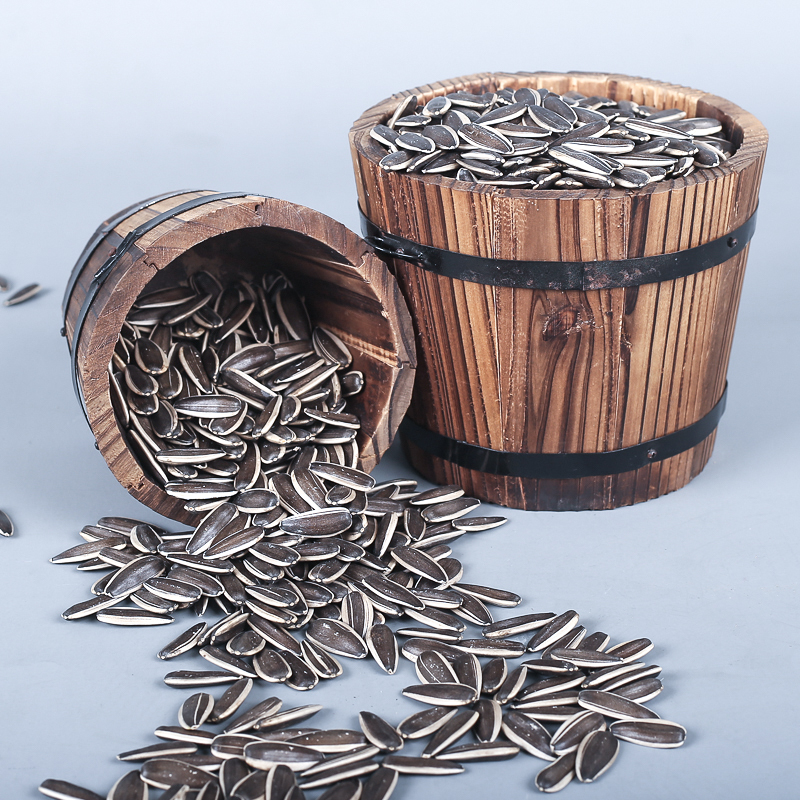
High quality roasted and salted sunflower seeds represent a significant segment of the snack food industry, bridging agricultural processing with sophisticated flavor technology. Positioned downstream from sunflower seed cultivation, the product relies heavily on seed quality, controlled roasting processes, and precise salt application for optimal palatability and shelf life. The core performance characteristics – encompassing flavor profile, texture (crunchiness), moisture content, and absence of defects – are critical determinants of consumer acceptance and market competitiveness. This guide provides an in-depth examination of the material science, manufacturing processes, performance parameters, failure modes, and relevant standards governing the production of premium roasted and salted sunflower seeds, intended for B2B stakeholders involved in ingredient sourcing, processing equipment design, and quality control.
Material Science & Manufacturing
The fundamental raw material is the sunflower seed (Helianthus annuus), specifically cultivars bred for high oil content (typically 40-50% by weight), large kernel size, and hull characteristics. Seed composition comprises protein (20-25%), carbohydrates (15-20%), fiber (5-10%), and various micronutrients. The oil profile is predominantly linoleic acid (omega-6) with smaller contributions from oleic acid (omega-9). Hull composition is primarily cellulose and lignin. Manufacturing initiates with seed cleaning and dehulling, employing mechanical abrasion and air separation techniques. Kernel moisture content is a crucial parameter, optimally between 8-10% for efficient roasting. Roasting, typically conducted in rotary or fluid bed roasters at temperatures between 280-320°F (138-160°C), drives Maillard reactions responsible for flavor development (nutty, roasted notes). Precise temperature control and residence time (15-30 minutes) are critical to prevent scorching and lipid oxidation. Following roasting, seeds are cooled rapidly to arrest the reaction and maintain crispness. Salt application is performed using dry or slurry salting methods, demanding uniform coating and adherence. Flavorings and coatings (e.g., spices, seasonings) are applied post-salting. Packaging utilizes materials with excellent moisture and oxygen barrier properties to extend shelf life.

Performance & Engineering
The mechanical strength of the roasted kernel dictates its resistance to breakage during handling and consumption. Force analysis reveals that the shell strength before roasting is significantly higher. Roasting reduces shell strength and introduces microfractures, contributing to desired crispness. Environmental resistance is paramount, particularly concerning moisture uptake, which leads to rancidity and loss of texture. The water activity (aw) must be maintained below 0.6 to inhibit microbial growth and lipid oxidation. Packaging selection plays a critical role in controlling aw. Compliance requirements include adherence to food safety regulations (e.g., HACCP), allergen labeling, and limits on acrylamide formation during roasting – a consequence of the Maillard reaction. Acrylamide levels are typically monitored and controlled via optimized roasting parameters and the use of reducing sugars. Shelf-life studies, conducted under accelerated aging conditions (elevated temperature and humidity), determine the product’s stability and predict expiration dates. The salt content must meet regulatory thresholds and be accurately declared on packaging. Furthermore, packaging integrity and barrier properties are critical for preventing oxygen ingress, which accelerates rancidity.
Technical Specifications
| Parameter | Unit | Typical Range (Premium Grade) | Test Method |
|---|---|---|---|
| Moisture Content | % (Weight) | 7.0 – 9.0 | AOAC 925.10 |
| Oil Content | % (Weight) | 48 – 52 | AOAC 920.85 |
| Salt Content | % (Weight) | 1.2 – 1.8 | AOAC 935.47 |
| Kernel Size (Average) | mm | 10 – 14 | Sieve Analysis |
| Broken Kernels (Maximum) | % (Weight) | 2.0 | Visual Inspection |
| Water Activity (aw) | Unitless | < 0.60 | Water Activity Meter |
Failure Mode & Maintenance
Common failure modes include rancidity (due to lipid oxidation), loss of crispness (moisture absorption), and development of off-flavors. Rancidity is exacerbated by exposure to oxygen, light, and elevated temperatures; preventive measures involve nitrogen flushing of packaging and the addition of antioxidants (e.g., vitamin E, BHA/BHT – subject to regulatory limits). Loss of crispness is mitigated by utilizing high-barrier packaging materials and maintaining low humidity storage conditions. Microbial contamination, while less frequent due to the low aw, can occur if packaging is compromised. Kernel cracking during processing or handling leads to increased broken kernel content, reducing product appeal. Maintenance of roasting equipment involves regular cleaning to prevent buildup of seed debris and carbon deposits, which can contribute to off-flavors. Calibration of temperature sensors and control systems is critical for consistent roasting profiles. Storage of raw materials and finished products must adhere to FIFO (First-In, First-Out) principles to minimize staling and rancidity. Regular quality control checks, including sensory evaluation and chemical analysis (e.g., peroxide value to assess rancidity), are essential.
Industry FAQ
Q: What is the impact of sunflower seed variety on the final roasted product quality?
A: Sunflower seed variety significantly influences oil content, kernel size, and hull characteristics. Higher oil content varieties generally yield a more flavorful and texturally desirable product. Kernel size impacts the overall eating experience. Hull characteristics affect the efficiency of the dehulling process and the potential for hull fragments to remain in the finished product. Selecting cultivars specifically bred for roasting is crucial.
Q: How can acrylamide formation during roasting be minimized?
A: Acrylamide formation is a function of roasting temperature, time, and the availability of reducing sugars. Optimizing roasting parameters – reducing temperature and time while maintaining adequate flavor development – is the primary mitigation strategy. Employing pre-treatment methods to reduce reducing sugar content is also possible, though may impact flavor profile. Precise temperature control is critical.
Q: What are the key considerations for packaging material selection?
A: Packaging must provide excellent barrier properties against moisture and oxygen to prevent rancidity and loss of crispness. Materials such as metallized polypropylene, aluminum foil laminates, and high-density polyethylene are commonly used. The material must also be food-grade and compliant with relevant regulations. Seal integrity is paramount.
Q: What are the implications of different salting methods (dry vs. slurry)?
A: Dry salting typically results in less uniform salt distribution and potential for dust formation. Slurry salting provides more consistent coating but can introduce moisture, requiring a longer drying step. The choice depends on desired salt adherence, process efficiency, and equipment capabilities. Careful control of salt concentration and application rate is critical in both methods.
Q: How is the shelf life of roasted sunflower seeds determined, and what factors affect it?
A: Shelf life is determined through accelerated aging studies conducted under controlled temperature and humidity conditions. Rancidity development (measured by peroxide value) and sensory evaluation are key indicators of product degradation. Factors affecting shelf life include initial moisture content, oil content, packaging permeability, storage temperature, and the presence of antioxidants.
Conclusion
The production of high-quality roasted and salted sunflower seeds demands a meticulous approach encompassing careful seed selection, precise process control, and appropriate packaging. Understanding the interplay between material science, engineering principles, and regulatory compliance is essential for consistently delivering a product that meets consumer expectations for flavor, texture, and safety. Optimizing roasting parameters to minimize acrylamide formation while maximizing flavor development represents a significant ongoing challenge.
Future advancements in roasting technology, such as the implementation of real-time monitoring and control systems based on near-infrared spectroscopy, hold the potential to further enhance product quality and process efficiency. Continued research into novel antioxidant formulations and packaging materials will contribute to extended shelf life and reduced reliance on synthetic additives. Ultimately, a holistic approach integrating scientific understanding with practical implementation is crucial for success in this competitive market.
