Introduction
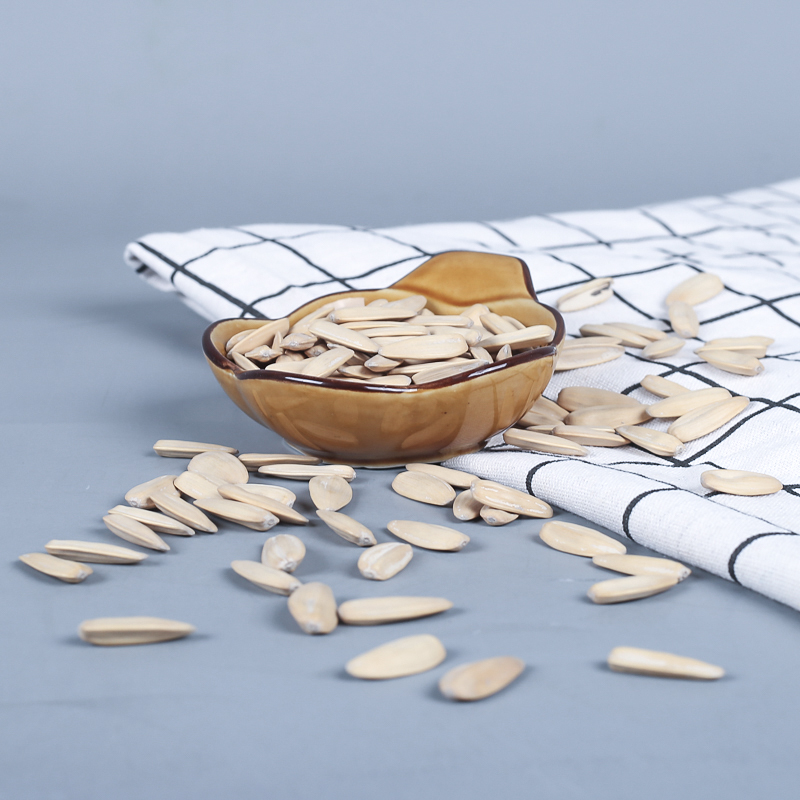
Roasted sunflower seeds represent a significant segment within the snack food industry, demanding stringent quality control from seed selection through to final packaging. Their technical position lies at the intersection of agricultural product processing, food chemistry, and packaging technology. This guide details the critical parameters governing the production of high-quality roasted sunflower seeds, encompassing botanical sourcing, processing methodologies, quality assurance metrics, and potential degradation pathways. Core performance attributes include consistent kernel size, optimized moisture content for palatability and shelf-life, minimal free fatty acid content to prevent rancidity, and a visually appealing color profile indicative of uniform roasting. The industry faces challenges related to aflatoxin contamination, acrylamide formation during roasting, and maintaining a consistent flavor profile across production batches, all of which are addressed herein.
Material Science & Manufacturing
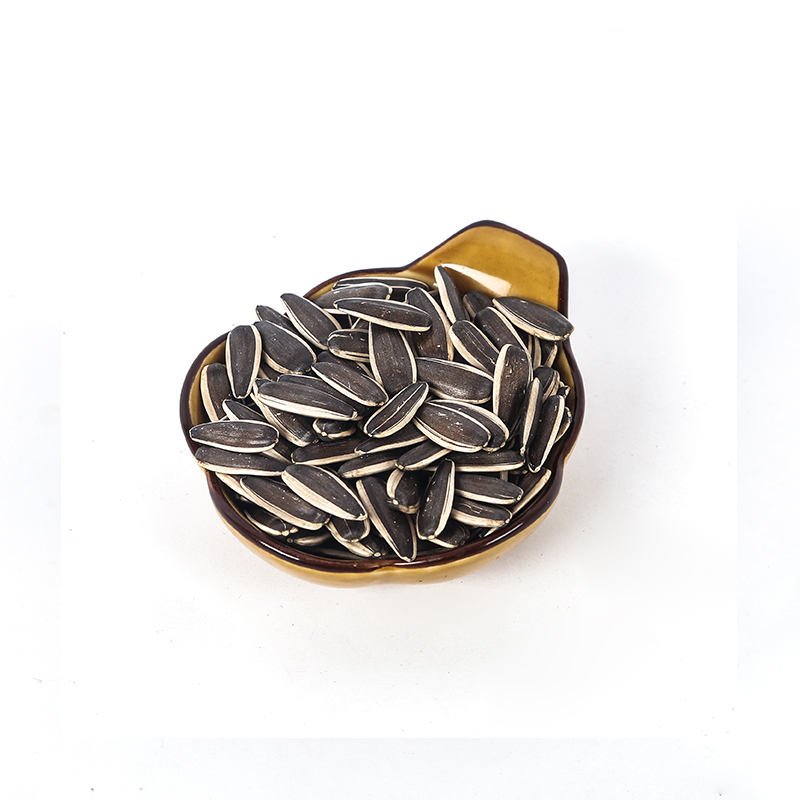
High-quality roasted sunflower seeds originate from Helianthus annuus, specifically cultivars bred for large kernel size, high oil content (40-55% by weight), and low hull percentage. The raw seeds contain approximately 6-14% moisture, 20-25% protein, and 30-40% carbohydrates in addition to the oil. Manufacturing commences with seed cleaning, removing debris, and grading based on size and density. Roasting is the critical process step, typically conducted in rotating drum roasters or fluidized bed roasters. Temperature control is paramount; generally, seeds are exposed to temperatures between 140-170°C (284-338°F) for 20-40 minutes. Precise temperature regulation minimizes acrylamide formation, a potential carcinogen. Moisture content is reduced to approximately 2-4% during roasting, inhibiting microbial growth and enhancing crispness. Following roasting, seeds may be seasoned with salt or other flavorings, requiring precise dosing and homogenous distribution. Finally, seeds are cooled and packaged in airtight containers to prevent moisture reabsorption and oxidation. Parameter control includes monitoring seed moisture content before roasting, drum rotation speed (for uniform heat distribution), air temperature and flow rate, and final seed moisture content. Chemical compatibility of seasoning agents with the seed oil is also crucial to avoid off-flavors or accelerated rancidity.
Performance & Engineering
The structural integrity of the roasted kernel is critical for consumer acceptance. Force analysis reveals that a desirable roasted kernel exhibits a brittle fracture profile under compression, indicating optimal moisture reduction and structural modification during roasting. Environmental resistance focuses primarily on barrier properties of the packaging material, which must protect against moisture ingress and oxygen permeation. Compliance requirements include adherence to food safety regulations established by bodies like the FDA (USA), EFSA (Europe), and equivalent organizations globally. Specifically, limits on aflatoxin contamination (typically <20 ppb) and heavy metal content are rigorously enforced. The Maillard reaction, responsible for the characteristic roasted flavor and color, is an engineering aspect requiring control to achieve a consistent product. The heat transfer process during roasting follows Fourier’s Law of Heat Conduction, demanding careful calibration of roasting parameters to ensure even heating throughout the kernel. Finite element analysis can be employed to optimize drum roaster design and airflow patterns for maximized efficiency and minimized temperature gradients. Furthermore, packaging design considers oxygen transmission rate (OTR) and water vapor transmission rate (WVTR) to maintain product freshness and prevent lipid oxidation.
Technical Specifications
| Parameter | Unit | Specification | Test Method |
|---|---|---|---|
| Moisture Content (Raw Seed) | % w/w | 8-12 | AOAC 925.10 |
| Oil Content | % w/w (dry basis) | 45-55 | Soxhlet Extraction (AOAC 920.39) |
| Kernel Size (Average) | mm | 10-14 | Sieve Analysis |
| Moisture Content (Roasted Seed) | % w/w | 2-4 | Karl Fischer Titration (AOAC 925.10) |
| Free Fatty Acid Content | % as oleic acid | <0.5 | Titration with KOH (AOAC 920.12) |
| Aflatoxin B1 Level | ppb | <20 | HPLC with Fluorescence Detection (AOAC 991.31) |
Failure Mode & Maintenance
Failure modes in roasted sunflower seeds primarily relate to quality degradation. Rancidity, caused by lipid oxidation, is a common failure mode resulting in off-flavors and reduced consumer acceptance. This is accelerated by exposure to oxygen, light, and elevated temperatures. Fatigue cracking of the kernel can occur during handling, particularly if the seeds are under-roasted or excessively brittle. Aflatoxin contamination represents a safety failure mode, arising from fungal growth on the seeds before or during processing. Delamination, or separation of the kernel from the hull, indicates improper roasting or excessive handling. Maintenance of roasting equipment is crucial; regular cleaning of drum roasters prevents buildup of seed residue and minimizes the risk of cross-contamination. Monitoring and calibration of temperature sensors ensures accurate roasting profiles. Proper storage of raw and roasted seeds, in cool, dry, and dark environments, minimizes oxidation and fungal growth. Preventative maintenance schedules for packaging equipment, including seal integrity checks, are essential to maintain barrier properties and prevent moisture ingress. A robust HACCP plan, incorporating critical control points throughout the process, is vital for mitigating these failure modes.
Industry FAQ
Q: What is the optimal roasting profile to minimize acrylamide formation while achieving a desirable color and flavor?
A: The optimal roasting profile involves a relatively lower roasting temperature (140-160°C) combined with a shorter roasting time. Careful monitoring of seed moisture content during roasting is crucial, aiming for a final moisture content of 2-3%. Utilizing a fluidized bed roaster allows for more uniform heating and reduced acrylamide formation compared to traditional drum roasters. Pre-treating seeds with ascorbic acid or calcium chloride has also been shown to reduce acrylamide levels.
Q: How can we ensure consistently low aflatoxin levels in our sunflower seeds?
A: Implementing a rigorous supplier qualification program, including regular testing of incoming raw materials for aflatoxin contamination, is paramount. Proper drying of the seeds after harvest is critical, as fungal growth is favored by high moisture content. Storage of raw seeds in airtight containers under controlled temperature and humidity conditions further minimizes the risk. Regular cleaning and sanitation of processing equipment prevent cross-contamination.
Q: What packaging materials provide the best barrier properties for extending the shelf-life of roasted sunflower seeds?
A: Multi-layer films consisting of polyethylene terephthalate (PET), aluminum foil, and polyethylene (PE) offer excellent barrier properties against oxygen, moisture, and light. Metallized films provide a cost-effective alternative, although their barrier performance is slightly lower. Utilizing a nitrogen flush during packaging further minimizes oxygen levels and extends shelf-life. The selection should also consider sealability and printability.
Q: What is the impact of different seasoning agents on the shelf-life and flavor stability of roasted sunflower seeds?
A: Highly hygroscopic seasoning agents, such as sugar, can accelerate moisture absorption and lead to stickiness. The acidity of seasoning agents can also influence the rate of lipid oxidation. Chelating agents, such as EDTA, can be added to seasonings to inhibit metal-catalyzed oxidation. Thorough mixing of seasonings with the seeds ensures uniform flavor distribution and prevents localized degradation.
Q: How do we determine the optimal endpoint for the roasting process to achieve consistent kernel texture and flavor?
A: Measuring seed temperature during roasting is essential. The target internal kernel temperature is typically between 120-130°C. Sensory evaluation, involving trained panelists, is crucial for assessing flavor development and identifying any off-flavors. Monitoring the water activity (Aw) of the roasted seeds provides an objective measure of their dryness and stability. Consistent kernel color, assessed visually or using colorimeters, also indicates a consistent roasting endpoint.
Conclusion
The production of high-quality roasted sunflower seeds is a complex process requiring precise control over multiple parameters, from raw material sourcing to final packaging. Maintaining optimal moisture content, minimizing lipid oxidation, and preventing aflatoxin contamination are critical challenges. The implementation of robust quality control measures, coupled with a thorough understanding of the underlying scientific principles – encompassing heat transfer, food chemistry, and material science – is essential for achieving a consistently superior product.
Future advancements in roasting technology will likely focus on optimizing energy efficiency, reducing acrylamide formation, and improving flavor control. The application of real-time monitoring systems and predictive modeling will enable manufacturers to dynamically adjust roasting parameters based on seed characteristics and environmental conditions. Continued research into innovative packaging materials with enhanced barrier properties will further extend shelf-life and maintain product freshness.
