Introduction
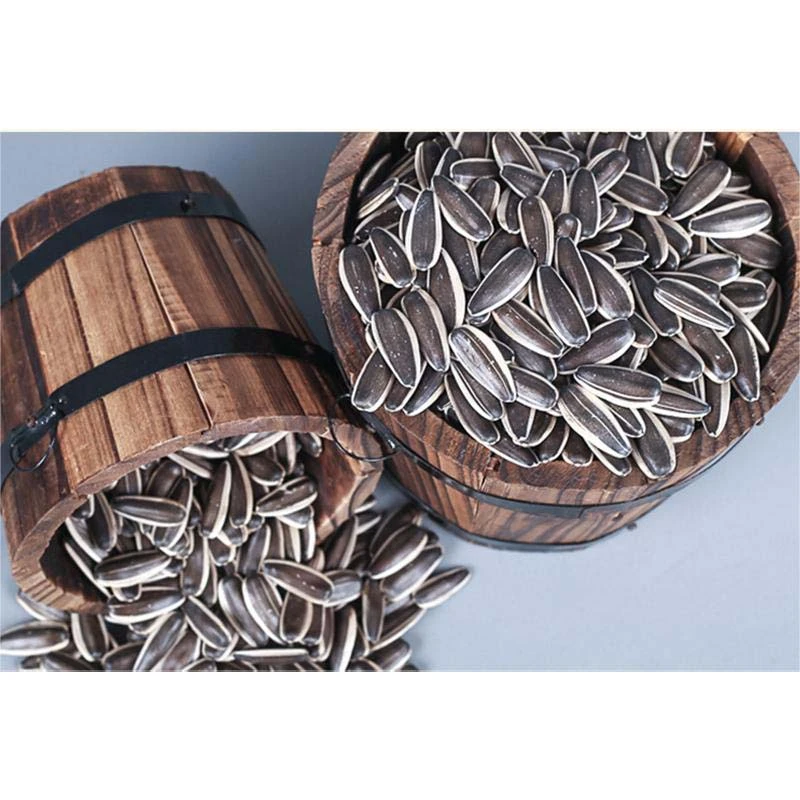
Sunflower seeds, Helianthus annuus, represent a significant commodity within the global food industry, categorized as oilseeds due to their high lipid content. These seeds, and the resulting snack products, occupy a specific niche in the convenience food market, demanding stringent quality control from sourcing to final processing. This technical guide details the scientific principles governing the production of high-quality sunflower seed-based snacks, encompassing raw material characteristics, manufacturing processes, performance considerations, potential failure modes, and relevant industry standards. The core performance attributes center around palatability (flavor profile, texture), nutritional value (fatty acid composition, protein content), and shelf stability (resistance to rancidity, microbial growth). The industry faces challenges regarding acrylamide formation during roasting, maintaining consistent flavor profiles across batches, and ensuring compliance with allergen regulations. Sunflower seeds are positioned between agricultural commodity processing and finished consumer snack production, impacting the entire supply chain.
Material Science & Manufacturing
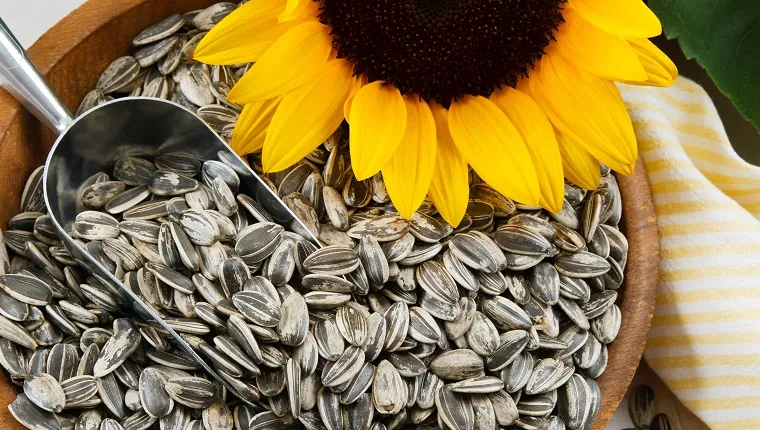
Sunflower seeds primarily comprise lipids (40-50%), proteins (20-25%), carbohydrates (15-20%), and fiber (5-10%). Lipid composition is critical, with linoleic acid (an omega-6 fatty acid) being the predominant fatty acid. Seed shell (hull) composition is cellulose and lignin, impacting dehulling efficiency. Raw material selection focuses on kernel size, oil content (measured by NMR), and moisture content (typically 8-10%). Manufacturing typically involves cleaning, dehulling, kernel grading (by size and density), roasting, flavoring, and packaging. Roasting, often performed using fluid bed roasters, is a critical parameter control point. Roast temperature (140-180°C) and duration influence flavor development (Maillard reaction) and acrylamide formation. Flavoring applications utilize dry blending or oil-based coating processes. Dehulling is achieved via mechanical abrasion; efficient hull removal is crucial for palatability. Critical parameters include abrasion disc gap, feed rate, and aspiration system performance. Kernel damage during dehulling impacts oil oxidation rates. Packaging utilizes multi-layer films (typically PET/PE or OPP/PE) to provide barrier properties against oxygen and moisture, critical for shelf life.
Performance & Engineering
The structural integrity of the roasted kernel is paramount for preventing breakage during handling and consumption. Force analysis, specifically compression testing, determines kernel fracture strength, which correlates to roasting parameters and kernel moisture content. Environmental resistance primarily concerns oxidation stability. The Rancimat method (ASTM D3802) measures oxidative stability, quantifying induction time. Packaging material OTR (Oxygen Transmission Rate) directly impacts oxidation rates. Compliance requirements encompass food safety regulations (FDA, EFSA) regarding permissible acrylamide levels, heavy metal contamination (lead, cadmium), and allergen labeling. Flavor adhesion and retention are governed by surface tension and viscosity of coating oils. The geometry of the kernel influences coating uniformity. Furthermore, moisture migration within the package must be controlled to prevent clumping and maintain texture. Thermal engineering plays a key role in optimizing roasting processes to minimize acrylamide formation while maximizing flavor development. Finite element analysis can model heat transfer within the kernel during roasting.
Technical Specifications
| Parameter | Unit | Specification (Standard Grade) | Specification (Premium Grade) |
|---|---|---|---|
| Kernel Moisture Content | % | ≤ 8.0 | ≤ 7.0 |
| Oil Content (Dry Basis) | % | ≥ 48.0 | ≥ 50.0 |
| Kernel Size (Screen Size) | mm | 12/14 mesh | 14/16 mesh |
| Free Fatty Acid (FFA) | % | ≤ 0.5 | ≤ 0.3 |
| Peroxide Value | meq O2/kg | ≤ 5.0 | ≤ 3.0 |
| Acrylamide Content | µg/kg | ≤ 150 | ≤ 100 |
Failure Mode & Maintenance
Common failure modes include rancidity (oxidative degradation of lipids, leading to off-flavors), kernel breakage (resulting from excessive roasting or mechanical stress), flavor loss (due to volatile compound evaporation or improper packaging), and microbial contamination (leading to spoilage). Rancidity is mitigated through the use of antioxidants (e.g., Vitamin E, TBHQ) and oxygen-barrier packaging. Kernel breakage is minimized by controlling roasting parameters and implementing gentle handling procedures. Flavor loss is addressed by utilizing appropriate packaging materials and hermetic sealing. Microbial contamination is prevented through rigorous hygiene practices and quality control throughout the manufacturing process. Maintenance of roasting equipment is crucial to ensure consistent temperature distribution and prevent localized overheating. Regular cleaning of dehulling equipment prevents build-up of seed debris, which can harbor microorganisms. Routine inspections of packaging seals are necessary to maintain barrier integrity. Shelf life studies, employing accelerated aging tests (elevated temperature and humidity), are essential for predicting product stability and determining appropriate “best before” dates. Failure analysis often involves GC-MS analysis for volatile compounds, peroxide value determination for oxidation levels, and microbial plating for contamination assessment.
Industry FAQ
Q: What are the key factors influencing acrylamide formation during sunflower seed roasting?
A: Acrylamide formation is primarily influenced by roasting temperature, time, and moisture content. Higher temperatures and longer roasting times increase acrylamide levels. Lower initial moisture content also promotes acrylamide formation. Optimizing roasting parameters (reducing temperature and time, increasing initial moisture) and potentially using acrylamide-reducing additives can mitigate this issue.
Q: How do different packaging materials affect the shelf life of roasted sunflower seeds?
A: Packaging materials with low OTR and WVTR (Water Vapor Transmission Rate) are crucial for extending shelf life. Multi-layer films, incorporating materials like PET and PE, provide superior barrier properties compared to single-layer films. Vacuum packaging or modified atmosphere packaging (MAP) further enhances shelf life by reducing oxygen exposure.
Q: What quality control measures are essential for ensuring consistent flavor profiles?
A: Consistent raw material sourcing, precise control of roasting parameters (temperature, time, airflow), accurate flavoring application, and regular sensory evaluation are essential. Batch-to-batch variability in raw materials necessitates adjustments to roasting profiles. Flavor retention testing should be performed periodically.
Q: What is the impact of kernel damage during dehulling on product quality?
A: Kernel damage increases surface area, accelerating oxidation and flavor loss. Damaged kernels are also more susceptible to microbial contamination. Optimizing dehulling parameters (disc gap, feed rate) and implementing gentle handling procedures minimize kernel damage.
Q: What are the relevant regulatory requirements concerning allergen labeling for flavored sunflower seeds?
A: All flavored sunflower seeds must comply with food allergen labeling regulations (e.g., FALCPA in the US, Annex II of Regulation (EU) No 1169/2011 in Europe). This includes declaring the presence of any major food allergens (e.g., peanuts, tree nuts, soy, wheat) used in flavoring ingredients, even if present in trace amounts.
Conclusion
The production of high-quality sunflower seed-based snacks is a complex interplay of material science, engineering principles, and stringent quality control. Optimizing roasting parameters to balance flavor development with acrylamide mitigation, selecting appropriate packaging materials to ensure shelf stability, and implementing robust quality control measures throughout the manufacturing process are all critical for success. Maintaining consistent kernel quality through careful sourcing and controlled dehulling procedures is equally important.
Future trends will likely focus on developing novel flavoring systems, utilizing advanced packaging technologies (e.g., active packaging with oxygen absorbers), and exploring sustainable sourcing practices. Further research into the mechanisms of acrylamide formation and the optimization of roasting processes will be crucial for meeting increasingly stringent regulatory requirements. The integration of real-time process monitoring and control systems will also enhance product consistency and efficiency.
